

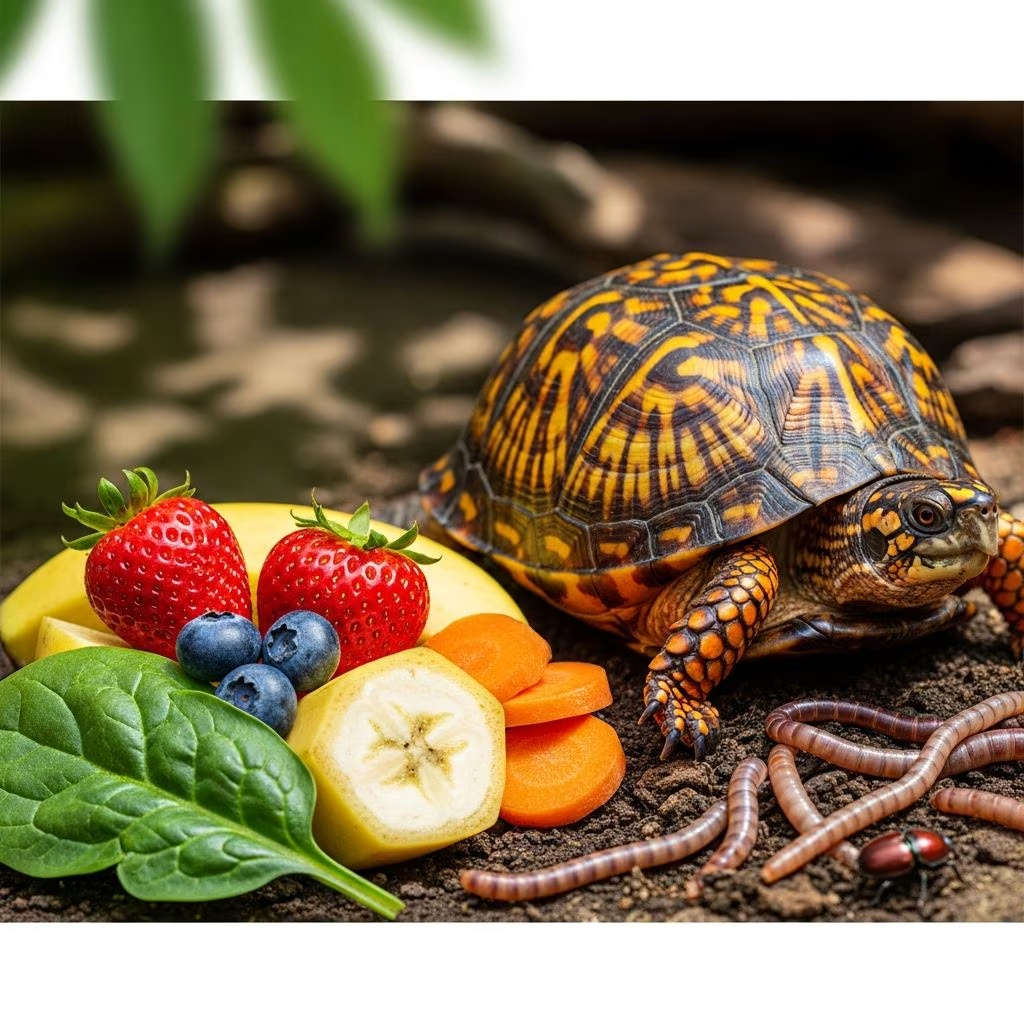
What Do Box Turtles Eat? A Comprehensive Feeding Guide
Box turtles are omnivorous reptiles that require a well-balanced diet combining both animal-based and plant-based foods to thrive in captivity. Understanding their nutritional needs is essential for maintaining the health and longevity of your pet box turtle. Unlike many other reptile species, box turtles need a diverse diet that closely mimics what they would consume in their natural habitat.
A proper box turtle diet should consist of approximately 50% plant-based material and 50% animal-based material, though this ratio may vary slightly depending on the specific breed of box turtle and individual preferences. The key to successful box turtle care is providing a wide variety of healthy items from both food categories to ensure balanced nutrition and prevent dietary deficiencies.
Key Components of a Box Turtle Diet
There are several essential components that should be included in your box turtle’s daily meals to ensure optimal health and nutrition:
Animal Proteins
Animal proteins are crucial for box turtles, particularly for young, growing animals. These protein sources should closely reflect the natural insects that would be part of their diet in the wild. Live prey offers the most nutritional value and provides enrichment through natural hunting behavior, though captive-bred insects are safer than wild-caught specimens due to potential pesticide contamination.
The most common animal protein sources for pet box turtles include earthworms, crickets, and mealworms. Other acceptable options include snails, slugs, night crawlers, and commercially available reptile pellets. It’s important to note that dog food and cat food are poor nutritional sources for box turtles, as they are high in fat and contain excessive phosphorus, making them unsuitable for regular feeding.
Vegetables
Vegetables represent another essential component of a box turtle diet and should comprise a significant portion of their plant-based food intake. Dark, leafy greens should make up the largest part of the vegetable portion, as they provide essential fiber, moisture, calcium, vitamin A, and other critical nutrients. The vegetable portion of a box turtle’s diet should make up 80-90% of all plant-based foods offered, and can include most vegetables commonly available at grocery stores.
High-quality vegetable options for box turtles include collard greens, beet greens, mustard greens, broccoli, turnip greens, alfalfa hay, bok choy, kale, parsley, Swiss chard, watercress, clover, red or green cabbage, cilantro, and dandelion greens. Yellow, red, and orange vegetables can also be included in the diet. Lesser portions can include cactus, various squash varieties, sprouts, cooked sweet potato, parsnips, okra, cucumber, asparagus, mushrooms, carrots, peas, and corn.
Important Vegetable Considerations
When selecting vegetables for your box turtle, it’s crucial to avoid iceberg lettuce and celery, as these greens are composed mainly of fiber and water with poor nutritional content. The inner, light-colored parts of vegetables are less nutritious than the darker green outer leaves, so it’s better to offer the outer leaves whenever possible.
Some vegetables should be fed sparingly or with caution. Swiss chard, spinach, and beet greens should be limited, as they contain oxalates that can bind to calcium and other trace minerals, preventing these nutrients from being absorbed in the turtle’s intestinal tract. Diets composed primarily of these vegetables can ultimately lead to nutrient deficiencies. Additionally, be cautious when feeding cabbage, kale, or mustard greens, as these contain goitrogens, which are chemicals that may lead to hypothyroidism in box turtles.
Fruits for Box Turtles
While box turtles enjoy fruits, the fruit portion of their diet should only make up 10-20% of their plant-based food offerings. Fruits are high in sugar and are overall less nutritious than vegetables, so they should be fed in small amounts and in moderation, similar to treats. Box turtles often prefer fruit to vegetables due to their naturally sweet taste, which is why limiting fruit intake helps prevent overeating and maintains dietary balance.
Recommended Fruits
Acceptable fruits for box turtles include apples, pears, bananas with skin, mango, grapes, star fruit, raisins, peaches, tomato, guava, kiwis, melons, blueberries, raspberries, strawberries, and cantaloupe. Particularly healthy fruit choices include figs, which are high in calcium, as well as apricots, dates, raspberries, and strawberries. Vegetables and fruits can be offered cooked or raw, although raw is generally more nutritious since cooking can destroy many valuable nutrients.
Food Preparation and Safety
Thoroughly wash all fruits and vegetables before feeding them to your turtle to remove any pesticides or contaminants. Vegetables should be finely chopped into bite-size pieces to assist young box turtles in eating, though adult box turtles should be able to break down and eat full-size items. Additionally, provide food for your box turtle in a separate tank or on a feeding platform within their normal habitat to maintain cleanliness.
Edible Flowers for Box Turtles
As an occasional treat, flowers may also be offered to box turtles. Safe flower options include geraniums, carnations, dandelions, hibiscus, nasturtiums, and roses. These flowers can be home-grown or purchased from floral shops. Some floral shops offer older, wilting flowers at reduced costs for pet food purposes. Be absolutely certain that no chemicals have been applied to the flowers or water before offering them to your turtle.
How Often Should Box Turtles Eat?
Feeding frequency depends on the age of your box turtle. Young box turtles should eat every day to support their growth and development. Adult box turtles, by contrast, may eat every other day, as their nutritional needs are different from juvenile turtles. Most young turtles eat daily, while mature, adult box turtles have different feeding schedules. Box turtles tend to prefer early morning feedings, so adjusting your feeding schedule to accommodate this natural preference can help encourage proper eating habits.
Nutritional Supplementation
Like most reptiles, box turtles require more dietary calcium than phosphorus. Most veterinarians recommend lightly sprinkling vegetable matter with a calcium powder, specifically calcium gluconate, lactate, or carbonate, two to three times per week. Additionally, a light sprinkling of a multivitamin-mineral powder made for reptiles is recommended weekly. The best way to ensure reptiles consume these supplements is to dust them onto small portions of their vegetables and feed those dusted portions first, ensuring maximum consumption.
There are many appropriate commercially available gut-loaded diets, and several insect diets can be prepared at home. Important components should include vegetables high in vitamin A, calcium powder, and a multivitamin. In a perfect setup, insects would be fed for three days prior to being fed to your box turtle, ensuring they have adequate nutrition to pass on to your pet.
Hydration for Box Turtles
In addition to proper feeding, hydration is critical for box turtle health. One way to keep your box turtle hydrated is by providing scheduled baths once a week for 15 minutes, in water at a temperature of 85-95 degrees Fahrenheit. You can also leave a water dish in your turtle’s cage that’s deep enough for them to soak in, but not so deep that the water is over your turtle’s head. This water should be changed daily to maintain cleanliness and prevent bacterial growth. Some experts recommend providing additional hydration by soaking greens and vegetables before offering them to your turtle.
Feeding Best Practices
To ensure your box turtle receives optimal nutrition and maintains good health, follow these essential feeding practices:
- Provide food in a separate tank or on a feeding platform within their normal habitat to maintain cleanliness
- Wash all fruits and vegetables before feeding to remove pesticides and contaminants
- Finely chop vegetables into bite-size pieces for young box turtles
- Vary the diet regularly to prevent boredom and ensure comprehensive nutrient intake
- Feed young box turtles daily and adults every other day
- Dust food with calcium powder 2-3 times per week
- Apply multivitamin powder weekly
- Limit fruit intake to no more than 10-20% of plant-based foods
- Avoid feeding wild-caught insects due to pesticide risks
- Provide weekly soaking baths for hydration
Foods to Avoid
Certain foods should never be fed to box turtles due to their poor nutritional value or potential toxicity. Dog food and cat food are particularly problematic, as they contain excessive fat and phosphorus levels unsuitable for turtle digestion. Iceberg lettuce and celery should be avoided due to their minimal nutritional content. Wild-caught insects are not recommended, as they may carry pesticides and insecticides that can be toxic to turtles. Additionally, ensure that no chemicals have been applied to any flowers or produce before feeding them to your pet.
Frequently Asked Questions About Box Turtle Feeding
Q: What is the ideal diet ratio for box turtles?
A: The ideal diet should consist of approximately 50% plant-based material and 50% animal-based material. Of the plant-based foods, vegetables should make up 80-90% and fruits only 10-20%.
Q: Can box turtles eat spinach and Swiss chard?
A: While these vegetables can be offered, they should be fed sparingly as they contain oxalates that bind to calcium and prevent nutrient absorption. Diets composed primarily of these vegetables can lead to nutrient deficiencies.
Q: How often should I supplement my box turtle’s food with vitamins?
A: Use calcium powder 2-3 times per week and apply a multivitamin-mineral powder weekly. Dust these supplements onto small portions of vegetables and feed those portions first.
Q: Are commercially available reptile pellets good for box turtles?
A: Yes, commercially available reptile pellets are an excellent protein source for box turtles and can be included as part of their regular diet.
Q: How should I prepare vegetables for my box turtle?
A: Thoroughly wash all vegetables before feeding. Finely chop them into bite-size pieces for young turtles, though adults can eat full-size items. Raw vegetables are more nutritious than cooked ones.
Q: What type of calcium supplement is best for box turtles?
A: Calcium gluconate, lactate, or carbonate are all appropriate choices. Apply these as a light sprinkling on your turtle’s food according to your veterinarian’s specific instructions.
Q: Can box turtles eat commercially raised insects?
A: Yes, commercially raised insects from pet stores or reptile breeders are safer than wild-caught insects. Ideally, gut-load them with vegetables high in vitamin A for 3 days before feeding them to your turtle.
Consulting With a Veterinarian
There are many different opinions about exactly what box turtles should eat to maintain a nutritionally balanced diet. Different breeds of box turtles may have slightly different nutritional needs. For these reasons, it’s advisable to speak with a veterinarian familiar with box turtles to determine specifically what to feed your individual pet. A reptile veterinarian can assess your turtle’s specific health needs and recommend dietary adjustments based on age, health status, and individual preferences.
References
- Turtles – Box – Feeding — VCA Animal Hospitals. Accessed 2025. https://vcahospitals.com/know-your-pet/turtles-box-feeding
- Box Turtle Care — California Turtle & Tortoise Club. Accessed 2025. https://www.tortoise.org/general/boxcare.html
- Reptile Care Information — Association of Reptilian and Amphibian Veterinarians. Professional standards for reptile nutrition and supplementation. Accessed 2025.



