

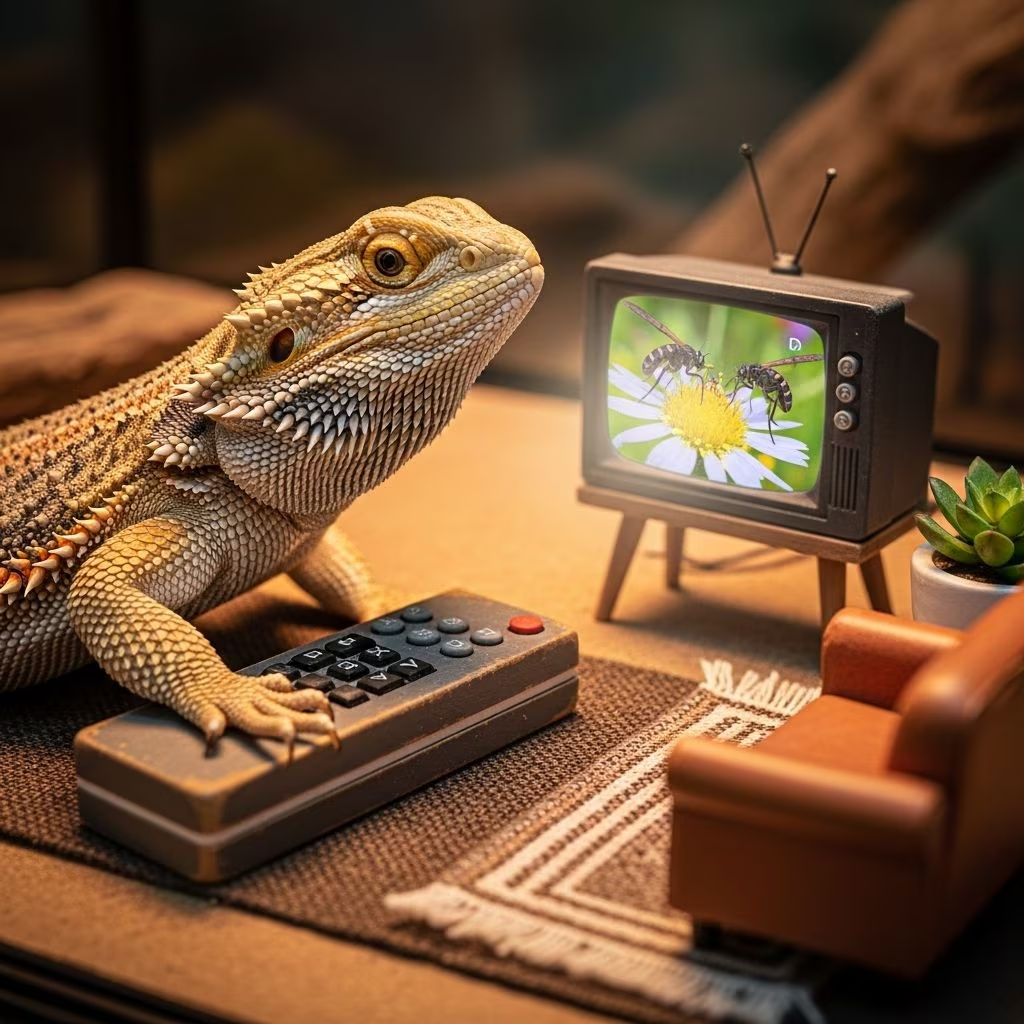
What Do Bearded Dragons Like Watching?
Bearded dragons are among the most interactive and engaging reptile pets available to enthusiasts today. Unlike many other reptile species, beardies demonstrate curiosity about their surroundings and show genuine interest in observing their environment. This natural inquisitiveness makes them fascinating pets that can provide hours of entertainment for their owners. Understanding what bearded dragons like to watch and how they interact with visual stimuli can greatly enhance your pet’s quality of life and strengthen your bond with them.
Many bearded dragon owners are surprised to discover that their scaly companions have distinct preferences when it comes to visual entertainment. Whether it’s the movement of insects, changes in their environment, or even the glow of a television screen, bearded dragons engage with visual stimuli in ways that reflect their wild instincts and their adaptation to captivity. Learning about these preferences helps pet owners create a more enriching habitat and better understand their dragon’s behavior and needs.
Natural Viewing Behaviors in Bearded Dragons
In their native Australian habitats, bearded dragons are naturally alert creatures that spend considerable time surveying their surroundings. This watchful behavior is deeply ingrained in their evolutionary biology and serves multiple purposes in the wild. Understanding these natural behaviors provides insight into what captures a bearded dragon’s attention in captivity.
Hunting and Feeding Behaviors
One of the primary reasons bearded dragons watch their environment is to locate food sources. In the wild, they are opportunistic hunters that consume insects, small reptiles, and vegetation. The movement of prey items triggers their predatory instincts, and they will intently observe and track movement before striking. This hunting behavior remains strong in captive bearded dragons, which is why they often become mesmerized by moving insects in their terrarium. The act of watching helps them locate, stalk, and prepare to capture their meals, making feeding time one of the most engaging visual experiences for your pet.
Territorial Awareness and Vigilance
Bearded dragons are territorial animals that maintain awareness of their surroundings as a survival mechanism. In the wild, this vigilance helps them detect potential threats and competitors. In captivity, this behavior translates to watching their tank environment, observing their owners, and monitoring any changes in their habitat. Your bearded dragon may watch you move around the room, track your hand as you approach the tank, or observe other household pets. This territorial vigilance is a normal and healthy behavior that demonstrates your dragon is alert and engaged with their environment.
What Specifically Captures Bearded Dragon Attention
Bearded dragons have specific visual preferences that trigger their interest and engagement. Understanding these preferences allows owners to provide appropriate enrichment and entertainment options.
Moving Insects and Live Prey
Nothing captures a bearded dragon’s attention quite like the movement of live insects. Whether it’s crickets, dubia roaches, mealworms, or grasshoppers, the unpredictable movement of living prey creates an irresistible visual stimulus. Your bearded dragon will watch intently, following every movement with their eyes and head, displaying the focused concentration of a skilled hunter. This type of visual engagement is not only entertaining for your pet but also provides important mental stimulation and exercise.
Movement and Motion
Bearded dragons are highly attuned to movement in general. Any sudden or sustained motion in their visual field will likely capture their attention. This includes the movement of their owners, other pets, objects being placed in their tank, or even the flickering of light and shadow. This sensitivity to motion is an evolutionary adaptation that helps wild bearded dragons detect both prey and predators. In a home setting, this means your bearded dragon will likely watch as you walk past their tank, observe as you rearrange decorations, or follow your finger as you point at something in their environment.
Color and Contrast
Research into reptile vision suggests that bearded dragons can see colors, and they appear to be attracted to certain hues. Bright colors and high-contrast objects tend to capture their attention more readily than muted or neutral tones. This is why many bearded dragon owners notice their pets watching brightly colored enrichment items, food dishes, or decorations more intently than less visually distinctive elements of their environment.
Bearded Dragons and Television Viewing
One of the most surprising discoveries many bearded dragon owners make is that their pets seem to enjoy watching television. This behavior has become something of a phenomenon in the reptile-keeping community, and it’s rooted in legitimate biological reasons.
Why Bearded Dragons Watch TV
Bearded dragons are drawn to television screens for several reasons. The movement, color changes, and light variations on screen provide visual stimulation that engages their attention. Many bearded dragon owners report that their pets will watch television programs, particularly those featuring animals, insects, or nature scenes with lots of movement. The flickering light and rapid scene changes mimic the type of visual complexity they would encounter in their natural environment, providing mental enrichment and preventing boredom.
Creating a Comfortable TV Watching Experience
If your bearded dragon shows interest in watching television, you can create a comfortable viewing environment by positioning their tank where they can see the screen at a reasonable distance. Ensure that the brightness of the screen doesn’t create glare in their tank or disrupt their day-night cycle. Consider watching nature documentaries or programs featuring animals and insects, as these tend to hold bearded dragons’ attention longer than other content. However, it’s important to remember that television watching should be supplementary enrichment and not a replacement for natural light, proper heating, or interactive engagement with their owners.
Environmental Enrichment Through Visual Stimulation
Beyond natural prey and television, owners can provide various forms of visual enrichment to keep their bearded dragons engaged and mentally stimulated.
Tank Decorations and Layouts
Creating a visually interesting and varied terrarium environment encourages your bearded dragon to watch and explore. Include items such as hollow logs, rocks, plants (both real and artificial), and climbing structures. Varying the texture and color of these items provides visual diversity. Periodically rearranging the tank layout creates novelty and gives your bearded dragon something new to observe and investigate, which helps prevent boredom and mental stagnation.
Window Access
Many bearded dragons enjoy watching outdoor scenes through windows. If you can safely position their tank near a window (ensuring proper temperature control and preventing overheating), your bearded dragon can observe birds, insects, trees moving in the wind, and changing light conditions. This natural visual stimulation is highly enriching and closely mimics what they would experience in their native habitat. However, be cautious that window viewing doesn’t cause excessive stress or temperature fluctuations in their tank.
Interaction with Their Owners
Your bearded dragon will watch you with considerable interest, especially if you’re a primary caregiver. They often learn to recognize you and will track your movements, watch as you prepare their food, and observe as you perform tank maintenance. Some bearded dragons will even follow your finger as you move it outside their tank. This interactive watching behavior demonstrates that bearded dragons are capable of forming bonds with their human companions and are not indifferent to their owners’ presence.
Understanding Problematic Watching Behaviors
While most watching behaviors are normal and healthy, some patterns may indicate stress or health concerns that require attention.
Glass Surfing and Repetitive Watching
If your bearded dragon repeatedly watches and scratches at the glass of their tank, pacing back and forth, this could indicate glass surfing behavior. While sometimes this results from simple curiosity or boredom, persistent glass surfing can signal stress, inadequate tank size, or insufficient enrichment. If you notice excessive glass surfing, evaluate whether your tank setup meets your dragon’s needs in terms of space, temperature, hiding spots, and environmental complexity.
Excessive Lethargy and Reduced Interest
Conversely, if your bearded dragon shows little interest in watching anything and appears lethargic, this could indicate illness or improper care. A healthy bearded dragon should demonstrate interest in their surroundings, watch feeding times with anticipation, and track movement in their environment. Prolonged lethargy combined with reduced visual engagement warrants a veterinary consultation to rule out health issues such as metabolic bone disease, respiratory infections, or parasites.
Tips for Maximizing Your Bearded Dragon’s Visual Engagement
Feeding Time Entertainment
Make feeding time visually engaging by offering live insects occasionally (in addition to pre-killed options for safety and convenience). Watch as your bearded dragon focuses intently on tracking and capturing their prey. This provides natural visual stimulation and important exercise.
Regular Habitat Changes
Periodically rearrange your dragon’s tank, add new decorations, or introduce new safe items to explore. These changes provide fresh visual stimuli and prevent your pet from becoming bored with their environment.
Interactive Playtime
Engage your bearded dragon by allowing supervised exploration outside their tank in a safe space. Move your finger slowly to encourage them to follow, or introduce novel (but safe) objects for them to watch and investigate. This interactive visual engagement strengthens your bond and provides important mental stimulation.
Proper Lighting Setup
Ensure your bearded dragon has appropriate UVB lighting and a proper day-night cycle. This not only supports their health but also ensures they can properly see their environment. Poor lighting can affect their ability to see clearly and may reduce their interest in visual stimulation.
Frequently Asked Questions
Q: Is it normal for bearded dragons to watch television?
A: Yes, many bearded dragons enjoy watching television, particularly programs with movement, animals, or insects. The light, color changes, and motion provide visual stimulation that mimics their natural environment. However, television should be supplementary entertainment, not a replacement for proper care and interaction.
Q: What should I do if my bearded dragon won’t stop watching the glass?
A: Excessive glass watching or glass surfing may indicate boredom, inadequate space, or stress. Ensure your tank is large enough, provide adequate enrichment items like hiding spots and climbing structures, maintain proper temperatures, and offer regular interactive play time outside the tank.
Q: How can I tell if my bearded dragon is watching something or if they’re stressed?
A: A relaxed bearded dragon watching something will have a natural posture, normal coloring, and open eyes. A stressed bearded dragon may display head bobbing, beard puffing, flattening their body, or rapid color changes. Understanding these behavioral cues helps you determine whether your dragon is engaged or distressed.
Q: Do bearded dragons see in color?
A: Yes, bearded dragons can see in color, though their color vision may differ somewhat from human vision. They appear to be attracted to bright colors and high-contrast objects, which is why colorful decorations and food items often capture their attention.
Q: What types of visual enrichment are best for bearded dragons?
A: The best visual enrichment includes live insects during feeding, varied tank decorations with different textures and colors, window access for outdoor viewing, interactive play with owners, and periodic rearrangement of the tank environment.
Q: Should I let my bearded dragon watch TV all day?
A: No, television should be occasional enrichment only. Bearded dragons need a proper day-night cycle with darkness for sleep, natural light exposure, and interactive engagement with their owners and physical environment. Balance television watching with other forms of enrichment and proper husbandry practices.
References
- 15 Bearded Dragon Behaviors and What They Could Mean — Dragon’s Diet. 2024. https://dragonsdiet.com/blogs/dragon-care/15-bearded-dragon-behaviors-and-what-they-could-mean
- Bearded Dragon Body Language Guide — TheReptileDen (YouTube). 2024. https://www.youtube.com/watch?v=21k1DzVHQv4
- Your Bearded Dragon Likes to Watch TV and Other Friendly Facts About Beardies — Bird & Exotic Veterinary Clinic, Long Island. 2019 (revised). https://www.birdexoticsvet.com/post/2019/02/14/your-bearded-dragon-likes-to-watch-tv-and-other-friendly-facts-about-beardies



