

What Do Bearded Dragons Eat? Complete Diet Guide
Bearded dragons are fascinating reptiles that require a well-balanced diet to thrive. As omnivores, these scaly companions eat both plant-based and animal-based foods, making their nutritional needs diverse and specific. Understanding what to feed your bearded dragon is one of the most critical aspects of reptile ownership, as proper nutrition directly impacts their health, longevity, and overall well-being.
The dietary requirements of bearded dragons change significantly throughout their lives. Juvenile bearded dragons have different nutritional needs compared to adults, and providing age-appropriate food is essential for proper growth and development. This comprehensive guide will walk you through everything you need to know about feeding your bearded dragon, from the types of insects they should eat to the vegetables and fruits that should complement their diet.
Understanding Bearded Dragon Diet Basics
Bearded dragons are omnivorous reptiles, meaning they consume both insects and plant material. However, the proportion of each component varies based on the dragon’s age. The dietary composition changes as bearded dragons mature from juveniles to adults, reflecting their changing metabolic needs and natural feeding behaviors.
The fundamental principle of a healthy bearded dragon diet involves providing variety, proper nutrition, and appropriate supplementation. A balanced diet ensures that your bearded dragon receives all necessary vitamins, minerals, and proteins required for optimal health. Without proper nutrition, bearded dragons can develop serious health conditions including metabolic bone disease, improper growth, and weakened immune systems.
Juvenile Bearded Dragon Diet
Baby and juvenile bearded dragons have significantly different dietary requirements compared to their adult counterparts. Young bearded dragons are highly active and require more protein to support rapid growth and development. Their diet should reflect their natural behavior as primarily insectivorous reptiles during their early stages of life.
Dietary Composition for Juveniles
Juvenile bearded dragons should receive approximately 80% insects and 20% plants. This high insect ratio provides the essential proteins and nutrients necessary for rapid skeletal development and muscle growth. While vegetables should be offered regularly, many juvenile bearded dragons are reluctant to consume plant material, preferring the excitement of live prey. However, offering vegetables during feeding time helps establish healthy eating habits that will benefit them as adults.
Feeding Frequency for Young Dragons
Young bearded dragons require frequent feeding to support their growth rate. Hatchlings and dragons under one month old should be fed two to three times daily with appropriately sized food items. As juveniles progress, feeding frequency may decrease slightly, but consistency is important. The goal is to provide continuous access to food items that match their size and appetite.
Appropriate Juvenile Food Items
Juvenile bearded dragons should be offered appropriately sized live insects that they can easily consume. Young dragons typically start with:
- Flightless fruit flies for hatchlings
- Pinhead crickets (properly gut loaded)
- Small roaches
- Dubia roaches (appropriately sized)
- Mashed vegetables including squash and leafy greens
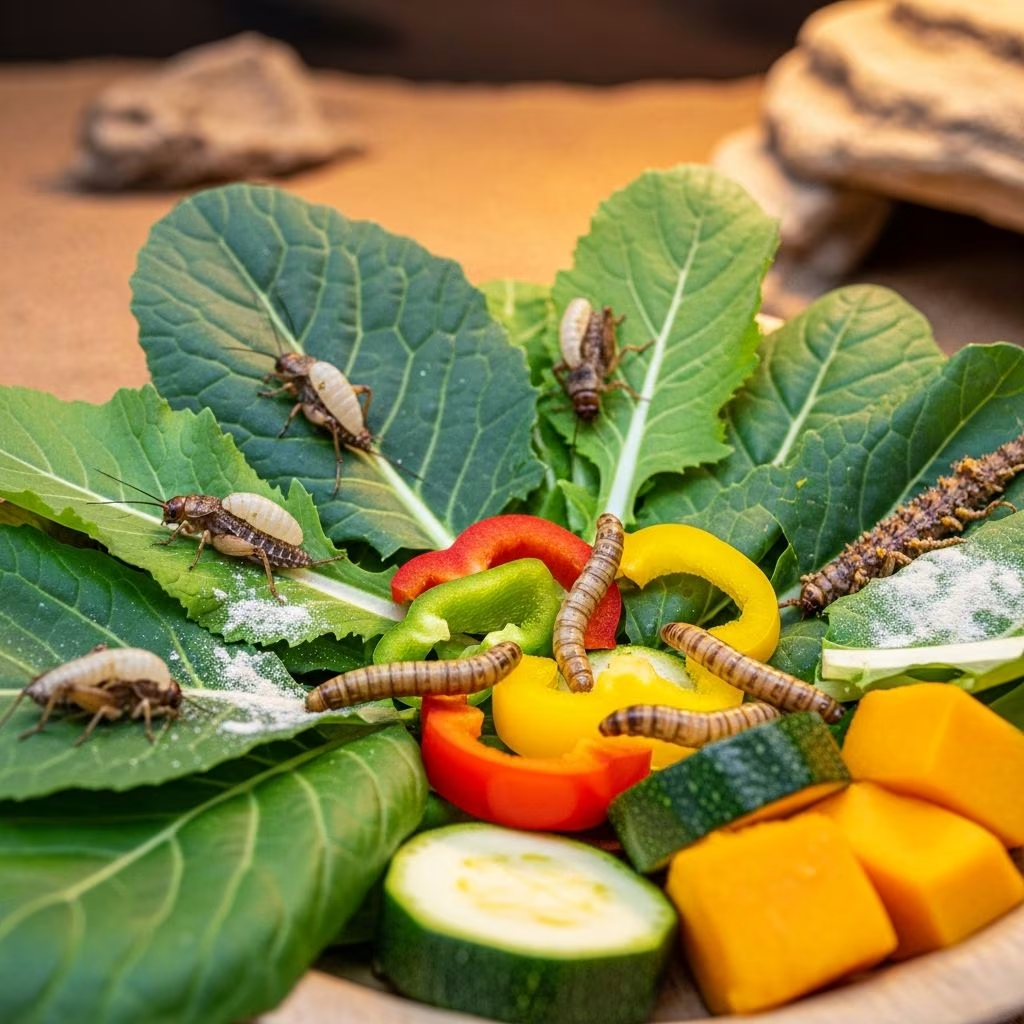
All insects provided must be gut loaded before feeding. Gut loading involves feeding nutritious food to the insects six to twelve hours before they are offered to your bearded dragon, ensuring that the nutrients are transferred to your pet.
Adult Bearded Dragon Diet
As bearded dragons mature into adulthood, their dietary needs shift dramatically. Adult bearded dragons become primarily herbivorous, with insects playing a supplementary role rather than the primary food source. This dietary shift reflects changes in their metabolism and reduced growth requirements.
Dietary Composition for Adults
Adult bearded dragons should consume approximately 70-80% plant-based material and only 20-30% insects. This significant shift from the juvenile diet is essential for maintaining healthy body weight and preventing obesity-related health issues. The plant-based portion should consist primarily of vegetables and leafy greens, with fruits making up only a small percentage of the overall diet.
Feeding Frequency for Adult Dragons
Adult bearded dragons should be fed once daily or every other day, depending on their individual appetite and metabolism. Unlike juveniles that require frequent feeding, adult dragons benefit from a more structured feeding schedule that helps maintain consistent nutrient intake. Live insects should be offered three to four times per week, while salads and vegetables should be available daily.
Live Insects for Bearded Dragons
Live insects form the foundation of a complete bearded dragon diet, providing essential proteins, fats, and other nutrients that plant material alone cannot supply. The variety and quality of insects offered directly impact your bearded dragon’s health and nutritional status. Approximately 70% of a juvenile bearded dragon’s diet should consist of live insects, while adult dragons require a smaller but still significant portion.
Best Insects for Bearded Dragons
Several insects are appropriate for bearded dragon consumption, each offering different nutritional profiles:
- Crickets: One of the most commonly available and nutritious options, offering excellent protein content
- Dubia roaches: Highly nutritious with balanced protein and fat content, excellent for growing dragons
- Mealworms: Readily available but should not be the sole insect source due to their tough exoskeleton
- Kingworms: Larger insects suitable for adult bearded dragons, packed with nutrition
- Phoenix worms: Rich in calcium, making them an excellent choice for supporting bone health
- Hornworms: High moisture content, beneficial for hydration and variety
- Silkworms: Highly nutritious with excellent protein content
Gut Loading Insects
Gut loading is a critical practice that significantly enhances the nutritional value of insects offered to bearded dragons. This process involves feeding nutrient-dense food to insects six to twelve hours before they are consumed by your dragon. Properly gut-loaded insects deliver essential vitamins and minerals, including calcium and vitamin D3, directly to your bearded dragon.
Effective gut-loading diets should contain dark leafy greens, vegetables, and nutritious commercial gut-load formulas specifically designed for feeder insects. By prioritizing gut-loaded insects, you ensure that your bearded dragon receives optimal nutrition from each feeding.
Vegetables and Greens for Bearded Dragons
Vegetables and leafy greens form the cornerstone of an adult bearded dragon’s diet and should comprise 20-30% of a juvenile’s diet. The variety and nutritional density of vegetables offered directly impact your dragon’s overall health, immune function, and longevity. Choosing the right vegetables ensures that your bearded dragon receives diverse nutrients including vitamins, minerals, and fiber.
Daily Vegetables and Greens
These vegetables should be offered daily or several times per week to maximize nutritional intake:
- Collard greens
- Dandelion greens
- Mustard greens
- Turnip greens
- Endive
- Romaine lettuce
- Green leaf lettuce
- Red leaf lettuce
- Bok choy
- Kale
- Arugula
Vegetables for Occasional Feeding
These vegetables offer nutritional benefits but should be offered every other week or a few times per week:
- Squash
- Zucchini
- Sweet potato
- Carrots
- Green beans
- Peas
- Beans
- Okra
- Broccoli
- Cilantro
- Cucumber
- Parsnip
- Red cabbage
- Hibiscus
- Pumpkin
Vegetables to Avoid
Certain vegetables should never be offered to bearded dragons as they can cause serious health problems or provide minimal nutritional value:
- Avocado (toxic to reptiles)
- Beet greens (high in oxalates)
- Iceberg or head lettuce (minimal nutrition, high water content)
- Celery (high in fiber, low in nutrients)
- Light green leafy vegetables that lack nutritional density
- Mushrooms
- Rhubarb
- Wild plants of unknown origin
Fruits for Bearded Dragons
Fruits should make up only 5-10% of an adult bearded dragon’s total diet and should be offered as occasional treats rather than dietary staples. While fruits provide natural sugars and some vitamins, they lack the protein and essential nutrients that vegetables and insects provide. Fruits should always be cut into bite-sized pieces and offered sparingly to prevent digestive issues and obesity.
Appropriate Fruits for Bearded Dragons
When offering fruits, choose those with good nutritional profiles and offer them according to the following guidelines:
- Apples (peeled): Weekly
- Blueberries: Weekly
- Apricots: Every other week
- Blackberries: Every other week
- Cantaloupe: Every few weeks
- Bananas: Once or twice monthly
- Cherries: Monthly
- Dates and raisins: Very rarely
Fruits to Avoid
Citrus fruits should be avoided or offered extremely sparingly, as the acidity can cause digestive upset and damage to the bearded dragon’s stomach lining. The harsh acidic content can be particularly problematic for dragons with sensitive digestive systems.
Calcium and Vitamin Supplementation
Proper supplementation is crucial for maintaining bone health and preventing metabolic bone disease, one of the most common health problems in captive bearded dragons. Without appropriate supplementation, bearded dragons can develop serious skeletal deformities and health complications.
Calcium Supplementation
Calcium powder containing vitamin D3 should be lightly sprinkled on food two to three times per week. Supplements should be dusted onto small portions of salads or moist foods, and these portions should be fed first to ensure maximum consumption. The calcium-to-phosphorus ratio in supplements is critical; ideally, it should be approximately 1.5:1 to 2:1 to promote proper mineral absorption.
Vitamin Supplements
In addition to calcium, bearded dragons benefit from occasional vitamin supplementation, particularly vitamin A and other essential nutrients. However, it’s important not to over-supplement, as excessive vitamins can cause toxicity. Always consult with a veterinarian experienced in reptile care for specific recommendations tailored to your individual dragon’s needs.
Hydration for Bearded Dragons
While bearded dragons obtain most of their moisture through fruits and vegetables, maintaining proper hydration is essential for overall health. A water bowl should always be available in the enclosure, though many bearded dragons prefer to soak in their water bowl rather than drink from it, which is normal behavior for this desert-dwelling species. Some dragons may require misting or additional water sources to ensure adequate hydration, particularly in dry environments.
Best Commercial Bearded Dragon Foods
For convenience and nutritional completeness, certain commercial bearded dragon diets meet high nutritional standards. Mazuri® bearded dragon diet for adults is formulated by nutritionists specifically for adult bearded dragons and represents an excellent option for occasional feeding supplementation. When choosing packaged foods, select high-protein varieties for younger dragons and low-protein varieties for adult dragons.
Feeding Tips and Best Practices
Successful bearded dragon feeding involves more than simply offering food items. Consider these important practices:
- Observe your individual dragon’s preferences, as some may enjoy chasing live prey while others prefer feeding with tweezers
- Ensure all insects are appropriately sized for your dragon’s current life stage
- Rotate food items regularly to provide diverse nutrition
- Remove uneaten live insects after feeding to prevent stress and injury
- Monitor eating habits for changes that might indicate health issues
- Maintain proper temperature ranges to optimize digestion and appetite
- Consult with a veterinarian if dietary questions arise
Frequently Asked Questions
Q: How often should I feed my adult bearded dragon?
A: Adult bearded dragons should be fed once daily or every other day, depending on their individual appetite. Live insects should be offered three to four times per week, while salads and vegetables should be available daily.
Q: Can bearded dragons eat lettuce?
A: Light green lettuces like iceberg and head lettuce should be avoided as they are high in fiber and water content but low in nutritional value. Romaine, green leaf, and red leaf lettuces are better alternatives.
Q: What percentage of my juvenile bearded dragon’s diet should be insects?
A: Juvenile bearded dragons should receive approximately 80% insects and 20% plants to support their rapid growth and development.
Q: How do I gut load insects for my bearded dragon?
A: Gut load insects by feeding them nutrient-dense food such as dark leafy greens, vegetables, and commercial gut-load formulas six to twelve hours before offering them to your bearded dragon.
Q: Are fruits essential in a bearded dragon’s diet?
A: Fruits are not essential but can be offered as occasional treats, making up only 5-10% of the total diet. They provide variety and natural nutrients but should never replace vegetables and insects.
Q: How much calcium supplementation does my bearded dragon need?
A: Calcium powder containing vitamin D3 should be lightly sprinkled on food two to three times per week. Always consult with a veterinarian for specific recommendations for your individual dragon.
Q: Can bearded dragons eat citrus fruits?
A: Citrus fruits should be avoided or offered extremely sparingly, as the acidity can cause digestive upset and be harsh on the bearded dragon’s stomach lining.
Q: What should I do if my juvenile bearded dragon refuses vegetables?
A: Many juvenile bearded dragons are picky about vegetables, but offering them regularly at feeding time helps establish healthy eating habits for adulthood. Continue offering vegetables even if they are not immediately consumed.
References
- What Do Bearded Dragons Eat? — PetMD. Accessed 2025-11-28. https://www.petmd.com/reptile/nutrition/what-do-bearded-dragons-eat
- Bearded Dragons: Feeding — VCA Animal Hospitals. Accessed 2025-11-28. https://vcahospitals.com/know-your-pet/bearded-dragons-feeding
- How To Feed Your Bearded Dragon — NC State Veterinary Hospital. Accessed 2025-11-28. https://hospital.cvm.ncsu.edu/services/small-animals/nutrition/how-to-feed-your-bearded-dragon/
- Bearded Dragon Diet | Gillette Veterinarians — Red Hills Veterinary Clinic. 2023-04-15. https://www.redhillsvet.com/site/blog/2023/04/15/bearded-dragon-diet
- The Complete Bearded Dragon Diet Plan — Dragon’s Diet. Accessed 2025-11-28. https://dragonsdiet.com/blogs/dragon-care/the-complete-bearded-dragon-diet-plan
- The Bearded Dragon’s Diet: What Can They Eat? — Falls Road Veterinary Clinic. 2022-01-14. https://www.fallsroad.com/site/tips-resources-blog-baltimore-vet/2022/01/14/bearded-dragon-diet



