

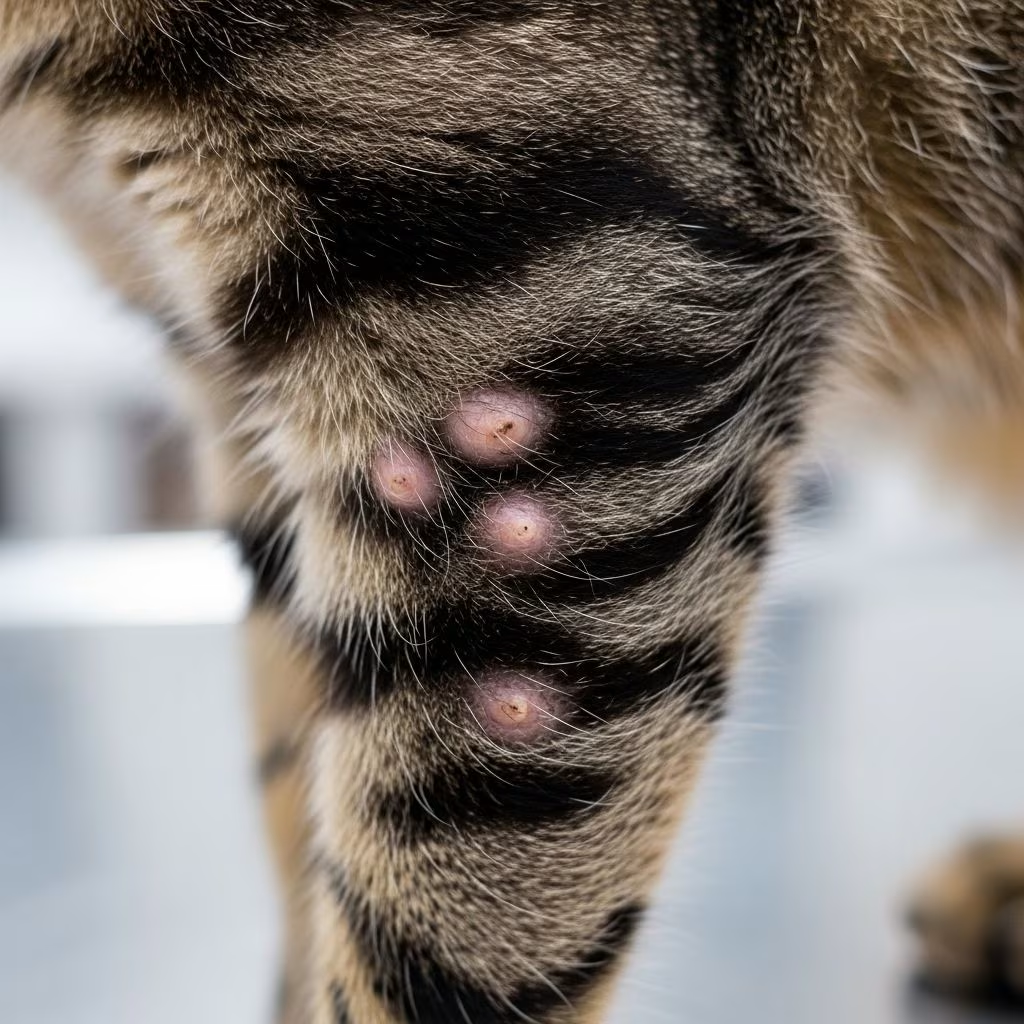
Finding a lump on your cat’s rear leg can be alarming for any pet owner. These growths may range from harmless bumps to signs of serious health issues requiring immediate veterinary attention. Common causes include abscesses from fights, traumatic injuries, benign fatty tumors like lipomas, malignant cancers, inflammatory conditions, and even life-threatening vascular problems such as saddle thrombus. Understanding the potential reasons, symptoms, and next steps is crucial for your cat’s well-being.
This article breaks down the most frequent culprits of lumps specifically on the rear legs, drawing from veterinary insights. Rear legs are particularly prone to certain issues due to a cat’s active lifestyle, frequent fights, and vulnerability to trauma in these areas. Always consult a veterinarian for a proper diagnosis, as self-treatment can worsen conditions.
Why Do Cats Get Lumps on Their Rear Legs?
Cats develop lumps on their rear legs for various reasons, often linked to their outdoor activities or interactions with other animals. The lower legs, thighs, and hock areas are common sites because cats scratch, fight, and jump frequently, exposing these regions to injury and infection. Bacterial infections from bites lead to abscesses, which are pus-filled swellings that form rapidly. Trauma from falls or car accidents can cause hematomas or hernias. Parasitic bites, allergic reactions, and skin conditions like eosinophilic granuloma complex (EGC) also manifest as lumps here. More concerning are tumors—both benign like lipomas and malignant like fibrosarcomas or mast cell tumors—and vascular emergencies like saddle thrombus, where blood clots block circulation to the hind limbs, creating firm, painful swellings.
Benign lumps are non-cancerous and may not spread, while malignant ones can invade nearby tissues or metastasize. About 50% of skin growths in cats are cancerous, making prompt evaluation essential. Factors like age, breed, sun exposure, and underlying diseases (e.g., heart disease for thrombi) influence risk. Older cats are more susceptible to tumors, while young or outdoor cats face higher infection rates.
Abscesses: The Most Common Culprit
Abscesses top the list of causes for lumps on cats’ rear legs. These occur when bacteria enter through bite wounds or scratches, often from cat fights. The rear legs are prime targets during territorial scuffles. The wound seals over, trapping bacteria and forming a pus pocket that swells into a warm, painful lump, sometimes with a scabbed center. Symptoms include fever, lethargy, reduced appetite, and limping. Abscesses develop overnight and feel fluctuant (soft and squishy) upon palpation.
Treatment involves veterinary drainage, flushing, antibiotics, and pain relief. Home remedies like warm compresses may help minor cases but risk rupture and spread of infection. Untreated abscesses can lead to systemic illness or bone involvement. Prevention: Keep cats indoors, neuter them to reduce fighting, and maintain flea control, as parasites exacerbate skin issues.
Trauma and Hematomas
Injuries from falls, car accidents, or attacks cause traumatic lumps like hematomas—collections of blood under the skin. Rear legs suffer in high-impact events, leading to bruising, swelling, and firm lumps. Hernias, where tissue protrudes through muscle walls weakened by trauma, also appear as soft bulges. These require urgent surgery to prevent complications like strangulation.
Symptoms: Pain on touch, discoloration, lameness. Diagnosis via physical exam and imaging. Treatment: Rest, cold compresses initially, then surgery for persistent hematomas or hernias. Monitor for infection signs.
Tumors: Benign vs. Malignant
Benign Tumors (e.g., Lipomas)
Lipomas are soft, fatty, movable lumps common on the chest, abdomen, and upper rear legs of older cats. They grow slowly, feel doughy, and rarely cause issues unless large enough to impair movement. No treatment needed unless symptomatic; surgical removal is straightforward.
Malignant Tumors
Malignant lumps like squamous cell carcinomas, fibrosarcomas, mast cell tumors, and basal cell tumors pose greater threats. Fibrosarcomas form firm, invasive masses; mast cell tumors may ulcerate. Rear legs see fewer than head/neck tumors, but risk rises with age. About half of skin lumps are cancerous.
Symptoms: Rapid growth, ulceration, bleeding, lameness. Diagnosis: Fine-needle aspirate, biopsy. Treatment: Surgery, chemotherapy, radiation. Prognosis varies; early detection improves outcomes.
| Type | Characteristics | Common Locations | Treatment |
|---|---|---|---|
| Lipoma (Benign) | Soft, movable, slow-growing | Upper legs, abdomen | Monitor or excise |
| Fibrosarcoma (Malignant) | Firm, invasive, fast-growing | Legs, trunk | Surgery, chemo |
| Mast Cell Tumor | Ulcerated, itchy | Head, legs | Surgery, meds |
Inflammatory and Allergic Conditions
Eosinophilic granuloma complex (EGC) causes raised, gritty lumps or ulcers on rear legs, triggered by allergies or parasites. Insect bites/stings lead to swollen, itchy bumps; severe cases cause hives or anaphylaxis with breathing issues.
- Symptoms: Redness, itching, hair loss.
- Treatment: Steroids, antihistamines, allergen removal, flea prevention.
Cysts from blocked sebaceous glands form small, irritated lumps. Feline acne or horned paws are less common on legs but possible.
Saddle Thrombus: A Medical Emergency
Saddle thrombus (aortic thromboembolism) is a critical cause of rear leg lumps, especially bilateral firm swellings. Blood clots from heart disease lodge in hind limb arteries, cutting blood flow. Common in cats with hypertrophic cardiomyopathy.
- Symptoms: Sudden paralysis, severe pain (yowling), cold limbs, pale pads, rapid breathing.
- Treatment: Emergency pain control, anticoagulants, oxygen; prognosis guarded (50% mortality).
Unilateral clots affect one leg. Hyperthyroidism or cancer increases risk.
Other Possible Causes
- Parasites: Flea/tick bites cause small lumps; ticks transmit diseases.
- Foreign Bodies: Grass seeds embed, causing abscesses.
- Hernias: Post-trauma protrusions.
How Are Lumps on Cats’ Legs Diagnosed?
Vets start with history and exam: size, firmness, pain, growth rate. Tools include:
- Fine-needle aspirate (FNA) for cells.
- Biopsy for tumors.
- Ultrasound/X-rays for clots, hernias.
- Bloodwork for infection/systemic disease.
Differentiate abscess (fluctuant, warm) from tumor (firm) or thrombus (cold, rigid).
Treatment Options
Depends on cause:
- Abscess: Lance, antibiotics.
- Tumor: Excise, oncology.
- Thrombus: Hospitalization.
- Benign: Monitor.
Surgery common; monitor post-op.
When to See a Vet
Seek care if lump is painful, growing, ulcerated, or with fever/lameness. Emergencies: sudden bilateral leg issues, breathing distress.
Prevention Tips
- Indoor living reduces fights/trauma.
- Flea/tick preventives.
- Regular vet checkups for seniors.
- Heart screenings.
Frequently Asked Questions (FAQs)
What does a cancerous lump feel like on a cat’s leg?
Cancerous lumps are often firm, fixed, irregular, and grow quickly, unlike soft, movable benign ones.
Can abscesses on rear legs burst on their own?
Yes, but this spreads infection; vet drainage is safer.
Is saddle thrombus only in older cats?
Mostly, linked to heart disease in middle-aged/older cats.
How much do lump removals cost?
Varies; FNA $100-300, surgery $500-2000+ depending on complexity.
Can diet cause leg lumps?
Rarely directly, but allergies to food can trigger inflammatory lumps.
References
- Lumps and bumps in cats: What causes them and what should you do — RSPCA Pet Insurance. 2023. https://www.rspcapetinsurance.org.au/pet-care/cat-care/cat-lumps-bumps
- Lumps in cats – Joii Pet Care — JOII Pet Care. 2024. https://www.joiipetcare.com/blogs/health-symptoms/lumps-in-cats
- A Large Lump Appeared On My Cat Overnight, What Do I Do? — Cheyenne Pets. 2023. https://cheyennepets.com/blog/a-large-lump-appeared-on-my-cat-overnight-what-do-i-do/
- Cat Skin Lumps, Bumps, and Cysts — PetMD. 2024-01-15. https://www.petmd.com/cat/symptoms/cat-skin-lumps-bumps-and-cysts
- Saddle thrombus (aortic thromboembolism) in cats — PDSA. 2024. https://www.pdsa.org.uk/pet-help-and-advice/pet-health-hub/conditions/saddle-thrombus-aortic-thromboembolism-in-cats
- Lipoma In Cats: Symptoms And Treatments — VRA Vet. 2022-03-30. https://www.vravet.com/site/blog/2022/03/30/lipoma-in-cats-symptoms-and-treatments
- Tumors of the Skin in Cats – Cat Owners — Merck Veterinary Manual. 2024. https://www.merckvetmanual.com/cat-owners/skin-disorders-of-cats/tumors-of-the-skin-in-cats



