

What Causes Cloudy Eyes in Aquarium Fish
Cloudy eyes in aquarium fish is a common concern for aquarium enthusiasts and can indicate underlying health issues that need immediate attention. When your fish develops cloudy or white eyes, it signals that something in their environment or health needs adjustment. Understanding the causes, treatments, and prevention strategies can help you maintain your fish’s vision and overall well-being.
Understanding Cloudy Eyes in Fish
Cloudy eye, also known as corneal opacity, is not a disease itself but rather a symptom of various underlying conditions affecting your aquarium fish. The condition occurs when the cornea, which is the transparent outer layer of the eye, becomes infected, damaged, or inflamed. When this protective layer is compromised, light cannot pass through properly, creating the cloudy or white appearance that aquarium owners observe. The cloudiness can range from a slight haze to complete opacity and may affect one eye (unilateral) or both eyes (bilateral).
Fish differ significantly from terrestrial animals in that they lack eyelids, making their eyes particularly vulnerable to damage and irritation. This vulnerability means that even minor injuries or environmental stressors can lead to visible eye problems. The cornea’s direct exposure to aquarium water means that any changes in water chemistry or the presence of irritants can quickly affect eye health.
Common Causes of Cloudy Eyes
Poor Water Quality
Poor water quality is the most common cause of cloudy eyes in aquarium fish. Fish are extremely sensitive to their aquatic environment, and their eyes are particularly susceptible to irritation from improper water conditions. Several water quality issues can trigger cloudy eyes:
- Improper pH levels that deviate from your fish species’ requirements
- Accumulated dissolved organic compounds
- High ammonia and nitrite concentrations
- Elevated nitrate levels
- Heavy metal accumulation in the water
When fish are exposed to these poor conditions over time, their immune system becomes stressed, and the cornea becomes inflamed as a protective response. This inflammation manifests as the cloudiness aquarium owners observe. Regular water testing and maintenance are essential to prevent these water quality issues from developing.
Bacterial Infections
Secondary bacterial infections often develop when fish experience stress or have a weakened immune system, particularly following minor eye injuries. Common bacterial pathogens that cause severe eye infections include Aeromonas, Vibrio, and Pseudomonas species. These bacteria can quickly develop into cloudy eyes, inflammation, and in severe cases, discharge from the eye. Bacterial infections are more likely to occur when water quality is poor or when fish are stressed from other environmental factors.
Parasitic Infections
Various parasites can cause cloudy eyes in fish by directly attaching to eye tissue and causing irritation. Common parasitic culprits include:
- Marine ich (Cryptocaryon irritans)
- Marine velvet (Oodinium)
- Flukes
- Other external parasites
These parasites irritate the eye tissue, leading to corneal inflammation and cloudiness. Parasitic infections require prompt treatment to prevent the fish’s vision from worsening and to prevent spread to other tank inhabitants.
Physical Trauma
Physical trauma is a significant cause of cloudy eyes, particularly in fish species with protruding eyes. Fish can injure their eyes through various means:
- Scraping against decorative items or rough rockwork
- Aggressive encounters with tank mates
- Accidental injuries during netting or tank maintenance
- Striking aquarium glass when startled
Without eyelids to protect their corneas, even minor abrasions can result in localized inflammatory reactions. The cornea becomes cloudy as the fish’s immune system responds to the injury. Depending on the severity of the trauma, the cloudy eye may be temporary or permanent.
Nutritional Deficiencies
A balanced diet is essential for maintaining fish eye health. Vitamin A deficiencies are particularly problematic, as this nutrient is crucial for proper eye function and maintaining corneal health. Fish fed a limited or incomplete diet are more prone to developing cloudy eyes. Providing a varied diet with high-quality foods ensures your fish receives all necessary nutrients to maintain healthy eyes.
Age-Related Changes
Just like humans, fish can develop age-related eye conditions such as cataracts as they grow older. Older fish with longer lifespans are particularly susceptible to these age-related changes. While age-related cloudiness is natural, maintaining optimal water quality and nutrition can slow progression and support overall eye health.
Species-Specific Considerations
Certain fish species are naturally more prone to eye-related issues than others. Understanding your fish’s specific vulnerability can help you take preventive measures:
| Fish Species | Why They’re Prone to Eye Issues | Prevention Tips |
|---|---|---|
| Fancy Goldfish | Giant bulbous eyes that protrude significantly | Provide soft, obstacle-free environments |
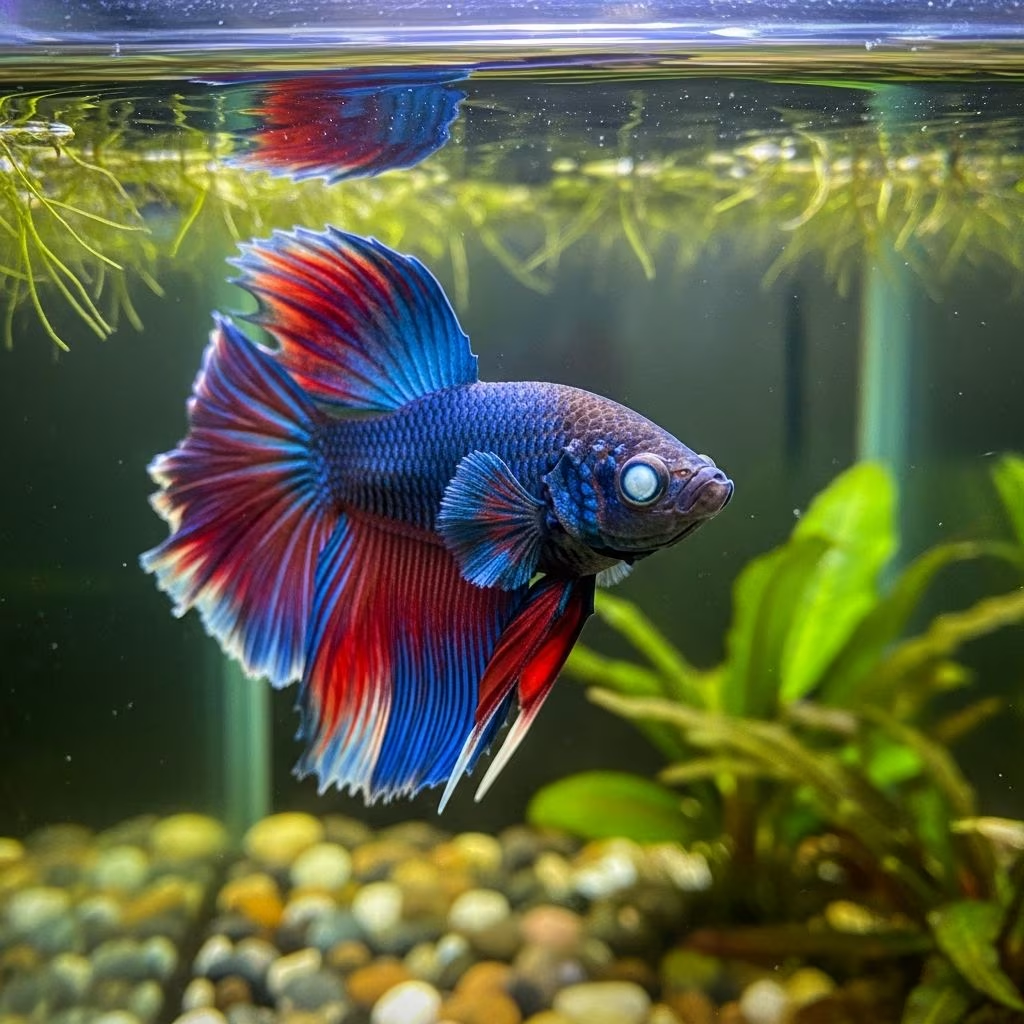
| Bettas | Large eyes relative to body size | Use soft plants and minimize sharp decorations |
| Surgeonfish | Species-specific predisposition | Monitor water quality closely |
| Puffers and Boxfish | Protruding eyes more exposed | Careful substrate management |
| Bottom-Dwelling Fish | Sand substrate irritation from spending time near bottom | Avoid blowing sand when cleaning substrate |
Is Cloudy Eye Contagious?
Cloudy eyes can be contagious depending on the underlying cause. Infections caused by bacteria or parasites are transmissible to other fish in the aquarium, particularly those that are stressed or have weakened immune systems. When you identify a fish with cloudy eyes from an infectious cause, it is crucial to quarantine the affected fish immediately to prevent the infection from spreading to other tank inhabitants.
Diagnosing Cloudy Eyes
Proper diagnosis is the first step toward effective treatment. Observe your fish carefully and consider the following factors:
Unilateral vs. Bilateral Cloudiness
Determining whether one or both eyes are affected can provide important diagnostic clues. Unilateral (single-eye) cloudiness typically suggests a localized infection or physical trauma specific to that eye. Bilateral (both-eye) cloudiness usually indicates a systemic issue such as an infection, nutritional deficiency, or widespread water quality problems affecting the entire fish.
Associated Symptoms
Look for additional symptoms that might accompany the cloudy eyes, such as lethargy, loss of appetite, unusual behavior, or discharge from the eye. These additional signs can help narrow down the underlying cause and guide treatment decisions.
Treatment Options for Cloudy Eyes
Addressing Poor Water Quality
If poor water quality is suspected as the cause, take these immediate steps:
- Perform a 25-30% water change to remove accumulated waste and irritants
- Clean the mechanical filtration media to improve water circulation and quality
- Replace and add fresh activated carbon to absorb dissolved organics
- Verify that your protein skimmer (in saltwater systems) is functioning properly
- Test water parameters to ensure they fall within appropriate ranges for your fish species
Treating Nutritional Deficiencies
If nutritional deficiencies are the cause, diversify your fish’s diet with:
- Marine algae including Tetraselmis chui, Rhodomonas salina, or Tisochrysis lutea
- Frozen foods such as brine shrimp or mysis shrimp
- High-quality marine flakes or pellets
- Vitamin-rich supplemental foods
Managing Physical Trauma
Unfortunately, there is no direct medical treatment for traumatic eye injuries in fish. Eye drops are ineffective since they wash away immediately when the fish swims. Instead, provide supportive care by maintaining pristine water conditions and a nutritious diet while removing any potential collision hazards from the tank. Over time, the fish’s immune system will work to heal the injury naturally.
Treating Infections
Bacterial and parasitic infections require specific treatment protocols. Quarantine the affected fish immediately to prevent spread. Depending on the specific pathogen identified, treatments may include medicated baths, antibiotics, or antiparasitic medications. Consulting with a qualified aquatic veterinarian can help determine the most appropriate treatment for the specific infection your fish has developed.
Prevention Strategies
Preventing cloudy eyes is far easier than treating them once they develop. Implement these comprehensive prevention strategies to protect your fish’s eye health:
- Maintain stable water parameters: Test water regularly and maintain appropriate pH, ammonia, nitrite, and nitrate levels for your fish species
- Monitor filtration: Change filter media on schedule and ensure your filtration system operates effectively
- Design a safe aquascape: Use smooth-edged decorations and provide plenty of swimming space to minimize collision risks
- Quarantine new additions: Always quarantine new fish and aquatic life to prevent introducing diseases or parasites
- Stock compatible fish: Select fish species that are compatible to prevent aggressive encounters
- Provide quality nutrition: Feed a high-quality, varied diet that meets all nutritional requirements
- Handle with care: Use gentle handling techniques when transferring fish to minimize stress and injury
- Follow proper acclimation: Acclimate new fish slowly to their new environment to reduce stress
Frequently Asked Questions
Q: Can cloudy eyes in fish be cured?
A: The prognosis depends on the underlying cause. Cloudy eyes from poor water quality often improve once water conditions are corrected. Traumatic injuries may resolve partially or completely with time and good care. Infections require appropriate medical treatment. Age-related cataracts may not be reversible but can be managed by maintaining optimal conditions.
Q: How long does it take for cloudy eyes to clear?
A: Recovery time varies based on the cause and severity. Water quality-related cloudiness may improve within days to weeks once conditions are corrected. Traumatic injuries may take weeks to months to heal, and some permanent scarring may occur. Infections require appropriate treatment duration based on the specific pathogen.
Q: Should I remove a fish with cloudy eyes from the tank?
A: If the cloudy eyes result from an infectious cause (bacterial or parasitic), yes—quarantine the fish immediately to prevent spread to other tank inhabitants. If the cause is environmental or nutritional, treating the entire tank while monitoring the affected fish is appropriate.
Q: What water parameters should I maintain to prevent cloudy eyes?
A: Maintain appropriate pH for your fish species, keep ammonia and nitrite at zero, maintain nitrates below 20 ppm, and ensure proper dissolved oxygen levels. Regular water testing and changes are essential to maintain these parameters.
Q: Are certain fish breeds more susceptible to cloudy eyes?
A: Yes, fish with protruding eyes like fancy goldfish, bettas, and koi are more prone to eye injuries. Bottom-dwelling species are susceptible to sand-related irritation. Certain surgeonfish species also show increased predisposition to eye cloudiness.
References
- Why Is My Fish’s Eye Cloudy? Causes, Treatment & Prevention — Reefco Aquariums. 2024. https://reefcoaquariums.com/blogs/news/why-is-my-fish-s-eye-cloudy
- Cloudy Eye in Aquarium Fish Treatment — Fwrapper Aqua. 2021. https://www.youtube.com/watch?v=pFhBgs87ay0
- Fish Cloudy Eyes: Common Causes and Treatment — California Fish Vet. 2024. https://cafishvet.com/fish-health-disease/fish-cloudy-eyes/
- Fish Disease Spotlight: Cloudy Eyes — Fitz Fish Ponds. 2024. https://fitzfishponds.com/blog/fish-disease-spotlight-cloudy-eyes/



