

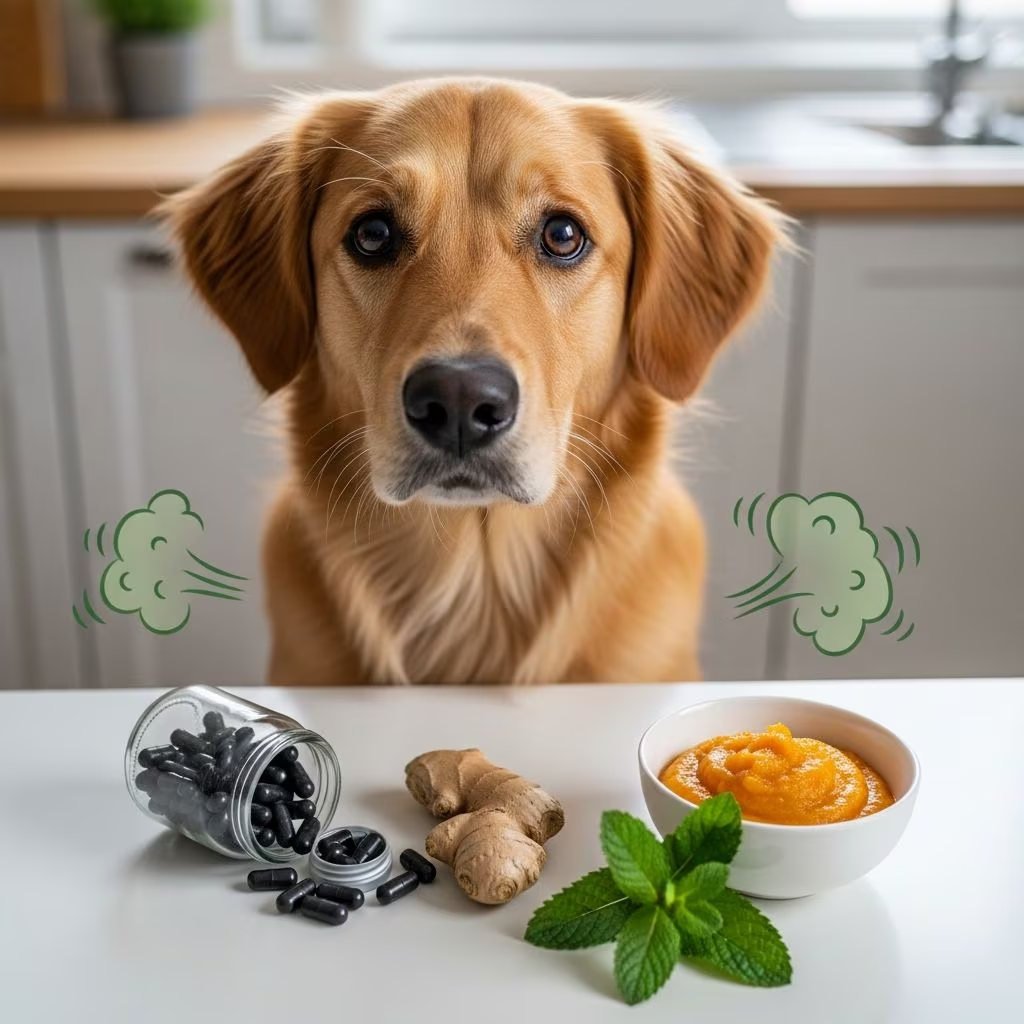
Dog gas, or flatulence, is a common issue that can range from mildly annoying to a sign of underlying health problems. While occasional farts are normal, excessive or smelly gas often stems from diet, swallowed air, or digestive imbalances. This article explores safe remedies, including simethicone, probiotics, and dietary adjustments, while distinguishing gas from life-threatening bloat.
Why Do Dogs Fart? Understanding the Causes of Dog Gas
Dogs produce gas through digestion, fermentation of undigested food by gut bacteria, and aerophagia (swallowing air). Common triggers include high-fiber diets, dairy intolerance, table scraps, and rapid eating. Swallowed air contributes significantly, especially in excited or greedy eaters. Sulfur-rich foods like beans or poor-quality kibble amplify odor, making farts notoriously stinky.
Unlike human gas, which might follow a big meal, persistent dog flatulence signals dietary mismatches or bacterial overgrowth. Deep-chested breeds face added risks, as gas buildup can mimic early bloat (gastric dilatation-volvulus or GDV), a medical emergency where the stomach fills with gas and twists.
- Dietary culprits: Legumes, grains, spoiled food, or abrupt food switches cause fermentation and gas.
- Behavioral factors: Gulping food leads to aerophagia.
- Medical issues: Parasites, pancreatitis, or exocrine pancreatic insufficiency (EPI) impair digestion.
Safe Home Remedies for Gassy Dogs
Before medications, try simple changes. Transition diets gradually over 7-10 days to avoid worsening gas. Feed smaller, more frequent meals to reduce air intake.
- Slow feeders and puzzles: Prevent gulping; mix wet food with kibble for slower eating.
- Easily digestible foods: Opt for rice-based or low-residue diets; avoid high-fiber until resolved.
- Portion control: Overfeeding ferments excess food in the gut.
Exercise post-meals promotes gut motility, expelling gas naturally. Pumpkin puree (plain, canned, 1-2 tsp per 10 lbs body weight) adds fiber to firm stools and reduce gas, but introduce sparingly.
Medications and Supplements: What Can You Give a Dog for Gas?
Simethicone (Gas-X) is safe and vet-approved, breaking gas bubbles without addressing odor or cause. Dose at 1-2 mg per pound every 8-12 hours, max 24 hours without vet advice. Never use human OTC meds without consultation.
| Remedy | Effectiveness | Notes |
|---|---|---|
| Simethicone | Reduces bubble volume | Safe; consult vet for dosing |
| Yucca schidigera | Decreases fart odor | Studies support use; pet-safe supplement |
| Zinc acetate | Gas reduction | Vet-recommended for stubborn cases |
| Probiotics | Balances gut flora | Choose live-culture dog formulas; evidence mixed |
| Activated charcoal | Low | Sites saturate before colon; avoid |
| Pancreatic enzymes | Low unless EPI | Expensive; not for routine gas |
Non-absorbable antibiotics target gas-forming bacteria short-term, per vet. Herbal options lack dosing safety data.
Diet Changes to Stop Dog Farts
Diet is the root fix for most cases. Switch to novel proteins (e.g., duck instead of chicken) or hydrolyzed diets if allergies suspected. Rice-heavy kibble digests easier than grain-heavy. Avoid dairy, as many dogs lack lactase.
- Prescription low-residue diets for severe cases.
- Probiotics restore good bacteria, aiding fermentation.
Monitor for 2-4 weeks; if no improvement, test for allergies or EPI.
When Is Dog Gas a Sign of Bloat? (GDV)
Bloat is not simple gas—stomach dilation with potential volvulus kills rapidly in large breeds. Symptoms: hard abdomen, retching without vomit, pacing, pale gums, collapse. Gas is trapped; decompression via needle/tube or surgery needed.
Gastropexy sutures stomach to prevent twisting (not dilation), dropping recurrence from 55% to 4%. Prophylactic for at-risk breeds ($2,000-$5,000). Emergency bloat treatment: immediate vet; survival drops hourly.
Preventing Excessive Gas and Bloat in Dogs
Proactive steps lower risks:
- Feed elevated bowls cautiously; evidence mixed on bloat link.
- Limit exercise 1-2 hours post-meal for bloat-prone dogs.
- Annual vet checks for at-risk breeds.
- Balanced diet; no table food.
For gas, consistent routine stabilizes gut microbiome.
Frequently Asked Questions (FAQs)
Can I give my dog Gas-X for gas?
Yes, simethicone is safe; dose per vet (1-2 mg/lb). It relieves symptoms, not causes.
Is dog gas dangerous?
Usually not, but foul, excessive gas with lethargy or hard belly signals bloat or illness—vet ASAP.
Do probiotics help dog farts?
They may balance gut bacteria; use dog-specific with live cultures.
How much simethicone for a 50-lb dog?
About 50-100 mg every 8 hours; confirm with vet.
Can diet alone fix gassy dogs?
Often yes—slow changes to digestible food work best.
Key Takeaways for Gassy Dog Owners
Address gas via diet tweaks first, add simethicone/probiotics as needed, and rule out bloat. Consult vets for persistent issues—early action prevents emergencies.
References
- Why Is My Dog’s Stomach Hard? What to Give a Bloated Dog — Kinship. 2023. https://www.kinship.com/dog-health/bloat-mother-all-dog-emergencies
- Should Your Dog Get a Gastropexy to Prevent Bloat? — Kinship. 2023. https://www.kinship.com/dog-health/should-dog-get-gastropexy-prevent-bloat
- Why Do Dogs Fart? Causes and Remedies for Dog Flatulence — Kinship. 2023. https://www.kinship.com/dog-health/dog-farts
- Why Do My Dog’s Farts Smell So Bad? Causes And What To Do — Kinship. 2023. https://www.kinship.com/dog-health/why-does-my-dogs-fart-smell-so-bad
- How to Treat Bloating & Farting in a Dog — YouTube (Dr. Q). 2010. https://www.youtube.com/watch?v=fXJQ7bxCdeU
- Bloat and flatulence – Vet Med: Applied GI Physiology — University of Minnesota. 2023. https://open.lib.umn.edu/vetphysioapplied/chapter/bloat/



