

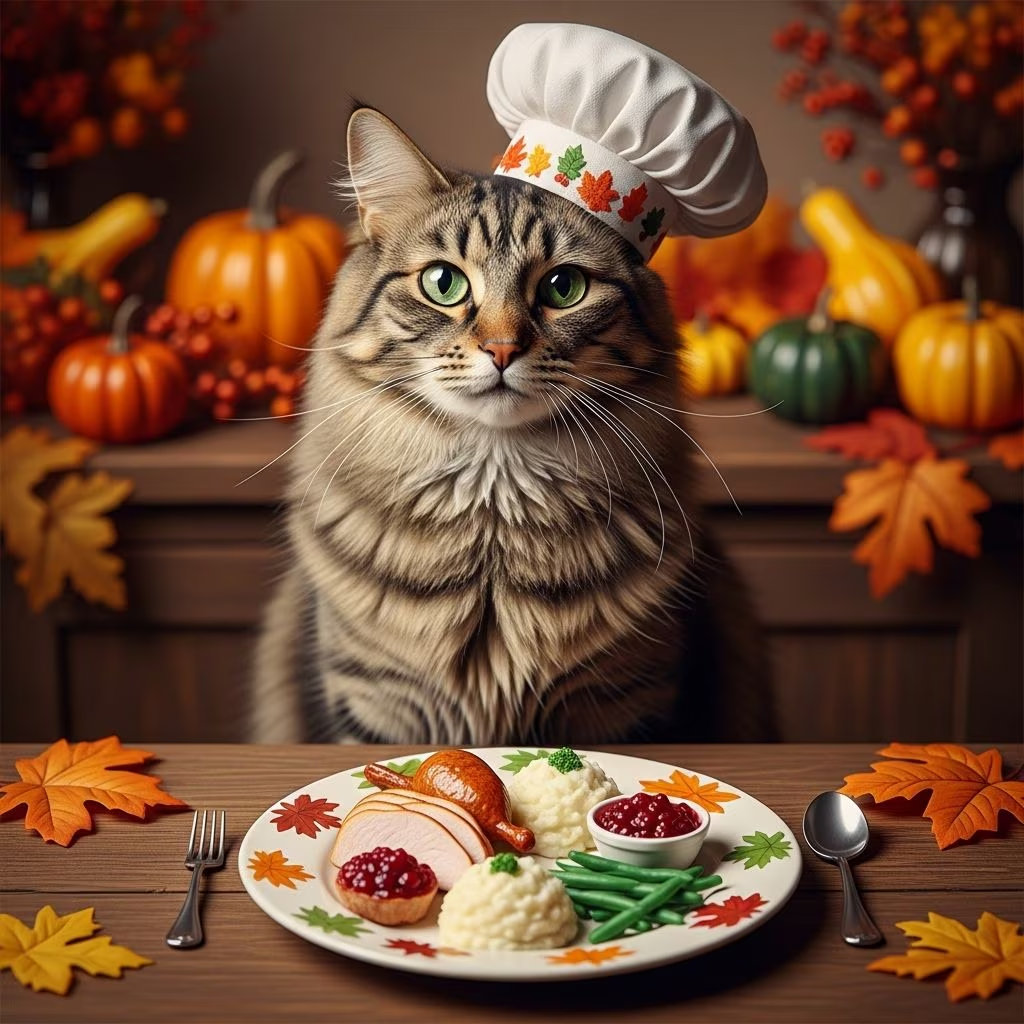
Cats are notorious food beggars during holiday meals, eyeing every plate with intense curiosity. Thanksgiving brings tempting aromas of turkey, pies, and sides that can make it hard to resist sharing with your feline companion. However, not all human foods are safe for cats, who are obligate carnivores with specific dietary needs. This vet-reviewed guide outlines 16 key do’s and don’ts, helping you decide what nibbles are okay in moderation and what to keep strictly off-limits to prevent health issues like toxicity, digestive upset, or worse.
Sharing small amounts of plain, unseasoned foods can be a fun way to include your cat in the festivities, but always prioritize their regular balanced diet. Overindulgence can lead to obesity, pancreatitis, or other problems. Consult your veterinarian for personalized advice, especially if your cat has pre-existing conditions. Below, we break down safe options and major hazards based on feline physiology and toxicology data from reliable veterinary sources.
The Do’s
These foods are generally safe for cats to sample in tiny portions. They won’t replace a complete diet but can offer variety without harm. Always prepare them plainly—no seasonings, oils, or additives—and remove any unsafe parts like seeds or pits. Limit treats to 10% of daily calories to avoid nutritional imbalance.
1. Apples
**Apples** provide vitamins C and K, calcium, and fiber, making them a healthy occasional treat for cats. Their antioxidants support immune health, and the crunch can aid dental hygiene. However, cats must never eat the core, seeds, stems, or leaves, as these contain amygdalin, which releases cyanide in the body—a potent toxin causing rapid breathing, dilated pupils, and shock.
Wash the apple thoroughly, core it, and cut into small, bite-sized cubes to prevent choking. A teaspoon or two is plenty for most cats. Monitor for allergies on first try; some felines may experience mild diarrhea from excess fiber.
2. Cranberries
Fresh or frozen **cranberries** are low-calorie and rich in vitamin C and antioxidants, potentially helping urinary tract health by acidifying urine. Cats with bladder issues might benefit, but evidence is anecdotal. Avoid cranberry sauce, which is packed with sugar and spices that upset stomachs.
Mash a few berries into plain puree or offer whole if your cat chews well. Limit to a few pieces daily to sidestep digestive irritation from natural acidity.
3. Green Beans
**Green beans** are a fiber-rich, low-calorie vegetable that’s safe and filling for overweight cats on weight management plans. They provide vitamins A, C, and K, plus minerals like iron, supporting overall wellness without excess carbs.
Steam or boil plain, then chop finely. A tablespoon serves as a crunchy topper for kibble, promoting satiety during holidays.
4. Pumpkin
Plain canned **pumpkin** (not pie filling) is excellent for digestion, easing both constipation and diarrhea due to its soluble fiber content. It’s also hydrating and low-fat, ideal for sensitive stomachs.
Mix 1/4 teaspoon into meals. Its mild flavor appeals to picky eaters, making it a staple beyond Thanksgiving.
5. Carrots
Cooked **carrots** offer beta-carotene for eye health and vitamin A, in a crunchy, low-calorie form. Raw carrots pose choking risks, so always cook and slice thinly.
Beta-carotene converts to vitamin A sparingly in cats, avoiding toxicity while providing antioxidants.
6. Peas
**Peas** deliver protein, fiber, and vitamins B, K, and A. They’re a gentle intro to veggies for kittens or adults.
Use fresh or frozen, steamed plain. A few peas add texture without overwhelming the palate.
7. Potatoes
Plain, cooked **potatoes** (no skin) provide potassium and digestible carbs. Avoid raw potatoes, which contain solanine toxin.
Mash small amounts as a bland side for upset tummies.
8. Turkey
As obligate carnivores, cats adore **turkey**—their ideal protein source. Plain, skinless, boneless breast meat is safe and mimics commercial cat food proteins.
Remove all fat, skin, bones, gravy, and seasonings like sage or onion powder. Shred finely to prevent gulping; a pinky-nail-sized piece suffices. Turkey boosts tryptophan for relaxation, perfect post-feast naps.
9. Sweet Potatoes
Baked **sweet potatoes** (plain) offer fiber, vitamins A and C, supporting skin and coat health. Their natural sweetness tempts finicky felines.
Cube small portions after cooking; moderation prevents carb overload.
The Don’ts
These common Thanksgiving staples pose serious risks, from mild upset to life-threatening toxicity. Even small amounts can trigger emergencies—keep counters clear and supervise closely.
10. Bones
Cooked **bones** splinter easily, causing mouth lacerations, tooth fractures, choking, or intestinal blockages/perforations requiring surgery. Raw bones carry salmonella and E. coli risks.
Never offer; dispose securely to thwart counter-surfing.
11. Chocolate
**Chocolate** contains theobromine and caffeine, metabolized poorly by cats, leading to vomiting, diarrhea, tremors, seizures, heart arrhythmias, or death. Darker varieties are deadlier.
Keep all forms (baking, candy, hot cocoa) inaccessible; symptoms appear within hours.
12. Onions & Garlic
Alliums like **onions** and **garlic** damage red blood cells via N-propyl disulfide, causing hemolytic anemia—symptoms include weakness, pale gums, rapid breathing. Even powdered forms in stuffing or gravy are hazardous.
Avoid all dishes containing them; toxicity builds over time.
13. Gravy
**Gravy** is fatty, salty, and often onion-laced, risking pancreatitis, salt toxicity, or heart strain in predisposed cats. Excess fat overwhelms their livers.
A lick won’t kill, but don’t add to food; opt for vet-approved toppers.
14. Alcohol
**Alcohol** depresses the central nervous system, causing ataxia, hypothermia, coma, or respiratory failure. Even spills from toasts are dangerous.
Secure drinks; cats’ small size amplifies effects.
15. Raw Meat or Fish
**Raw meat or fish** harbors parasites (Toxoplasma), bacteria (Salmonella, E. coli, Listeria), risking severe gastroenteritis or food poisoning. Only vet-approved raw diets are safe.
Cook thoroughly; symptoms mimic flu but can hospitalize.
16. Stuffing
**Stuffing** typically includes onions, garlic, butter, and grease, causing anemia or pancreatitis. Allium-free versions still upset digestion with richness.
Skip entirely; nutritional void outweighs temptation.
Additional Thanksgiving Safety Tips for Cats
Beyond food, holidays bring hazards like guest chaos, open doors for escapes, and stress. Provide quiet retreats, pheromone diffusers, and stick to routines. Watch for counter-surfing amid distractions.
- Supervise feasting: Clear plates immediately; use baby gates if needed.
- Hydration boost: Offer fresh water; dilute broths sparingly.
- Post-meal monitoring: Watch for vomiting, lethargy, or odd behavior—call vet or poison hotline (ASPCA: 888-426-4435) promptly.
- Diet basics: 90% complete food; treats enhance, don’t dominate.
Frequently Asked Questions (FAQs)
Q: Can cats have turkey skin?
A: No, turkey skin is fatty, risking pancreatitis. Stick to lean meat only.
Q: Is cranberry sauce safe?
A: No, sugar and spices irritate; plain cranberries only.
Q: What if my cat eats chocolate?
A: Seek emergency vet care immediately—theobromine toxicity is serious.
Q: How much pumpkin is too much?
A: Limit to 1 tsp daily; excess causes diarrhea.
Q: Are cooked bones okay?
A: No, they splinter; all bones are off-limits.
Table: Quick Reference for Thanksgiving Foods
| Food | Safe? | Notes |
|---|---|---|
| Turkey (plain) | Yes | Skinless, boneless, small amounts |
| Apples | Yes | No seeds/core; cubed |
| Chocolate | No | Toxic; seizures/death |
| Onions/Garlic | No | Anemia risk |
| Pumpkin | Yes | Plain canned; aids digestion |
| Bones | No | Splintering/choking |
Thanksgiving can be joyful for cats too with smart choices. Prioritize safety for a stress-free holiday.
References
- Pet Poison Helpline: Onion and Garlic Toxicity in Pets — Pet Poison Helpline. 2023-10-15. https://www.petpoisonhelpline.com/pet-tips/onion-and-garlic-toxic-to-dogs-and-cats/
- Chocolate Poisoning in Cats — Merck Veterinary Manual. 2024-05-20. https://www.merckvetmanual.com/toxicology/food-hazards/chocolate-poisoning-in-animals
- ASPCA Animal Poison Control: Common Holiday Toxins — ASPCA. 2024-11-10. https://www.aspca.org/pet-care/animal-poison-control/holiday-toxins
- FDA: Raw Pet Food Diets Can Be Dangerous — U.S. Food and Drug Administration. 2023-08-01. https://www.fda.gov/animal-veterinary/animal-health-literacy/get-facts-raw-pet-food-diets-can-be-dangerous-you-and-your-pet
- AVMA: Bones, Antlers, and Pets — American Veterinary Medical Association. 2024-02-12. https://www.avma.org/resources-tools/pet-owners/petcare/bones-antlers-and-your-pets



