

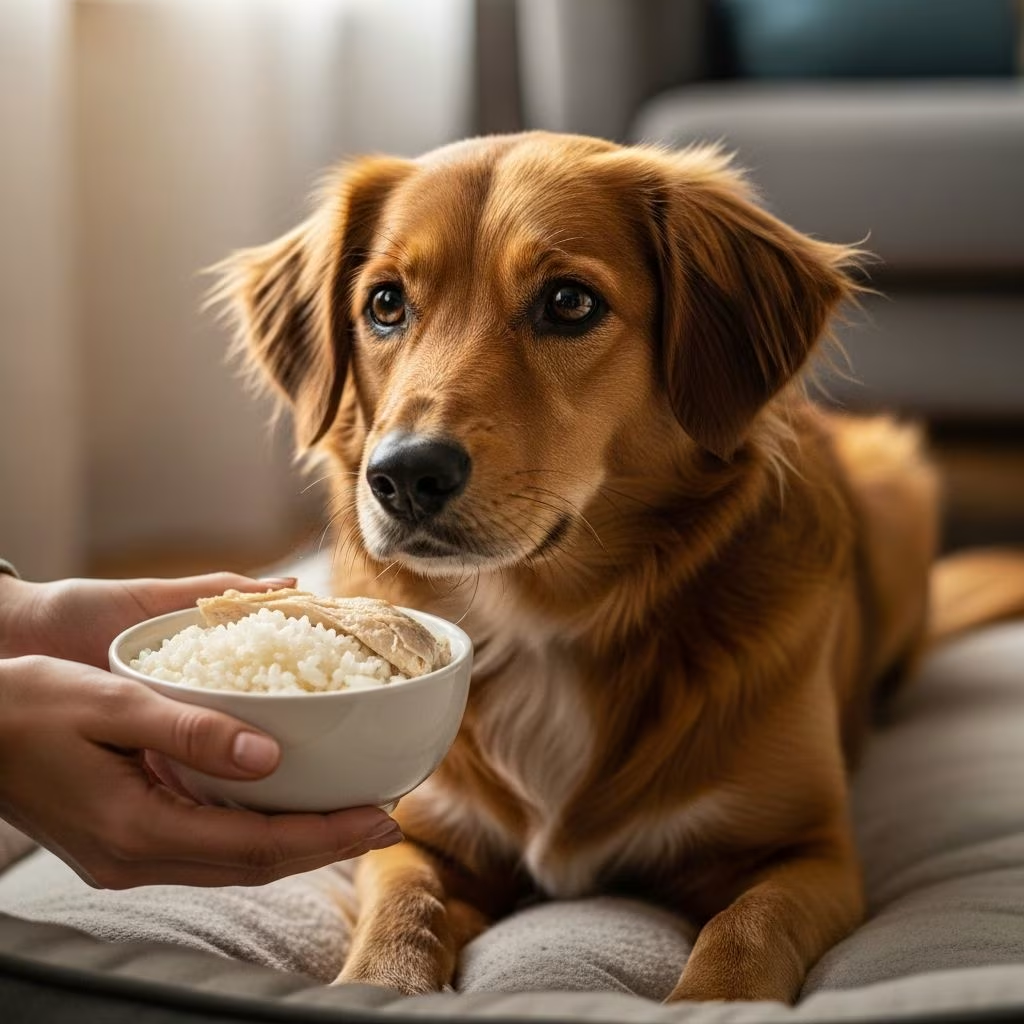
Gastrointestinal upset is common in dogs, often presenting as vomiting, diarrhea, or loss of appetite. While many cases resolve with simple home care like a **bland diet** or short-term fasting, some require veterinary intervention with medications such as Famotidine (Pepcid) or omeprazole. Always consult your vet before administering any treatment to rule out serious underlying issues.
Common Causes of Upset Stomach in Dogs
Dogs experience tummy troubles for various reasons, ranging from dietary indiscretion to more serious conditions. Common triggers include eating spoiled food, table scraps, sudden diet changes, stress, parasites, infections, or toxins. Less common but critical causes involve pancreatitis, gastrointestinal obstruction, kidney disease, or cancer, which demand prompt veterinary evaluation.
Recognizing the cause helps tailor the response. For instance, if your dog scavenged garbage, focus on decontamination and supportive care; persistent symptoms may signal infection or blockage.
Symptoms of an Upset Stomach
Watch for these signs that indicate gastrointestinal distress:
- Frequent vomiting (more than 1-2 episodes)
- Diarrhea, especially if watery, bloody, or black/tarry
- Lethargy or weakness
- Loss of appetite or refusal to eat
- Abdominal pain (hunched posture, whining when touched)
- Excessive drooling or lip licking
Mild cases may self-resolve within 24 hours, but persistent symptoms beyond this, or any blood, warrant immediate vet attention. Puppies, seniors, or dogs with pre-existing conditions are at higher risk and need faster intervention.
Home Remedies for Dog Upset Stomach
For mild cases, these vet-recommended strategies can provide relief without medication. Introduce changes gradually and monitor closely.
1. Fasting
Withhold food for 12-24 hours (4-12 for puppies or small dogs) to rest the gut, while ensuring constant access to fresh water. This allows the stomach lining to recover from irritation. After fasting, reintroduce food in small portions. Avoid fasting dehydrated or diabetic dogs—consult your vet first.
2. Bland Diet
A **bland diet** of boiled skinless chicken breast and white rice (1:2 ratio) is highly effective for soothing digestion. Feed small, frequent meals (4-6 per day) for 2-3 days, then transition back to regular food over 3-5 days. Alternatives include plain canned pumpkin (1-4 tbsp depending on size) for fiber or boiled sweet potatoes.
| Dog Size | Daily Bland Diet Amount (Cooked) | Chicken:Rice Ratio |
|---|---|---|
| Small (<20 lbs) | 1/2 – 1 cup | 1:2 |
| Medium (20-50 lbs) | 1-2 cups | 1:2 |
| Large (>50 lbs) | 2-4 cups | 1:2 |
3. Hydration Support
Dehydration worsens GI issues. Offer fresh water, ice cubes, or honey-infused water (1 tbsp raw honey per cup, cooled). **Bone broth** (unsalted, homemade or dog-safe) hydrates and nourishes without taxing the stomach—aim for 1/2 cup per 10 lbs body weight daily. Electrolyte solutions (diluted Pedialyte, vet-approved) help if diarrhea is present.
4. Probiotics and Fiber
Probiotics restore gut flora; use dog-specific supplements or plain yogurt (1-2 tsp per 10 lbs). Fiber-rich foods like plain pumpkin or fibrous veggies (carrots, green beans) regulate bowels.
5. Other Natural Aids
- Herbs: Slippery elm or ginger tea (vet-dosed) for soothing.
- Dewormers: Natural options like pumpkin seeds if parasites suspected.
- Intermittent fasting: Regular 24-hour fasts (1-2x/month) for prevention, per holistic vet.
Over-the-Counter Medications for Dogs
Never give human meds without vet guidance due to dosing risks and interactions. Common safe options include:
- Pepcid (Famotidine): Reduces stomach acid; useful for ulcers or vomiting. Dose: 0.25-0.5 mg/lb every 12-24 hours.
- Omeprazole (Prilosec): Proton pump inhibitor for acid reduction; takes 3-5 days for full effect. Give on empty stomach.
Caution: Avoid Tums or other antacids routinely, as they may cause issues; only under vet direction.
Vet-Prescribed Medications
For moderate-severe cases, vets may prescribe:
- Cerenia (maropitant): Anti-nausea for motion sickness or chemo; low side effects.
- Entyce (capromorelin): Appetite stimulant mimicking hunger hormones.
- Antibiotics, anti-parasitics, or fluids for infections/parasites.
When to See a Vet
Seek immediate care if:
- Symptoms last >24 hours
- Blood in vomit/stool
- Repeated vomiting (>2-3x)
- Lethargy, fever, or pain
- Bloating or unproductive retching (GDV emergency)
- Puppy/senior dog affected
These signal potential blockages, pancreatitis, or toxins.
Preventing Upset Stomach in Dogs
Proactive steps reduce recurrence:
- Feed high-quality, digestible food; transition slowly.
- Avoid table scraps, fatty/spicy foods.
- Ensure constant fresh water.
- Regular deworming, vaccinations.
- Manage stress; provide routine.
- Incorporate probiotics/fiber daily.
Frequently Asked Questions (FAQs)
Can you give dogs Tums for an upset stomach?
Tums are not routinely recommended; they may help mild acid issues but risk constipation or interactions. Opt for vet-approved Pepcid instead.
What foods soothe a dog’s stomach?
Boiled chicken/rice, plain pumpkin, sweet potatoes, or bone broth are top choices for their digestibility and fiber.
How long does a dog’s upset stomach last?
Mild cases resolve in 12-48 hours with care; longer or severe needs vet evaluation.
Is Pepto-Bismol safe for dogs?
No—risks salicylate toxicity and black stool masking issues. Avoid unless vet-prescribed.
When is dog diarrhea an emergency?
If bloody, persistent >24 hours, with lethargy, or dehydration signs.
References
- How to Naturally Help Your Dog’s Upset Stomach (9 Tips) — Omas Pride. 2023. https://omaspride.com/blogs/articles/tips-to-naturally-help-your-dogs-upset-stomach
- What to Do If Your Dog Has an Upset Stomach — Spot & Tango. 2024. https://www.spotandtango.com/blog/upset-stomach-in-dogs
- What Can I Give My Dog for an Upset Stomach? — Kinship. 2024. https://www.kinship.com/dog-health/what-can-i-give-my-dog-for-an-upset-stomach
- Can You Give Dogs Tums? How to Relieve Stomach Aches — Kinship. 2024. https://www.kinship.com/dog-health/can-you-give-dogs-tums
- Vet-Approved Diarrhea Treatments — Kinship. 2024. https://www.kinship.com/dog-health/vet-advice-treating-your-dogs-diarrhea



