What Can Hamsters Eat? A Complete Nutritional Guide
Discover safe and nutritious foods for your hamster's diet with expert guidance.
Hamsters are adorable small pets that require proper nutrition to thrive and live long, healthy lives. Understanding what your hamster can and cannot eat is fundamental to responsible pet ownership. Unlike larger animals, hamsters have specific dietary requirements and sensitivities that can significantly impact their wellbeing. This comprehensive guide will help you navigate the complexities of hamster nutrition, ensuring your furry friend receives the best possible diet.
The Foundation of Hamster Nutrition
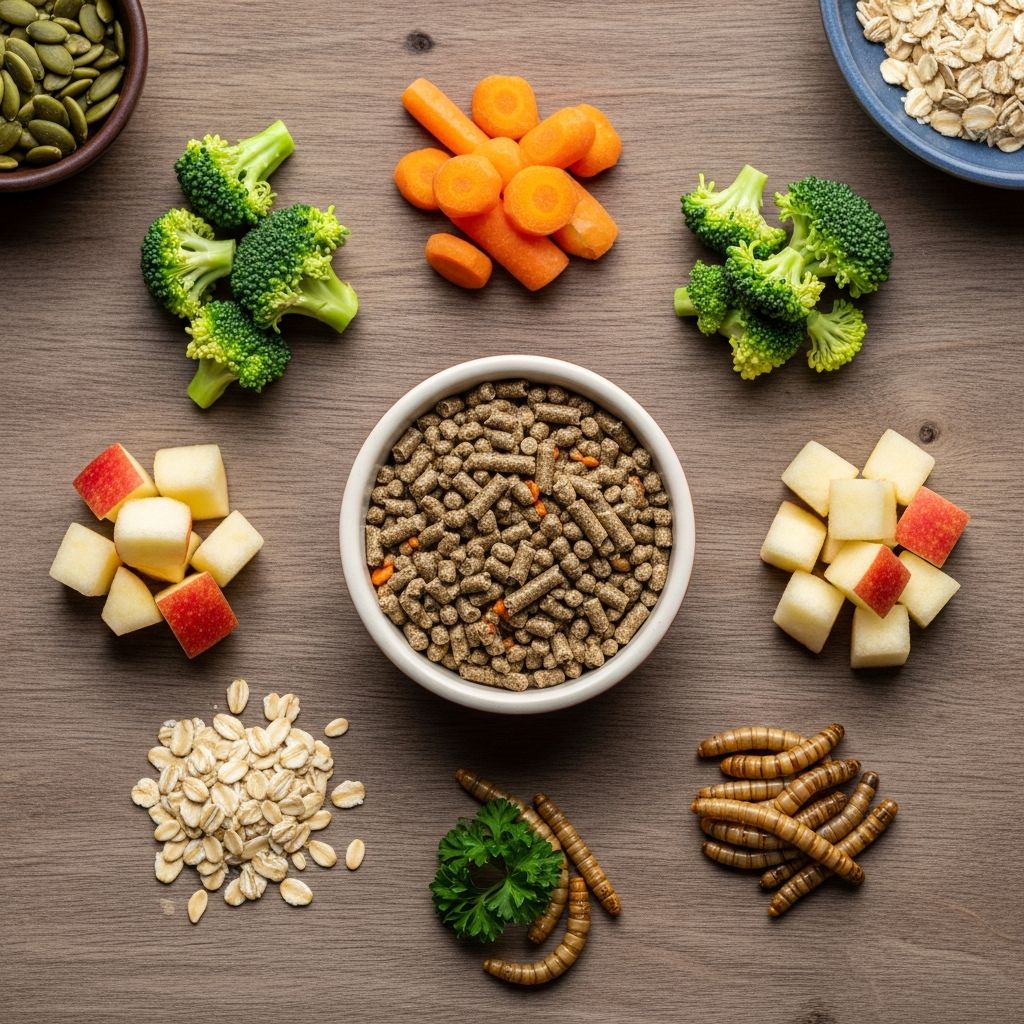
A quality, pelleted diet, also called a rodent block, forms the foundation of any hamster’s nutritional plan. These commercial hamster foods are specifically formulated to provide the essential nutrients your hamster needs to maintain optimal health. Brands like Oxbow and Bunny Nature offer high-quality pellet options that take the guesswork out of ensuring your hamster receives a well-balanced, nutritionally complete diet.
Hamsters consume approximately 12 grams of food per day, which means every bite counts toward their nutritional intake. This limited capacity makes it critical to prioritize nutritionally complete food rather than allowing your hamster to fill up on treats or supplementary foods. A high-quality commercial hamster food ensures your pet gets all the essential vitamins, minerals, and nutrients needed for proper growth, energy levels, and immune system function.
Feed your hamster commercial hamster food once daily. Even though hamsters are nocturnal and tend to eat primarily at night, you don’t need to adjust your feeding schedule. Offer food on your own schedule and remove any uneaten portions from the food bowl before providing a fresh meal. Additionally, discard any food your hamster has hidden within their cage to prevent spoilage and pest attraction.
Safe Vegetables and Fruits for Hamsters
While pellets should form the bulk of your hamster’s diet, supplementing with fresh vegetables and fruits can provide variety and additional nutrients. Heart-healthy greens and other vegetables can constitute as much as 20 percent of your hamster’s daily diet, while low-sugar fruits should be limited to around 2 percent to prevent excessive sugar consumption.
Always wash fruits and vegetables thoroughly before offering them to your hamster. Unwashed produce poses a danger due to pesticide residues, so opt for organic varieties when possible, particularly if you wish to feed the skins. Offer these supplementary foods in very small amounts—less than a fingernail-size portion—and only a few times per week.
Safe vegetable and fruit options for your hamster include:
- Blackberries
- Peaches
- Mango
- Broccoli
- Carrots
- Apples (remove seeds)
- Cantaloupe
- Peas
- Dandelion greens
- Romaine lettuce
- Kale
Protein Sources for Hamsters
Hamsters are omnivores, meaning their diet should include a healthy mix of vegetables, fruits, and even insects. Providing adequate protein supports muscle development, energy production, and overall bodily functions. You can offer small amounts of cooked animal protein, such as unseasoned chicken, to your hamster. Hard-boiled or scrambled eggs are also excellent protein sources that most hamsters enjoy.
Additional protein options include:
- Tofu
- Small amounts of lean chicken
- Hard-boiled eggs
- Scrambled eggs
- Dried insects (mealworms)
Always ensure that any meat offered is cooked thoroughly and unseasoned. Avoid adding salt, spices, or oils that could upset your hamster’s digestive system.
Cereals, Grains, and Seeds
Hamsters enjoy a variety of cereals and grains that can be offered as occasional treats or supplements to their main diet. Whole wheat crackers, healthy breads and rolls, oats, and various cereals are acceptable options when offered in moderation. These foods provide dietary fiber and additional nutrients, but should not replace the primary pellet diet.
While hamsters naturally enjoy seeds and nuts, these should be limited in your hamster’s diet. Both are extremely high in fat and are unhealthy as diet staples. Sunflower seeds, for example, should be given sparingly in regular circumstances. However, during pregnancy, the restriction on sunflower seeds may be lifted, as pregnant hamsters need the extra folic acid, vitamins, fats, and proteins these seeds provide.
Your hamster may also enjoy timothy hay or dried grasses in small amounts, which provide fiber and enrichment.
Foods to Avoid: Toxic and Harmful Options
Just as important as knowing what your hamster can eat is understanding which foods pose serious health risks. Many foods that are safe for humans or other animals can be toxic or harmful to hamsters. Always monitor your hamster closely after introducing any new food, and discontinue any item that causes soft stools or reduced appetite for their regular food.
Severely Toxic Foods
Certain foods should never be given to your hamster under any circumstances:
- Kidney beans (uncooked): These are toxic to hamsters and can cause serious illness. Cook kidney beans thoroughly before considering them, though it’s safest to avoid them entirely.
- Tomato leaves: While ripe tomato fruit may be safe in tiny amounts, tomato leaves are toxic and should never be offered.
- Apple seeds and cherry pits: These contain compounds that can be harmful to hamsters.
- Rhubarb: All parts of the rhubarb plant are toxic to hamsters.
Foods Causing Digestive and Health Issues
The following foods can cause digestive upset, indigestion, or other health complications:
- Chocolate, particularly dark chocolate: Contains theobromine, which is toxic to hamsters in large amounts. Given their small size and sweet tooth, it’s easy to exceed safe limits.
- Onion: May result in damage to red blood cells and should be avoided entirely.
- Garlic: Can cause indigestion and blood disorders in moderate amounts.
- Spicy or seasoned products: These may upset your hamster’s intestinal tract, resulting in diarrhea and digestive distress.
- Sugary products: Hamsters may choose to eat empty calories instead of their healthier foods, and excessive sugar consumption can lead to diabetes and obesity.
Foods High in Fat and Other Concerns
Several foods are problematic due to their high fat content or other nutritional concerns:
- Almonds: Unroasted, bitter almonds contain cyanide, and all almonds are moderately high in fat. An occasional almond sliver is fine as a rare treat, but do not exceed one almond per week.
- Peanuts: They are too high in fat for hamsters, and the salted variety may contribute to dehydration. One unsalted, human-grade peanut per week is the maximum safe amount.
- Potato and potato tops: These are unsafe for hamsters. However, sweet potato is acceptable in small amounts.
- Iceberg lettuce: Contains little nutritional value and can cause diarrhea. Opt for more nutritious green leafy vegetables instead.
- Celery, whole stalks: The stringy texture poses a choking hazard. If offering celery, remove the strings and cut into small, safe pieces.
Cheese and Other Dairy Products
Many hamster owners wonder whether they can offer cheese as a treat. While cheese can be a fun snack for your hamster, it should only be given in tiny amounts—two to three grams at a time at most—and only a few times per week to maintain a balanced diet. As with any new food, introduce cheese gradually to prevent digestive upset.
Remember that with only 12 grams of daily food intake, every treat takes space away from nutritionally complete food. Prioritize foods that offer genuine nutritional benefit over indulgent treats.
Special Dietary Needs for Pregnant and Nursing Hamsters
Mother hamsters have dramatically increased nutritional requirements during pregnancy and nursing. Protein needs increase approximately 60 percent during pregnancy, as the mother’s body must support fetal development. Nursing 14 to 28 pups in a litter can significantly deplete a mother hamster’s reserves.
During this critical period, feed pregnant and nursing hamsters boiled eggs, bits of cooked unseasoned chicken or beef, and mealworms. Include fruits and vegetables rich in vitamins A and E, such as broccoli, sweet apples, cantaloupe, and peas. During pregnancy, restrictions on sunflower seeds may be safely lifted to allow the hamster to eat as much as she needs, as these seeds provide essential folic acid, vitamins, fats, and proteins necessary for healthy pregnancy and lactation.
Feeding Baby Hamsters
Baby hamsters are typically well cared for by their mothers, but you can supplement their diet to support healthy development. Young hamster pups benefit from wheat germ cereal sprinkled near the nest early in their development. Small seeds such as millet are also good for hamster pups, even those younger than 10 days old. Place a whole sprig of millet in the cage as an enrichment treat for the mother, which gives her something interesting to do and provides the pups with access to quality nutrition.
If hand-raising baby hamsters becomes necessary, precise feeding protocols vary by species. Dwarf hamsters require smaller portions than Syrian hamsters. For dwarf hamsters less than 2 weeks old, start with 2 drops of hamster formula every half-hour around the clock, increasing to 3 drops every half-hour as they approach 2 weeks of age. When they reach 2 weeks, increase to 1/2 milliliter every hour. Syrian hamsters and other full-sized species require larger amounts: start with 1 milliliter 12 times per day until 2 weeks old, then 2 milliliters 8 times daily.
Always provide wheat germ, small seeds, and fresh food like broccoli while bottle-feeding. Around 3 weeks of age, hamster pups typically begin eating solid food, and you should gradually wean them off formula. Interestingly, hamster pups eat droppings from adult hamsters—this is normal and necessary. These droppings contain beneficial bacteria that help pups break down and digest the cellulose-rich foods they’ll eat as adults.
Portion Sizes and Feeding Guidelines
Hamsters typically need between 1 and 2 tablespoons of food per day, though amounts may vary based on your hamster’s breed, size, age, and activity level. Given that hamsters consume only about 12 grams of daily food, precision in feeding is important.
When offering supplementary foods like fresh fruits and vegetables, remember that these should constitute only a small percentage of total daily intake. Limit treats to maintain the emphasis on complete, balanced commercial hamster food. Always introduce new foods gradually and monitor your hamster’s response, watching for changes in eating habits or digestive health.
Dietary Variety and Enrichment
Hamsters are natural foragers and enjoy a variety of textures in their food. Offering a mix of crunchy and soft textures keeps them interested and engaged. A varied diet also prevents boredom and provides nutritional diversity, though variety should always be secondary to nutritional completeness and safety.
The key to hamster nutrition is balance: provide a high-quality commercial pellet diet as the foundation, supplement with appropriate fruits and vegetables in limited quantities, and avoid foods that pose health risks. This approach ensures your hamster receives complete nutrition while enjoying the variety that keeps them mentally stimulated and satisfied.
Monitoring Your Hamster’s Health
Always monitor your hamster closely after introducing new foods or making dietary changes. If your hamster isn’t eating her healthy rodent block well or is developing soft stools, discontinue any new foods immediately and consult your veterinarian for advice. Changes in appetite, digestion, or behavior can indicate dietary issues or other health concerns requiring professional attention.
Keep your hamster’s food bowl clean by removing uneaten fresh food before providing new meals. Discard any food your hamster has hidden within their cage, as stored food can spoil and harbor bacteria or mold. By maintaining good food hygiene and monitoring your hamster’s dietary response, you’ll help ensure long-term health and vitality.
Frequently Asked Questions About Hamster Nutrition
Q: How often should I feed my hamster?
A: Feed your hamster once daily with commercial hamster pellets. Since hamsters are nocturnal, they typically eat at night, but you don’t need to adjust your schedule—offer food during your normal routine and remove uneaten portions.
Q: Can hamsters eat all vegetables?
A: No. While many vegetables are safe, some are toxic or harmful. Avoid onions, garlic, potato, celery stalks (unless cut into pieces with strings removed), and iceberg lettuce. Always wash vegetables thoroughly and offer them in small, infrequent portions.
Q: Is it safe to give my hamster nuts and seeds regularly?
A: No. Nuts and seeds are too high in fat to be diet staples. Limit them significantly, though pregnant hamsters can consume more sunflower seeds due to their increased nutritional needs during pregnancy and nursing.
Q: What should I do if my hamster eats something toxic?
A: Contact your veterinarian immediately. Keep track of what your hamster consumed and when, as this information will help your vet provide appropriate treatment.
Q: Can hamsters eat cheese?
A: Yes, but only in very small amounts. Offer no more than 2-3 grams at a time, only a few times per week, and introduce it gradually to prevent digestive upset.
Q: Are there specific foods for dwarf hamsters versus Syrian hamsters?
A: The basic diet is similar for all hamster species, but portion sizes differ. Dwarf hamsters require smaller portions and may need different pellet sizes. Consult species-specific feeding guidelines and your veterinarian.
References
- Hamster Care and Nutrition Guidelines — Chewy Editorial. 2024-11-28. https://www.chewy.com/education/small-pet/hamster/what-can-hamsters-eat
- Can Hamsters Eat Cheese? — Chewy Editorial. 2024. https://www.chewy.com/education/small-pet/hamster/can-hamsters-eat-cheese
- Hamster Care Sheet: Complete Feeding Guidelines — Chewy Editorial. 2024. https://www.chewy.com/education/small-pet/hamster/hamster-care-sheet
- How to Feed Baby Hamsters: Species-Specific Guidelines — Chewy Editorial. 2024. https://www.chewy.com/education/small-pet/hamster/how-to-feed-baby-hamsters
Similar Articles








Read full bio of medha deb