

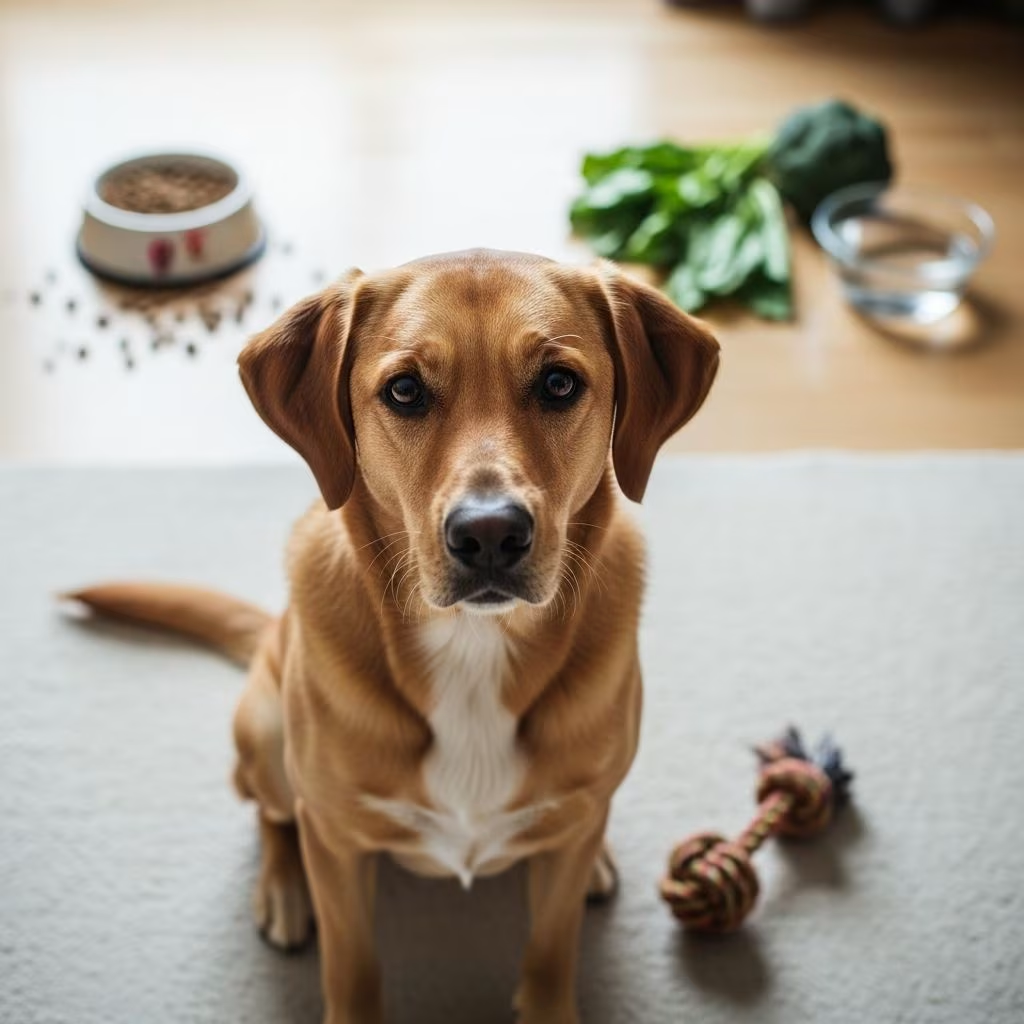
Constipation in dogs is a common health concern that can cause discomfort and distress for your furry companion. Like humans, dogs can experience digestive difficulties that interfere with their normal bowel movements. Understanding what causes constipation, recognizing the symptoms, and knowing the appropriate treatments can help you support your dog’s digestive health and overall well-being.
Understanding Dog Constipation
Dog constipation occurs when your pet has difficulty or infrequency in bowel movements, resulting in hard, dry stool that is difficult to pass. A healthy dog typically has a bowel movement once or twice daily, depending on age, diet, and individual factors. If your dog hasn’t had a bowel movement for more than two days, or if they’re straining excessively when attempting to defecate, constipation may be the issue.
While occasional constipation is not necessarily an emergency, chronic or severe cases require veterinary attention. Most mild cases of constipation can be resolved within 48 hours with appropriate home care and lifestyle adjustments, but persistent constipation may indicate an underlying health problem that needs professional evaluation.
Common Causes of Dog Constipation
Numerous factors can contribute to constipation in dogs. Identifying the underlying cause is essential for effective treatment and prevention. Here are the primary causes:
Dietary Factors
- Insufficient fiber intake: A diet lacking in adequate fiber is one of the most common causes of constipation in dogs. Fiber helps promote healthy bowel movements by adding bulk to stool and stimulating intestinal contractions.
- Sudden diet changes: Abruptly switching your dog’s food or introducing new food items can disrupt their digestive system and lead to constipation.
- Low-quality diet: Poor-quality commercial dog foods may lack the nutrients necessary for optimal digestive health.
- Ingestion of non-food items: Dogs often consume inappropriate items such as toys, bones, gravel, plants, dirt, hair, or kitty litter. These materials can accumulate in the intestinal tract and cause blockages or impaction.
- Dietary calcium sources: Excessive consumption of bones, bone meal, and other high-calcium foods can contribute to harder, more difficult-to-pass stools.
Physical Activity and Lifestyle
- Lack of exercise: Insufficient physical activity slows intestinal motility and contributes to constipation. Regular exercise stimulates the digestive system and promotes healthy bowel movements.
- Inadequate water intake: Dehydration is a significant risk factor for constipation. Dogs that don’t drink enough water produce harder, drier stools that are more difficult to pass.
- Stress and anxiety: Psychological stress or environmental changes can cause dogs to hold their stool, leading to constipation.
Medical and Health-Related Causes
- Anal gland problems: Blocked or abscessed anal sacs can make defecation painful and uncomfortable, leading to constipation as the dog avoids the bowel movement process.
- Enlarged prostate: In intact male dogs, benign prostatic hyperplasia can narrow the pelvic canal and obstruct normal bowel movements.
- Hypothyroidism: This endocrine disease slows metabolism and digestive function, frequently resulting in constipation.
- Kidney disease and renal issues: Renal problems often lead to dehydration and electrolyte imbalances, contributing to constipation.
- Megacolon: This condition involves abnormal dilation of the colon muscles, which become ineffective at moving stool through the intestines.
- Intestinal parasites: Parasitic infections such as roundworms can interfere with normal digestive function.
- Spinal problems: Conditions like intervertebral disc disease (IVDD), spinal injuries, or other neurological disorders can impair the dog’s ability to position themselves properly for defecation.
- Orthopedic issues: Arthritis and other painful conditions make it uncomfortable for dogs to assume the posture necessary for bowel movements.
- Tumors or masses: Digestive tract tumors, tumors that narrow the pelvic region, or masses within the colon or rectum can obstruct bowel movements.
Grooming and Hygiene Issues
- Excessive self-grooming: When dogs groom themselves excessively, hair can accumulate in the digestive tract and contribute to constipation.
- Matted hair around the anus: Poor grooming or obesity can lead to matted hair surrounding the anus, making defecation difficult and uncomfortable.
Medications and Medical Treatments
- Medication side effects: Certain medications can cause constipation as a side effect. These include opioids, diuretics, antihistamines, some antacids, and certain cancer drugs.
- Surgery and anesthesia effects: Recovery from surgery or anesthesia can temporarily affect bowel movements and digestive function.
Age-Related Factors
Senior dogs are more prone to constipation due to decreased activity levels, reduced water intake, medication use, and underlying health conditions common in older pets. Additionally, age-related changes in kidney function and electrolyte balance contribute to constipation in elderly dogs.
Recognizing the Symptoms of Dog Constipation
Early recognition of constipation symptoms allows for prompt intervention. Watch for these warning signs:
- Absence of bowel movements for two or more days
- Straining or struggling during attempts to defecate
- Crying, whining, or vocalizing discomfort when trying to pass stool
- Crouching or adopting an uncomfortable posture when attempting bowel movements
- Hard, pebble-like or dry stools when bowel movements do occur
- Producing only small amounts of stool despite effort
- General discomfort or restlessness
- Mucus or blood present in stool
- Loss of appetite
- Lethargy or decreased activity levels
If your dog exhibits any of these symptoms, especially if they persist for more than two days, contact your veterinarian for professional evaluation.
Treatment Options for Dog Constipation
The appropriate treatment for dog constipation depends on the severity of the condition and the underlying cause. Your veterinarian will develop a treatment plan tailored to your dog’s specific situation.
Mild Constipation Treatment
For mild cases, simple lifestyle and dietary modifications often resolve constipation within 48 hours:
- Increase water consumption: Ensure your dog has constant access to fresh, clean water. Increased hydration softens stool and promotes easier bowel movements.
- Enhance dietary fiber: Add fiber-rich foods to your dog’s diet, such as wheat bran, canned pumpkin (plain, not pie filling), or commercial fiber supplements like Metamucil designed for dogs.
- Increase physical activity: More frequent walks and exercise stimulate intestinal motility and promote regular bowel movements.
- Remove problematic foods: Stop your dog from eating unusual or indigestible items that may be contributing to the problem.
Moderate Constipation Treatment
For moderate cases, your veterinarian may recommend additional interventions:
- Stool softeners and laxatives: Medications such as dioctyl sodium sulfosuccinate (DSS) or polyethylene glycol (PEG) 3350 help soften hardened stool. These should be used short-term unless otherwise directed by your veterinarian.
- Suppository laxatives: These can help stimulate bowel movements in dogs with moderate constipation.
- Professional enemas: A veterinarian-administered enema can help dislodge impacted stool. Home enemas should never be attempted due to risks of injury or toxicity.
- Fluid therapy: Intravenous or subcutaneous fluids help rehydrate your dog and improve stool consistency.
- Prescription diets: High-fiber prescription diets formulated specifically for digestive health can support long-term management.
- Medication for underlying conditions: If medications are causing constipation, your veterinarian may adjust or change prescriptions.
Severe Constipation Treatment
Severe or chronic constipation may require more intensive medical intervention:
- Manual removal: In cases of severe impaction, your veterinarian may manually remove fecal matter using a gloved finger or specialized instruments.
- Intestinal stimulants: Medications like cisapride stimulate colon muscle contractions to promote bowel movements. An obstruction must be ruled out before using these medications.
- Probiotic supplements: Products such as FortiFlora help restore healthy gut bacteria and support digestive function.
- Hospitalization: Dogs with severe constipation may require overnight hospitalization for intensive fluid therapy, multiple enemas, and close monitoring.
- Surgery: In cases of megacolon or tumors that cannot be managed medically, surgical removal of the affected colon portion may be necessary.
- Castration: For intact male dogs where prostate enlargement is causing constipation, neutering may be recommended.
Home Care and Management Strategies
Beyond professional treatment, several home care strategies support your dog’s digestive health:
- Maintain a consistent feeding schedule: Regular meal times promote predictable bowel movements.
- Choose high-quality dog food: Select premium diets with appropriate fiber content and digestible ingredients.
- Provide daily exercise: Aim for at least 30 minutes of moderate physical activity daily, adjusted for your dog’s age and health status.
- Monitor water intake: Encourage drinking by providing fresh water throughout the day and using water bowls in multiple locations.
- Limit access to bones: Avoid giving your dog bones or bone-based treats that can contribute to constipation.
- Prevent non-food item consumption: Supervise your dog and remove access to toys, plants, and other items they might ingest.
- Maintain grooming: Regular brushing reduces excessive hair ingestion from self-grooming, and professional grooming prevents matted hair around the anus.
When to Seek Veterinary Care
Contact your veterinarian if your dog shows signs of constipation that last longer than two days, or if home remedies don’t provide relief within 48 hours. Seek immediate emergency care if your dog experiences severe pain, vomiting, complete loss of appetite, or signs of abdominal distension, as these may indicate a serious blockage or other emergency condition.
Frequently Asked Questions
Q: How long can a dog go without a bowel movement?
A: Most healthy dogs have bowel movements once or twice daily. If your dog hasn’t had a bowel movement for more than two days, contact your veterinarian to rule out constipation or other digestive issues.
Q: Is pumpkin good for dog constipation?
A: Yes, plain canned pumpkin is an excellent natural fiber source that can help relieve mild constipation in dogs. Add one to four tablespoons to their food depending on their size, but always consult your veterinarian first.
Q: Can I give my dog a human laxative?
A: Never give your dog human medications without veterinary approval. Many human laxatives are toxic to dogs or contain ingredients unsuitable for canine use. Always consult your veterinarian for appropriate dog-specific treatments.
Q: What should I avoid when treating dog constipation?
A: Avoid home enemas, as they can cause injury or toxicity. Don’t abruptly add excessive fiber without veterinary guidance, as this can cause diarrhea or other digestive upset. Never use human medications without veterinary approval.
Q: Can stress cause constipation in dogs?
A: Yes, stress and anxiety can cause dogs to hold their stool, leading to constipation. Environmental changes, travel, or new pets can trigger stress-related constipation. Creating a calm, stable environment helps support normal bowel function.
Q: How is constipation diagnosed in dogs?
A: Your veterinarian will perform a physical examination, discuss your dog’s symptoms and medical history, and may recommend diagnostic tests such as abdominal radiographs to identify underlying causes of constipation.
References
- Constipation in Dogs — VCA Animal Hospitals. 2024. https://vcahospitals.com/know-your-pet/constipation-in-dogs
- Dog Constipation: Causes, Diagnosis, and Treatment — American Kennel Club. 2024. https://www.akc.org/expert-advice/health/dog-constipation/
- Dog Constipation: Treatment and When To Call Your Vet — PetMD. 2024. https://www.petmd.com/dog/symptoms/dog-constipation
- Dog Constipation Causes and Treatment — WebMD Pets. 2024. https://www.webmd.com/pets/dogs/dog-constipation-causes-treatment
- Dog can’t poo: How to help a constipated dog — Vets Now. 2024. https://www.vets-now.com/pet-care-advice/constipation-in-dogs/
- Constipation in Dogs: Causes, Symptoms & Treatment — AnimERge Veterinary Emergency Clinic. 2024. https://www.animergevets.com/site/blog/2020/12/21/constipation-dogs-causes-symptoms-treatment



