

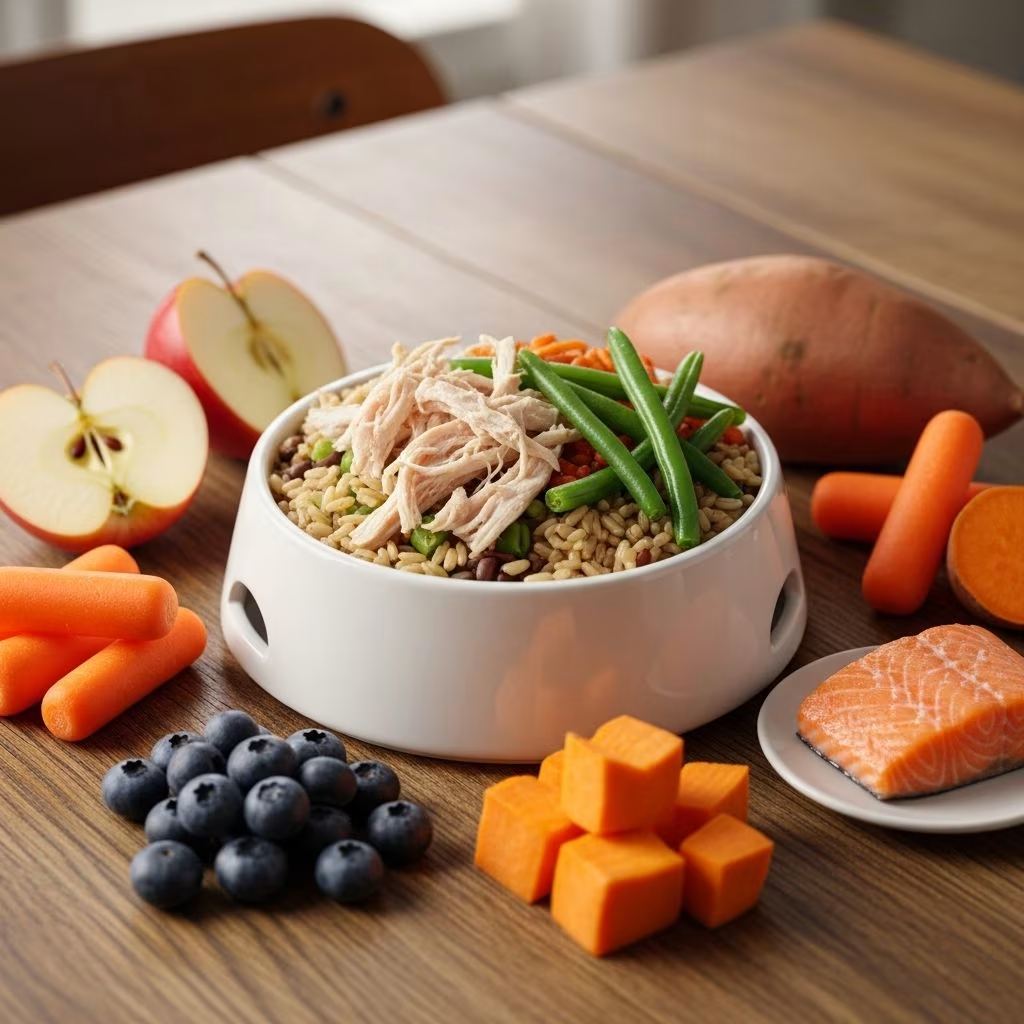
Dogs are often tempted by our meals, but not all human foods are safe for them. This guide covers puppy and adult dog nutrition, safe treats from fruits, vegetables, proteins, dairy, grains, and lists toxic foods to avoid. Always prioritize high-quality dog food and consult your vet before introducing new treats.
Understanding Dog Nutritional Needs
Dogs require a balanced diet from six major nutrient categories: **protein**, **fat**, **carbohydrates**, **vitamins**, **minerals**, and **water**. Puppies need higher levels of protein, fat, calcium, and DHA for growth, similar to human infants but formulated specifically for canines. High-quality commercial dog food meets these needs without human foods.
Human foods should only supplement, not replace, dog kibble or wet food. Treats make up no more than 10% of daily calories to prevent nutritional imbalances or obesity. Vegetables and fruits serve as low-calorie training rewards, adding fiber and antioxidants.
Safe Fruits for Dogs
Fruits offer vitamins and hydration but are high in sugar, so feed sparingly—a bite or two a few times weekly. Wash thoroughly, remove seeds, pits, rinds, and cut into small pieces. Serve raw or cooked without sugar.
- Apples: Provide fiber and vitamins; remove core and seeds.
- Berries (raspberries, blueberries, strawberries): Antioxidant-rich, low-calorie treats.
- Bananas: Potassium-packed; mash small amounts for easy eating.
- Watermelon (honeydew, cantaloupe): Hydrating summer snack; remove seeds and rind.
- Pumpkin/Squash: Aids digestion; plain canned pumpkin is ideal.
- Pears: Sweet and fibrous; core-free slices.
- Peaches/Plums/Apricots: Pits are toxic—flesh only in tiny amounts.
- Unsweetened Coconut: Healthy fats; shred sparingly.
- Pineapple: Enzyme-rich for digestion; fresh chunks.
Strawberries add vitamin C; feed halved for small dogs. Avoid overfeeding to prevent diarrhea from excess sugar.
Safe Vegetables for Dogs
Vegetables deliver fiber, vitamins, and low calories. Cook for better digestion, wash well, and chop small. Limit to avoid stomach upset.
- Carrots: Crunchy, beta-carotene source; raw or steamed.
- Sweet Potatoes: Skinless, baked for vitamins A and C.
- Green Beans: Low-calorie filler; fresh or canned plain.
- Peas: Protein and fiber boost.
- Cucumbers: Hydrating, low-cal treat slices.
- Spinach: Iron-rich greens; small amounts cooked.
- Plain Popcorn: Air-popped, unbuttered kernels.
- Broccoli: Antioxidants; steam lightly to reduce gas.
- Beets: Cooked for minerals.
- Asparagus: Woody ends trimmed; grilled tips.
Other options include celery for crunch, zucchini for hydration, and kale in moderation for superfood nutrients. Tomatoes (ripe flesh only) provide lycopene.
Safe Proteins for Dogs
Proteins complement kibble. Cook plainly without bones, fat, oil, salt, or seasonings. Small chunks prevent choking.
- Chicken/Turkey: Boiled or baked skinless breast.
- Lean Beef/Pork: Trimmed and grilled.
- Fish: Salmon or whitefish for omega-3s; boneless, cooked.
- Eggs: Scrambled or boiled; fully cooked to avoid salmonella.
- Natural Peanut Butter: Xylitol-free; smeared on toys.
Shrimp offers protein but devein and shell. Peanuts are occasional snacks—unsalted, shelled.
Dairy Products for Dogs
Many dogs are lactose intolerant post-weaning, causing gas or diarrhea. Opt for low-lactose options in tiny amounts.
- Yogurt: Plain, Greek for probiotics.
- Cheese: Low-fat cottage or cheddar bits; small doses.
- Milk: Avoid or use lactose-free puppy milk rarely.
Probiotic yogurts support gut health but test tolerance first.
Whole Grains for Dogs
Grains provide energy and fiber. Cook plain; use for bland diets during tummy troubles.
- Rice: White for diarrhea relief.
- Plain Oatmeal: Soothing breakfast add-in.
- Quinoa: Protein-complete grain.
Bread or pasta? Occasional plain pieces, but avoid as staples.
Superfoods to Share with Dogs
Nutrient-dense foods enhance diets. From the Kinship series, these stand out:
- Kale: Vitamins A, C, K; chop finely, cook.
- Quinoa: Complete protein alternative.
- Blueberries: Antioxidants for immunity.
- Salmon: Omega-3s for coat and joints.
- Pumpkin: Fiber for regularity.
- Broccoli: Cancer-fighting compounds.
- Sweet Potatoes: Eye health support.
- Green Beans: Weight management.
- Yogurt: Gut probiotics.
- Eggs: Versatile nutrition.
Incorporate via toppers or treats for health boosts.
Toxic Foods Dogs Must Avoid
Some human foods are poisonous. Keep these out of reach:
| Food | Why Toxic | Symptoms |
|---|---|---|
| Chocolate | Theobromine | Vomiting, seizures, death |
| Avocado | Persin | Vomiting, diarrhea |
| Onions/Garlic | Thiosulfate | Anemia, weakness |
| Grapes/Raisins | Unknown toxin | Kidney failure |
| Xylitol | Artificial sweetener | Hypoglycemia, liver failure |
| Cherries | Pits/cyanide | Respiratory distress |
| Citrus | Essential oils | Upset stomach |
| Alcohol | Toxins | Coma, death |
| Raw Eggs/Meat | Bacteria | Salmonella, biotin deficiency |
| Ice Cream | Sugar, fat, lactose | Pancreatitis, obesity |
| Spicy Foods | Capcaisin | Gastrointestinal pain |
| Caffeine | Stimulant | Heart issues |
| Macadamia Nuts | Unknown | Weakness, hyperthermia |
| Bones | Splintering | Choking, perforation |
Goldfish crackers, salty snacks, and fatty foods like bacon cause pancreatitis or sodium poisoning.
Preparation and Feeding Tips
Always plain, no seasonings, onions, garlic, or salt. Start small to check allergies. Puppies: higher nutrient needs, smaller bites. Use treats for training—veggies excel here.
- Wash produce thoroughly.
- Cook proteins/veggies for digestibility.
- Remove hazards: pits, seeds, skins.
- Portion: 10% of calories max.
- Monitor for reactions: vomiting, lethargy—see vet.
Holidays? Skip stuffing, grapes in fruit salad.
Bottom Line on Dog Diets
High-quality dog food suffices; human foods are occasional treats. Consult vets for breed-specific needs or health issues. Balanced nutrition ensures happy, healthy dogs.
Frequently Asked Questions (FAQs)
Can puppies eat human food?
Yes, sparingly safe options like veggies for treats, but prioritize puppy formula food. Clear with vet.
Are bananas safe for dogs?
Yes, in moderation for potassium.
Can dogs have broccoli?
Yes, small cooked amounts for antioxidants.
Is peanut butter okay for dogs?
Xylitol-free natural yes; great for Kongs.
Why avoid grapes for dogs?
They cause kidney failure even in small amounts.
Can dogs eat yogurt?
Plain yes, for probiotics; watch lactose.
Are eggs good for dogs?
Cooked yes, for protein and nutrients.
What about carrots?
Excellent low-cal crunch treat.
References
- Eating Everything: Puppy Diet & What Not to Feed — Kinship. 2023. https://www.kinship.com/dog-nutrition/what-human-food-can-puppies-eat
- Dog & What They Can Eat — Kinship. 2023. https://www.kinship.com/dog-nutrition/can-my-dog-eat
- What Can Dogs Eat? Series — Kinship. 2023. https://www.kinship.com/series/what-can-dogs-eat
- Pet Nutrition Guidelines — American Veterinary Medical Association (AVMA). 2024-05-15. https://www.avma.org/resources-tools/pet-owners/petnutrition
- Toxic Foods for Dogs — ASPCA Animal Poison Control. 2025-01-10. https://www.aspca.org/pet-care/animal-poison-control/people-foods-avoid-feeding-your-pets
- Dog Nutritional Requirements — National Research Council (NRC). 2023. https://nap.nationalacademies.org/catalog/10681/nutrient-requirements-of-dogs-and-cats



