

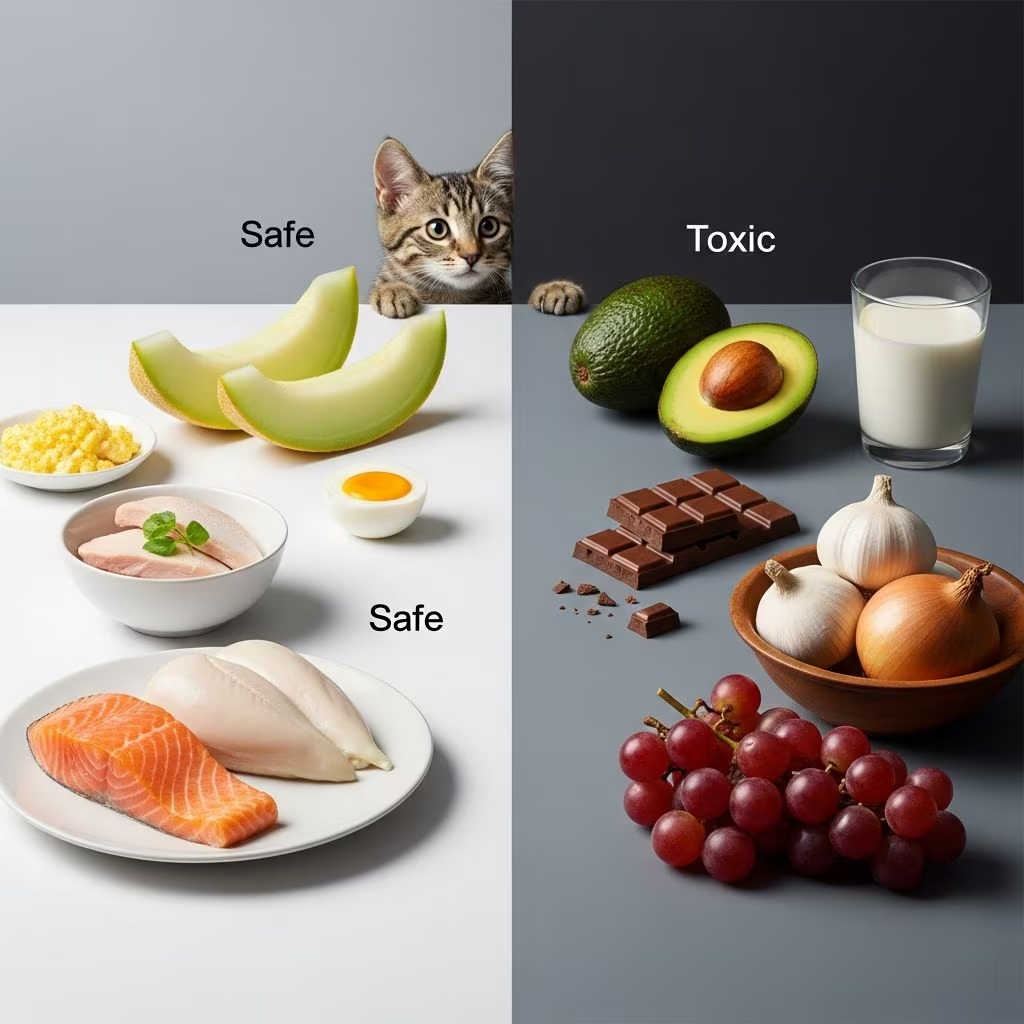
What Can Cats Not Eat: A Complete Guide to Feline Nutrition Safety
As a responsible cat owner, understanding which foods are safe and which are dangerous for your feline companion is essential to their health and longevity. Cats have unique nutritional requirements and metabolic processes that differ significantly from humans and even dogs. Many common household foods and plants that humans consume regularly can cause serious harm to cats, ranging from mild digestive upset to life-threatening poisoning. This comprehensive guide explores the foods and substances that cats should absolutely never consume, helping you create a safer environment for your beloved pet.
Why Cats Have Different Dietary Needs
Cats are obligate carnivores, meaning their bodies are designed to thrive on a diet primarily composed of animal proteins. Unlike humans and some other animals, cats lack certain enzymes and metabolic pathways that would allow them to safely process certain foods. Their livers are particularly sensitive to certain compounds, and their digestive systems process foods differently than other species. This fundamental biological difference is why many foods that seem harmless to us can actually be toxic to cats. Understanding this distinction is the first step toward keeping your cat healthy and preventing accidental poisoning.
Toxic Fruits and Their Dangerous Parts
While some fruits can be offered to cats in moderation, several varieties contain toxic compounds that can cause serious health issues. It’s important to recognize that different parts of the same fruit may pose different levels of danger.
Peaches
Peaches are particularly problematic for cats. The stems, leaves, and pits contain cyanide, a deadly toxin that can cause serious harm or even be fatal. The pits pose an additional choking hazard. While the flesh of the peach itself may not contain cyanide in high concentrations, it can still cause gastrointestinal issues in cats. The highest concentration of cyanide is found in the peach pit, and when chewed or broken, the pit releases the toxin, making it extremely dangerous for curious cats.
Plums
Similar to peaches, plums have stems, leaves, and pits that contain cyanide. The pits can also become choking hazards if your cat attempts to chew on them. Pet owners should ensure that plum trees and their fallen fruit are kept away from curious cats, and any plum-based products in the household should be stored securely out of reach.
Cherries
Cherries present a similar risk to peaches and plums. Every part of the cherry plant except the flesh contains cyanide, making them unsuitable for feline consumption. The pits are particularly dangerous as they can cause choking and release cyanide when broken.
Vegetables and Plants to Avoid
Rhubarb Leaves
Rhubarb leaves contain high levels of oxalic acid, which can cause serious digestive upset and kidney issues in cats. While the stalks contain lower concentrations of oxalic acid, it’s safest to avoid giving cats any part of the rhubarb plant. Even small amounts can cause discomfort and potentially serious health complications in susceptible cats.
Raw or Undercooked Potatoes
Uncooked potatoes should never be given to cats as they contain solanine, a toxic chemical compound. This alkaloid can cause nausea, seizures, and other neurological symptoms in cats. Even though cooked potatoes are generally safer, it’s best to avoid them altogether unless specifically recommended by your veterinarian for a particular health reason.
Garlic and Onions
Both garlic and onions, whether raw, cooked, or powdered, contain compounds called thiosulfates that damage feline red blood cells and can lead to hemolytic anemia. These vegetables can be found in many prepared human foods, soups, and sauces, so it’s important to check ingredients carefully before sharing any human food with your cat.
Protein-Based Foods and Raw Ingredients
Raw or Undercooked Meat
While cats are carnivores and meat is part of their natural diet, raw or undercooked meat contains harmful bacteria and parasites that can make both cats and humans sick. Pathogens such as E. coli, Salmonella, and Listeria can be present in raw meat and cause serious gastrointestinal infections. Additionally, some parasites found in raw meat can pose health risks. Always ensure that any meat provided to cats is thoroughly cooked to eliminate these dangerous microorganisms.
Harmful Additives and Preservatives
Many human foods contain artificial ingredients, preservatives, and additives that are not suitable for cats. These include artificial colors, flavors, and chemical preservatives. While cats may not have allergies to these substances, some cats can develop ingredient sensitivities caused by food additives that may show up as gastrointestinal disturbances like nausea, loose stool, or gas. When choosing commercial cat food, always look for products with minimal additives and a short, recognizable ingredient list.
Substances That Should Never Be Given to Cats
Chocolate
Chocolate contains theobromine and caffeine, compounds that cats cannot metabolize efficiently. These substances can cause heart problems, tremors, and seizures. Dark chocolate and baking chocolate are particularly dangerous due to their higher concentration of theobromine. Even small amounts of chocolate can be problematic for cats.
Caffeine
Caffeine in any form—whether from coffee, tea, energy drinks, or certain medications—can cause rapid heart rate, tremors, and restlessness in cats. Cats are far more sensitive to caffeine than humans, making even small amounts potentially dangerous.
Alcohol
Alcohol is toxic to cats and can cause intoxication, which may lead to vomiting, diarrhea, tremors, and even respiratory depression. Even small amounts of alcohol can be harmful to cats due to their body size and metabolism.
Xylitol
This artificial sweetener, commonly found in sugar-free products, can cause rapid insulin release in cats, leading to hypoglycemia (low blood sugar). It can also cause liver damage. Any product sweetened with xylitol should be kept completely away from cats.
Foods That May Seem Safe But Are Dangerous
Grapes and Raisins
While the exact mechanism is not fully understood, grapes and raisins are toxic to cats and can cause kidney failure. Even small amounts should be avoided, and any accidental ingestion should be reported to a veterinarian immediately.
Nuts, Particularly Macadamia Nuts
Macadamia nuts are particularly toxic to cats and can cause weakness, depression, vomiting, and tremors. Other nuts may pose choking hazards or cause digestive upset, so it’s best to keep all nuts away from cats.
Avocado
Avocados contain persin, a fungicidal toxin that can cause vomiting and diarrhea in cats. While the toxicity level may be lower in cats than in some other animals, it’s still best to avoid feeding avocado to your feline companion.
Understanding Symptoms of Food Poisoning
Recognizing the signs of poisoning is crucial for getting your cat timely medical help. Common symptoms of food poisoning or toxin ingestion in cats include vomiting, diarrhea, lethargy, loss of appetite, drooling, difficulty breathing, tremors, seizures, or changes in behavior. If your cat exhibits any of these symptoms after eating something unknown or potentially toxic, contact your veterinarian or the Pet Poison Helpline immediately.
What to Do If Your Cat Eats Something Toxic
If you suspect your cat has consumed a toxic food or substance, act quickly. First, remove any remaining toxic substance from your cat’s reach. Do not induce vomiting unless specifically instructed by a veterinarian, as some toxins can cause additional damage if vomited. Call your veterinarian or the Pet Poison Helpline (855-764-7661; a fee applies) immediately for guidance. Provide information about what was eaten, when it was eaten, and how much your cat may have consumed. Have your cat’s weight available, as treatment recommendations are often based on body weight.
Best Practices for Feline Food Safety
Read Labels Carefully
Always read the ingredient labels on commercial cat food to ensure they meet AAFCO nutritional standards and don’t contain harmful ingredients. Look for foods with recognizable ingredients and minimal artificial additives.
Store Foods Securely
Keep all potentially toxic foods in sealed containers and stored in locations where your cat cannot access them. Be especially careful with chocolate, alcohol, and foods containing xylitol.
Educate Household Members
Make sure everyone in your household understands which foods are dangerous for cats and agrees not to share human food with your pet without permission.
Monitor Outdoor Access
If your cat has outdoor access, be aware of toxic plants and fruits in your yard or neighborhood. Regularly inspect the area for fallen fruit from trees like peaches or plums.
Frequently Asked Questions About Foods Cats Cannot Eat
Q: Can cats eat a small piece of chocolate?
A: No, cats should never consume chocolate in any amount. Even small pieces can be toxic due to their inability to metabolize theobromine and caffeine efficiently. Dark chocolate and baking chocolate are especially dangerous.
Q: What should I do if my cat accidentally eats a grape?
A: Contact your veterinarian or the Pet Poison Helpline immediately. While a single grape may not cause immediate harm, grapes are toxic to cats and can cause kidney failure. Professional guidance is important even for accidental ingestion.
Q: Are all nuts dangerous for cats?
A: While not all nuts are equally toxic, most should be avoided. Macadamia nuts are particularly dangerous, and others can cause choking hazards or digestive upset. It’s safest to keep all nuts away from cats.
Q: Can I give my cat cooked chicken?
A: Yes, plain cooked chicken without seasoning, bones, or skin is generally safe for cats in moderation. However, always ensure it’s boneless and free from garlic, onion, or other seasonings.
Q: How quickly do poisoning symptoms appear in cats?
A: The timing depends on the toxin and amount consumed. Some symptoms appear within minutes, while others may take hours or even days. If you suspect poisoning, don’t wait for symptoms to appear—contact a veterinarian immediately.
Q: Is it safe to give my cat table scraps?
A: Most table scraps should be avoided as they may contain seasonings, spices, or ingredients toxic to cats. Additionally, human food can contribute to obesity and nutritional imbalances in cats.
References
- Toxic Foods for Pets — Chewy Education. 2024. https://www.chewy.com/education/dog/food-and-nutrition/toxic-foods-for-pets
- What Human Foods Can Cats Eat? — Chewy Education. 2024. https://www.chewy.com/education/cat/food-and-nutrition/what-human-foods-can-cats-eat
- What Are Food Allergies in Cats? What Are the Signs? — Chewy Education. 2024. https://www.chewy.com/education/cat/food-and-nutrition/food-allergies-in-cats
- 5 Things to Avoid When Choosing a Wet Cat Food — Chewy Education. 2024. https://www.chewy.com/education/cat/food-and-nutrition/5-things-to-avoid-when-choosing-a-wet-cat-food
- Your Complete Guide to the Best High-Quality Cat Food — Chewy Education. 2024. https://www.chewy.com/education/cat/food-and-nutrition/your-complete-guide-to-the-best-high-quality-cat-food
- Cat Nutrition: What Is Complete and Balanced Cat Food? — Chewy Education. 2024. https://www.chewy.com/education/cat/food-and-nutrition/cat-nutrition
- How Much to Feed a Cat: Portions, Calories, and More — Chewy Education. 2024. https://www.chewy.com/education/cat/food-and-nutrition/how-much-should-i-feed-my-cat



