

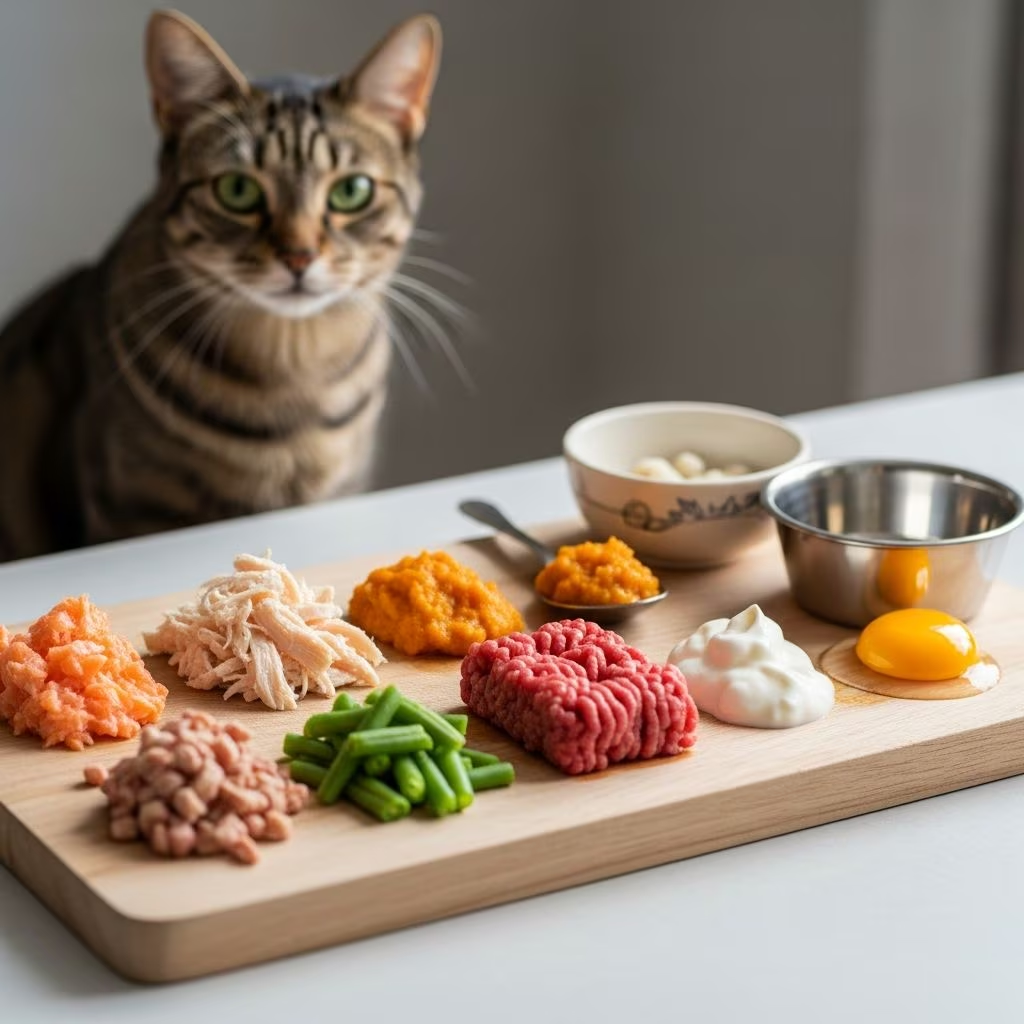
Cats are obligate carnivores, meaning their health depends on a meat-based diet rich in essential nutrients like taurine and arginine to prevent serious conditions such as heart disease and blindness. This guide explores everything from complete cat foods and life-stage feeding to safe treats and human foods your cat can enjoy in moderation, ensuring a balanced diet tailored to their needs.
The Best Diet for Your Cat
A balanced diet is crucial for preventing obesity-related issues like diabetes and arthritis, so regularly weigh your cat and adjust portions accordingly. Commercial cat foods are formulated to provide all necessary nutrients, but choosing the right one involves checking labels for complete and balanced nutrition specific to your cat’s life stage.
Wet Food vs Dry Food
Your cat can thrive on wet food, dry kibble, or a mix of both, as long as portions align with daily calorie needs. Wet food offers hydration benefits, ideal for cats prone to urinary issues, while dry food is convenient for free-feeding or dental health. Consult your vet for preferences based on your cat’s health.
Feeding Your Kitten
Kittens require specialized food until at least one year old (or six months transitioning to neutered adult formulas) to support rapid growth, with higher protein, fat, and calorie content. Start with soft, digestible foods from three weeks, supplementing mother’s milk, then provide small, frequent meals—up to four daily until four months, reducing to two or three by six months.
When bringing a kitten home at 8-12 weeks, maintain their current diet to avoid tummy troubles, introducing changes gradually over 7-10 days. Begin with small amounts of new food separately (days 1-4), then increase while decreasing old food (days 5-10), respecting their texture preferences.
- Feed little and often with ultra-digestible kitten food for stable energy.
- Ensure constant access to fresh water.
- Avoid sudden diet changes to prevent digestive upset and aid toilet training.
Feeding Adult Cats
Adult cats (1-11 years) need maintenance formulas with balanced protein for muscle health, fats for energy, and minimal carbs. Feed two meals daily or allow grazing if overweight risks are low, adjusting for activity level, neuter status, and breed.
Monitor weight weekly; reduce calories if needed to maintain ideal body condition where you can feel ribs without excess fat.
Senior Cat Nutrition
From age 11+, senior diets may include joint-supporting glucosamine, lower calories for reduced activity, and kidney-friendly proteins, though differences from adult foods are minimal.[10] Consult vets for tailored plans, as older cats benefit from softer textures and added omega fatty acids for coat and mobility.
Healthy Treats for Cats
Treats should not exceed 10-15% of daily calories; reduce main meals on treat days to avoid weight gain. Opt for low-calorie, nutrient-dense options over commercial high-fat varieties.
- Cooked white fish, chicken breast, or turkey breast (plain, boneless).
- Commercial cat treats in moderation.
- Use puzzle feeders for mental stimulation and exercise.
Avoid raw meat due to risks like toxoplasmosis, high-fat treats, and milk (lactose intolerance causes diarrhea).
Safe Fruits and Vegetables for Cats
While not essential, small amounts of certain produce can provide fiber and hydration as low-calorie treats. Always wash, deseed, and serve plain in tiny portions to prevent digestive issues.
| Vegetables | Fruits |
|---|---|
| Cucumber (hydrating slices) | Bananas (small pieces) |
| Pumpkin (cooked, plain for digestion) | Strawberries (hulled, chopped) |
| Broccoli (tiny florets; limit to avoid gas) | Blueberries (antioxidant boost) |
| Carrots (steamed, mashed) | Melon (deseeded, cubed) |
| Asparagus (steamed tips) | Watermelon (deseeded rind-free) |
| Peas (plain, podless) | Apples (deseeded, no core) |
Introduce one at a time, watching for allergies or upset stomachs. These are supplements, not meal replacements.
Foods to Avoid
Many human foods are toxic or unhealthy for cats. Steer clear of chocolate, onions, garlic, grapes, xylitol, and fatty scraps, which can cause poisoning, anemia, or pancreatitis.
- Dairy: Cow’s milk causes lactose intolerance; opt for lactose-free cat milk sparingly.
- Raw meats/eggs: Bacterial risks like salmonella.
- Bones: Splintering hazard.
- High-carb foods: Lead to obesity as cats inefficiently process carbs.
How Often Should You Feed Your Cat?
Kittens: 3-4 meals/day until 4 months, then 2-3. Adults: 2 meals or free-feed dry food if not prone to overeating. Seniors: Smaller, frequent meals for digestion. Always provide fresh water and adjust for lifestyle changes like neutering, which reduces calorie needs by 20-30%.
Cat Weight Management
Obesity affects 60% of cats; use body condition scoring—ribs palpable without fat pads. Tailor diets by age, breed, activity: high-protein for active cats, lower-cal for indoors. Combine with play for exercise.
Transitioning Cat Foods
Gradual 7-10 day switch prevents refusal or diarrhea: 25% new/75% old (days 1-2), 50/50 (3-4), 75/25 (5-6), 100% new (7+).
Frequently Asked Questions
Can cats eat milk?
Most can’t digest cow’s milk due to lactose; it causes diarrhea. Lactose-free cat milk is safer but high-calorie—use sparingly.
Is wet food better than dry for cats?
Both are fine if complete; wet aids hydration, dry supports teeth. Mix for variety per vet advice.
How much should I feed my kitten?
Follow packet guidelines based on weight/age; 3-4 small meals daily with growth monitoring.
Are grain-free foods best for cats?
Not necessarily; discuss with vet as they may use alternatives like lentils linked to heart risks in some studies.
Can cats have raw diets?
Possible but risky due to bacteria; ensure vet-approved, balanced formulas mimicking wild prey.
What if my cat is overweight?
Switch to weight management food, reduce treats, increase play. Vet consultation for personalized plan.
This guide ensures your cat gets optimal nutrition. Always consult a vet for specific health concerns.
References
- The best diet for your cat — PDSA. 2023. https://www.pdsa.org.uk/pet-help-and-advice/looking-after-your-pet/kittens-cats/the-best-diet-for-your-cat
- Feeding Your Kitten — Cinque Ports Vets. 2024. https://www.cinqueportsvets.co.uk/client-care/pet-health-advice/cat-advice/425-feeding-your-kitten
- Cat Weight Management — Maggie and Marlow. 2025. https://www.maggieandmarlow.co.uk/our-services/weight-management/cat-weight-management
- Cat Food 101: How to Pick the Right Food for Your Cat — Kinship. 2024. https://www.kinship.com/cat-nutrition/how-to-choose-cat-food
- Feeding guides for cats & kittens — UK Pet Food. 2024. https://www.ukpetfood.org/pet-care-advice/cat-health-nutrition-advice/feeding-guides-for-cats-kittens.html
- Feeding Your Cat — Cats Protection. 2023. https://www.cats.org.uk/help-and-advice/diet/feeding



