

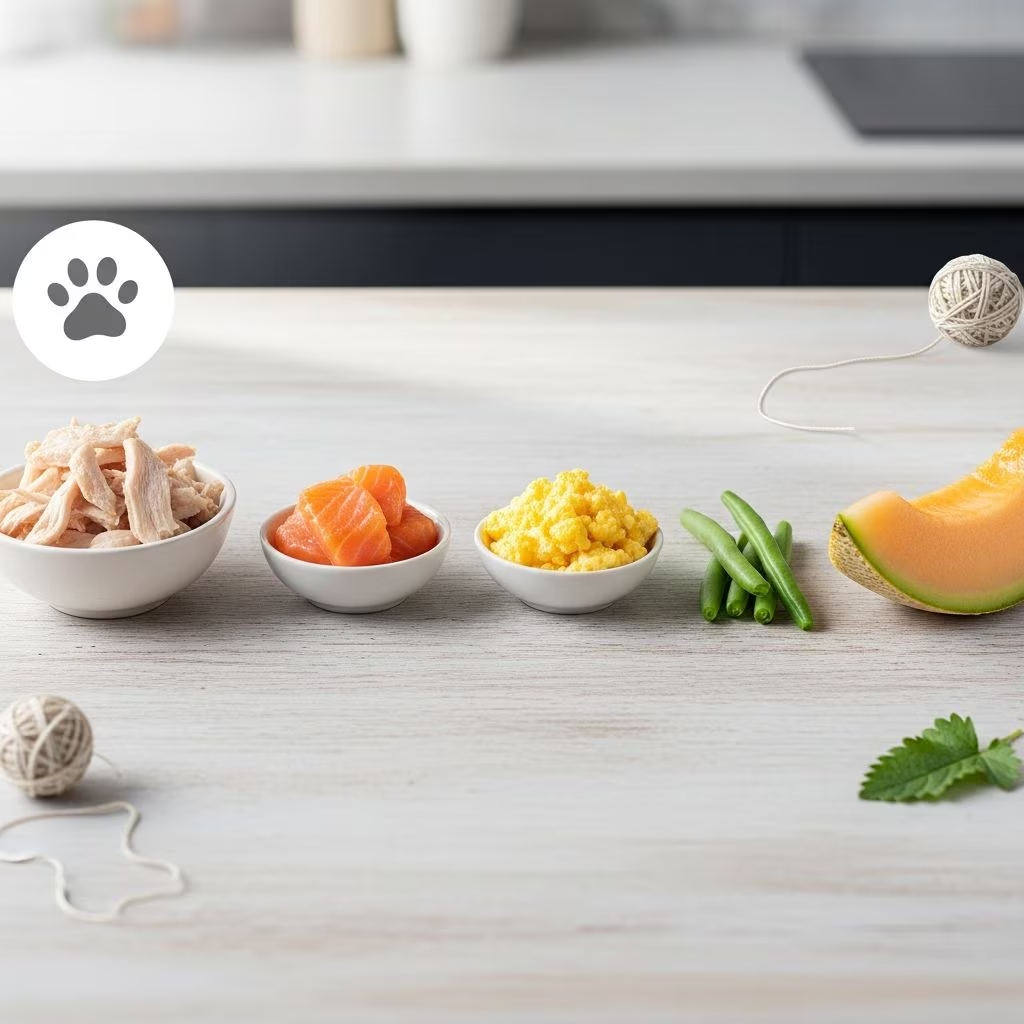
Cats are obligate carnivores, meaning their diet should primarily consist of meat-based proteins from high-quality commercial cat food formulated to meet their unique nutritional needs. However, many cat owners wonder about offering safe human foods as occasional treats or meal toppers when their pet shows interest or during times of food shortage. While cat food remains the cornerstone of a feline diet, certain human foods can be shared sparingly without harm, provided they are prepared correctly and given in moderation.
This comprehensive guide breaks down safe options into categories: meats and fish, vegetables, fruits, grains, and dairy or other foods. Always consult your veterinarian before introducing new foods, especially for cats with health conditions, allergies, or specific dietary restrictions. Overfeeding treats can lead to obesity, nutritional imbalances, or digestive issues.
What Can Cats Eat Besides Cat Food: Safe Options
Not all human foods are suitable for cats. Many everyday ingredients like onions, garlic, chocolate, grapes, and xylitol-sweetened products are toxic and can cause severe illness or death. Stick to vet-approved options and limit treats to no more than 10% of your cat’s daily caloric intake to avoid displacing essential nutrients from their regular diet.
To make selection easy, we’ve categorized safe foods below with preparation instructions, benefits, and precautions.
Meat and Fish
Meats and fish align best with a cat’s carnivorous nature, providing high-quality protein, taurine, and essential fatty acids vital for heart health, vision, and coat condition. Offer plain, cooked varieties without seasonings, oils, or bones.
- Chicken: A staple in many cat foods, boneless, skinless chicken breast or thighs are lean protein sources rich in vitamin B12 for immune and nervous system support. Boil, bake, or grill thoroughly to kill bacteria like salmonella. Shred into small pieces; avoid raw or seasoned chicken.
- Turkey: Similar to chicken, turkey offers lean protein. Use white meat over skin to limit fat. Cook fully, debone, and chop into bite-sized pieces. Ideal for allergy-friendly variety but skip for cats with poultry sensitivities.
- Salmon: Packed with omega-3 fatty acids for skin, coat, and anti-inflammatory benefits. Cook thoroughly, remove skin, head, and bones. Limit to occasional treats to prevent thiamine deficiency from raw fish or mercury buildup.
- Canned Tuna in Water: Cats love the flavor and it provides protein, vitamins, and antioxidants. Use only in water (not oil or brine), sparingly due to mercury risks—avoid bluefin varieties. Not for daily feeding.
- Beef: Lean cuts like sirloin offer iron and protein. Cook plainly and trim fat to prevent pancreatitis.
- Organ Meats (e.g., Liver, Kidneys): Nutrient-dense with folate and fatty acids. Cook well; limit to small amounts weekly to avoid vitamin A toxicity.
- Shrimp, Lamb, Pork: Cooked, peeled shrimp provides protein; lamb and lean pork are options in moderation. Remove shells and shells to avoid choking.
Vegetables
Vegetables offer fiber, vitamins, and hydration but aren’t essential for cats, who derive little nutritional benefit from plant matter. Excess can cause vomiting, diarrhea, gas, or discomfort due to poor carb digestion. Use as rare toppers, steamed or pureed.
- Carrots: Cooked and mashed for vitamin A; raw is crunchy but harder to digest.
- Peas: Provide fiber, vitamins A, C, K, iron, and potassium. Offer fresh or steamed, a few at a time weekly.
- Green Beans: Low-calorie fiber source. Steam, bake, or serve raw based on preference; moderation key.
- Broccoli: Antioxidants and fiber; steam florets finely chopped.
- Pumpkin: Aids digestion with fiber and fatty acids. Use plain canned (not pie filling) or cooked fresh, mashed.
- Zucchini: Hydrating with fiber; shred raw or cook.
- Spinach: Occasional for vitamins; cook to reduce oxalates.
- Cucumbers: Refreshing hydration snack; slice or shred raw.
Fruits
Cats lack sweet taste receptors and inefficiently digest carbs, so fruits provide minimal benefits beyond occasional fiber and hydration. Remove seeds, pits, and rinds; offer tiny portions.
- Apples: Peeled, cored slices for fiber; no seeds (cyanide risk).
- Blueberries: Antioxidants; 1-2 whole as treats.
- Strawberries: Chopped for hydration and vitamin C.
- Bananas: Small slices or mashed; high sugar, so sparingly.
- Watermelon: Seedless rind removed for hydration and potassium.
- Pears, Cantaloupe, Peaches: Peeled, pitted, diced occasionally.
- Raspberries: Fiber and vitamins A/K; 1-2 pieces.
Grains
Grains supply fiber and carbs in commercial foods but hold little value standalone for cats. Avoid as primary treats.
- Oatmeal: Plain, cooked with water (no milk due to lactose intolerance); tiny amounts for fiber.
- Bread: Plain, small crusts rarely; no fillers or additives.
- Other grains like rice can be bland binders but aren’t recommended routinely.
Dairy and Other Foods
Most adult cats are lactose intolerant, causing diarrhea. Opt for alternatives.
- Cheese/Yogurt: Small amounts of low-lactose varieties like hard cheese or Greek yogurt occasionally.
- Eggs: Cooked yolks for protein; fully boiled/scrambled, no raw.
- Baby Food: Plain meat-based only; avoid onion/garlic varieties.
Conclusion
While cats thrive on balanced commercial diets meeting AAFCO standards (at least 26% protein), safe human foods like cooked meats, select veggies, and fruits can add variety as treats. Prioritize preparation: cook meats, chop small, remove hazards, and limit portions. Monitor for allergies, digestive upset, or weight gain. If your cat refuses food, consult a vet promptly—issues like dental pain or illness may underlie. For emergencies or run-outs, boiled chicken or kitten food serves temporarily, but revert to proper cat food soon.
Frequently Asked Questions (FAQs)
Q: Can cats eat only human food instead of cat food?
A: No, human foods lack taurine and balanced nutrients; long-term use risks malnutrition, heart disease, and blindness.
Q: Is raw meat safe for cats?
A: Generally no—risks bacterial contamination like salmonella. Cook thoroughly.
Q: How often can I give treats like tuna?
A: Occasionally, not daily, to avoid mercury poisoning.
Q: Are all veggies safe?
A: No, only listed non-toxics sparingly; others like onions are poisonous.
Q: What if my cat has allergies?
A: Test tiny amounts; avoid allergens like specific fish or poultry. Vet guidance essential.
References
- What Can Cats Eat Besides Cat Food? Vet-Verified Nutrition Guide — Catster. 2023. https://www.catster.com/nutrition/what-can-cats-eat-besides-cat-food/
- 16 Fruits & Vegetables That Cats Can Eat: Vet-Reviewed Facts & Tips — Catster. 2023. https://www.catster.com/nutrition/fruits-and-vegetables-cats-can-eat/
- 9 Human Foods That Cats Can Safely Eat: Vet-Reviewed Dishes — Catster. 2023. https://www.catster.com/nutrition/human-foods-safe-for-cats/
- Can Cats Eat Baby Food? Vet-Reviewed Facts & FAQ — Catster. 2023. https://www.catster.com/cat-health-care/can-cats-eat-baby-food/
- Cat Food Alternatives When You’ve Run Out — Catster YouTube. 2023. https://www.youtube.com/watch?v=L4xdLmOM238



