

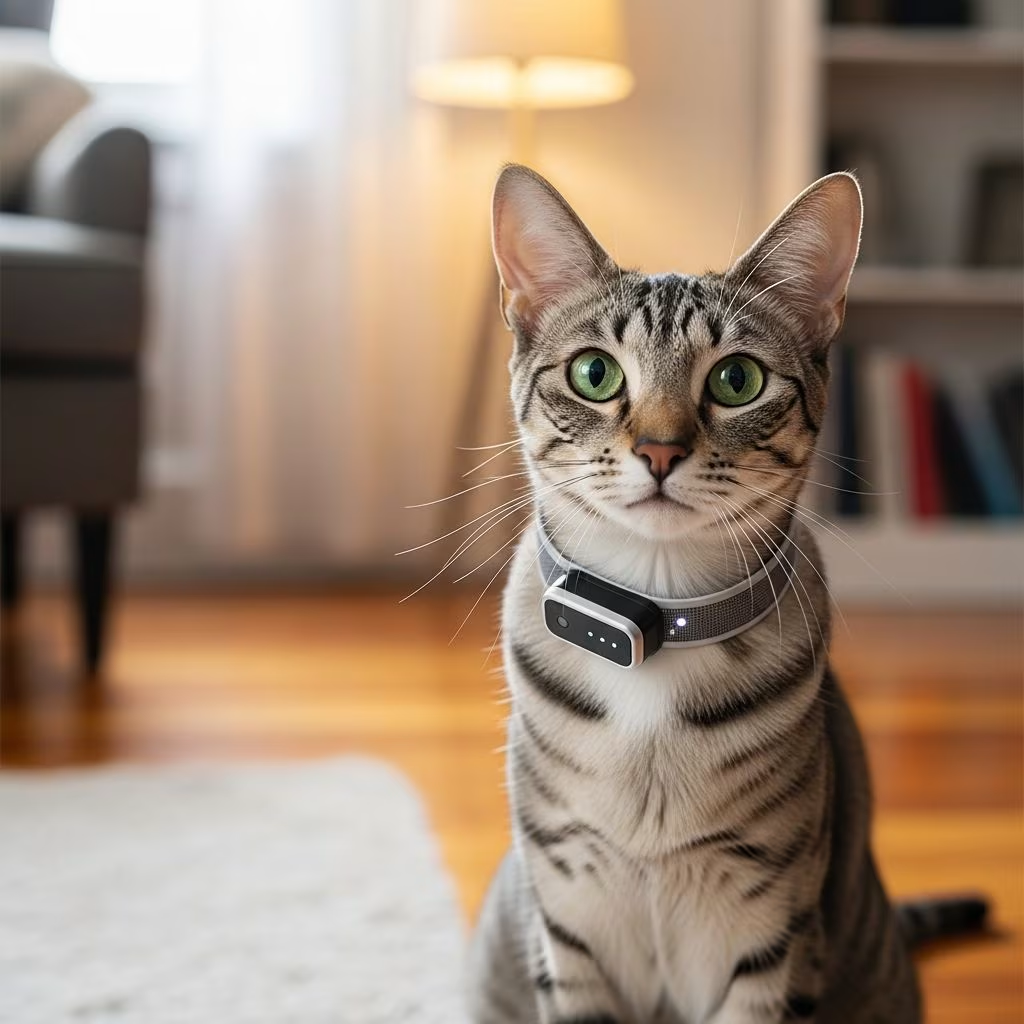
E-collars, commonly known as cones or Elizabethan collars, are essential protective devices designed for cats recovering from surgery, injuries, or skin conditions. These collars prevent cats from licking, biting, scratching, or rubbing wounds, which can lead to infections, delayed healing, or the need for additional treatments. While often disliked by pets and owners alike, E-collars play a critical role in ensuring smooth recovery by acting as a barrier to self-trauma.
Cats instinctively lick irritated areas as a way to soothe themselves, but this behavior introduces bacteria and disrupts stitches. Veterinary professionals frequently prescribe E-collars after procedures like spaying, neutering, tumor removal, or for managing allergies and hotspots. Proper use of an E-collar can significantly reduce the risk of complications, making it a staple in post-operative care.
Why Do Cats Need E-Collars?
Cats require E-collars primarily to protect surgical sites, wounds, or irritated skin from their natural grooming instincts. Licking a fresh incision can reopen stitches, introduce harmful bacteria, or cause inflammation, potentially leading to infections that necessitate antibiotics or re-surgery. For instance, after spay or neuter surgeries, the abdominal area is particularly vulnerable, and without protection, healing can be prolonged.
Beyond surgery, E-collars are vital for:
- Skin conditions: Allergies, dermatitis, ringworm, or hotspots cause intense itching, leading to scratching and secondary wounds.
- Injuries: Cuts, abscesses, or trauma sites where pawing or biting could worsen damage.
- Eye or ear issues: Preventing rubbing that could aggravate infections or injuries.
- Hot spots or parasites: Stopping self-inflicted trauma while underlying treatments take effect.
According to veterinary guidelines, even a single lick can compromise recovery by reintroducing bacteria to a healing site. E-collars ensure predictable healing timelines, minimize emergency vet visits, and avoid the need for re-stitching.
Types of E-Collars for Cats
Several types of E-collars exist, each suited to different needs based on the injury location, cat’s size, and temperament. Traditional hard plastic cones remain the gold standard for full protection, but softer, more comfortable alternatives are increasingly popular.
| Type | Description | Best For | Pros | Cons |
|---|---|---|---|---|
| Traditional Hard Plastic Cone | Rigid plastic ‘lampshade’ secured with straps around the neck. | Full-body protection, post-abdominal surgery. | Most effective barrier; sturdy and affordable. | Bulky; can impair eating/vision. |
| Soft Foam Cone (e.g., Comfy Cone) | Padding nylon, foam-backed, reversible with Velcro closures. | Extended wear; shoulder/back injuries. | Comfortable, water-resistant, claw-proof. | May invert; less rigid protection. |
| Inflatable Collar | Air-filled donut shape around the neck. | Neck/shoulder areas; less vision block. | Cushion-like; allows peripheral vision. | Not for deep wounds; can deflate. |
| Calming Soft Collar (e.g., KVP Calmer) | Soft cone with EasyFeed opening and calming lining. | Eating/drinking issues; stress-prone cats. | Easy adjustments; reduces anxiety. | Requires monitoring for fit. |
| Recovery Suit/Medical Pet Shirt | Full-body fabric coverall. | Abdominal/flank surgeries; body wounds. | Allows mobility/grooming; non-intrusive. | Not for neck/head; laundry needed. |
Choosing the right type depends on the protected area. Vets consider the cat’s temperament and client preferences when recommending options. Soft collars like the Comfy Cone are ideal for cats needing long-term wear due to their adjustability and ease of cleaning.
How to Properly Fit an E-Collar on Your Cat
A well-fitted E-collar is snug but comfortable, preventing removal while allowing basic functions. Measure your cat’s neck circumference and extend the cone’s outer edge 1-2 inches past the nose tip to block access to the body.
- Neck fit: Slide 1-2 fingers under the collar edge; it should be secure but not tight.
- Length: Ensure the cone reaches beyond the nose when the head is turned backward.
- Security: Use all straps; double-check for pawing escape.
- Adjust for type: Soft cones may need reversing for certain injuries.
Improper fit can allow licking or cause chafing. Test by observing if your cat can reach the site with tongue or paws. For hard cones, proper positioning prevents wall-bumping; soft ones tolerate inversion better.
Tips for Helping Your Cat Adjust to an E-Collar
Cats often find E-collars stressful initially due to altered vision, hearing, and mobility. Acclimate them proactively to reduce anxiety.
- Pre-introduction: Practice wearing during non-stressful times with treats and play for positive association.
- Supervised breaks: Remove briefly under direct watch if vet-approved, never leaving alone initially.
- Environment tweaks: Block tight spaces under furniture to prevent getting stuck; elevate food/water bowls.
- Comfort aids: Use pheromone diffusers or calming collars alongside; hand-feed if eating is hard.
- Monitor behavior: Watch for refusal to eat, litter avoidance, or distress; consult vet if persistent.
Many cats adapt within hours to days. Positive reinforcement speeds this up, ensuring better compliance and recovery.
Pros and Cons of E-Collars for Cats
E-collars offer clear benefits but come with challenges.
Pros
- Prevents licking/scratching, promoting faster healing.
- Reduces infection risk and re-surgery needs.
- Lightweight, cleanable, and affordable.
- Life-saving in severe cases by averting complications.
Cons
- Causes initial stress, disorientation, or frustration.
- May hinder eating, drinking, sleeping, or navigation.
- Can lead to behavioral changes like hiding or reduced appetite.
- Bulky designs bump into objects or doorways.
Weighing these, the protective advantages typically outweigh discomfort, especially short-term.
Alternatives to Traditional E-Collars
If cones prove too distressing, consider vet-recommended alternatives:
- Recovery suits: Cover incisions without head restriction; ideal for body surgeries.
- Inflatable collars: Softer, vision-friendly for neck areas.
- Soft e-collars: Padded for comfort during extended use.
- T-shirts or bandages: Simple for minor back/shoulder wounds.
Always vet-approve alternatives to ensure adequate protection. No option is universally superior; selection matches the specific case.
Frequently Asked Questions (FAQs)
What are E-collars for cats used for?
E-collars prevent cats from licking or scratching surgical wounds, injuries, or skin irritations, aiding safe healing.
How long should my cat wear the cone?
Typically 7-14 days post-surgery or until vet clearance; continuous wear is best unless supervised breaks are approved.
Can cats eat and drink with an E-collar?
Yes, with raised bowls or hand-feeding; designs like EasyFeed collars facilitate this.
Is it okay to take the cone off at night?
No, unless under strict supervision; removal risks licking and setbacks.
What if my cat hates the cone?
Try acclimation tips or alternatives; consult your vet for tailored solutions.
Do all cats need a cone after surgery?
Most do for incision protection, but temperament and procedure dictate necessity.
References
- Cone of Shame. Lampshade. The Benefits of an E-Collar — AHNA Veterinary Blog. 2020-05-11. https://www.ahna.net/site/blog-asheville-vet/2020/05/11/cone-of-shame-lampshade-the-benefits-of-an-e-collar
- Elizabethan Collars For Pets: Uses & FAQs — Dutch Pet Health Blog. Accessed 2026. https://www.dutch.com/blogs/general/elizabethan-collar
- Should My Cat Wear a Cone All Day? Vet-Approved Healing Guide — Pet Care Shed. Accessed 2026. https://petcareshed.com.au/blogs/pet-supplies/should-my-cat-wear-a-cone-all-day
- Is Your Cat Wearing a Cone? E-Collar Tips for Cats — ELVH Veterinary Clinic. Accessed 2026. https://elvh.ca/cat-cones/
- Benefits of Elizabethan Collars (Cones) — Kearney Area Animal Shelter. Accessed 2026. https://www.kearneyanimalshelter.com/resources/benefits-of-elizabethan-collars-cones



