

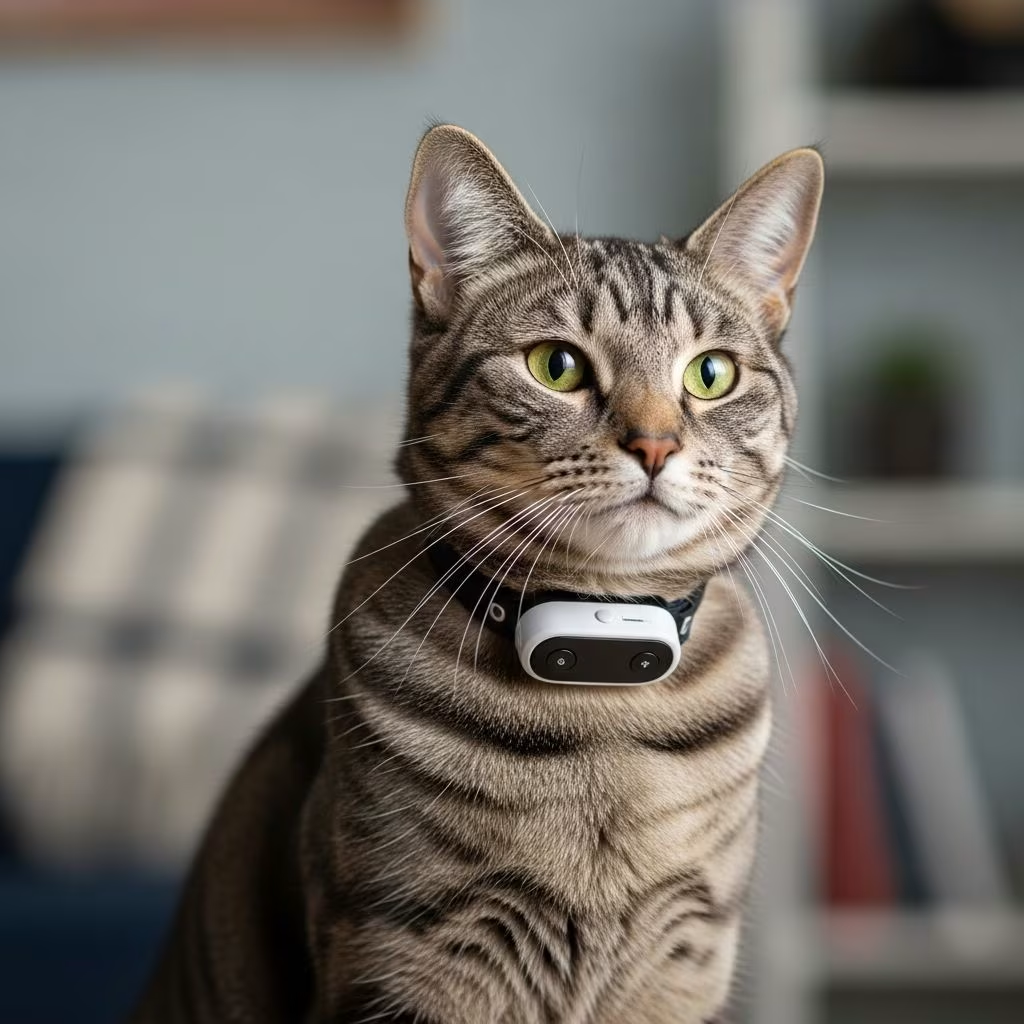
E-collars, also known as Elizabethan collars or “cones of shame,” are protective devices designed to prevent cats from licking, biting, scratching, or rubbing wounds, surgical sites, or irritated areas on their body. These collars are commonly prescribed by veterinarians after surgeries like spaying or neutering, for skin conditions, injuries, or infections to promote proper healing and avoid complications such as infections or reopened stitches.
Cats instinctively lick or chew at bothersome areas, which can introduce bacteria, delay recovery, or cause further injury. E-collars act as a barrier, allowing the skin or incision to heal undisturbed while minimizing stress on both the pet and owner.
Why Do Cats Need E-Collars?
Cats are natural groomers, using their rough tongues to clean wounds, but this behavior can be detrimental during recovery. Licking introduces saliva containing bacteria, potentially leading to infections, while excessive grooming can remove stitches or topical treatments.
Key reasons veterinarians recommend E-collars include:
- Post-surgical protection: After procedures like spay/neuter, tumor removal, or wound repair, to prevent self-trauma.
- Skin conditions: For allergies, dermatitis, hot spots, ringworm, or parasites causing itching and scratching.
- Injuries and infections: Eye, ear, or paw injuries where pawing or rubbing could worsen damage.
- Behavioral issues: Excessive grooming or licking cycles in stress-related or pruritic conditions.
Without an E-collar, healing can take longer, require re-surgery, or lead to emergencies like abscesses. Studies and vet reports confirm that proper use eliminates self-trauma and facilitates faster recovery.
Types of E-Collars for Cats
Several E-collar varieties exist, each suited to different needs, sizes, and comfort levels. The classic hard plastic cone remains the gold standard for full protection, but softer options offer alternatives.
Common types include:
- Traditional Hard Plastic Cone (Elizabethan Collar): Rigid plastic “lampshade” provides maximum coverage, preventing reach to most body areas. Sturdy, affordable, and easy to clean, though bulky.
- Soft E-Collars: Fabric or foam versions that are more comfortable and less vision-obstructing. They can be inverted for extended wear and still block access effectively.
- Comfy Cone: Padded, foam-backed nylon cone that’s water-resistant, claw-proof, and adjustable for better mobility.
- Inflatable Collars: Donut-shaped cushions that limit neck bending without blocking vision; ideal for mild cases.
- Recovery Suits or Medical Pet Shirts: Full-body garments covering incisions, allowing grooming elsewhere and better litter box use, especially for abdominal surgeries.
| Type | Pros | Cons | Best For |
|---|---|---|---|
| Hard Plastic Cone | Full protection, inexpensive, durable | Bulky, vision/noise distortion | Surgeries, severe injuries |
| Soft Cone | Comfortable, less intrusive | May flip, less rigid protection | Short-term, mild cases |
| Inflatable | No vision block, cushioned | Not for front-body access | Back wounds, active cats |
| Recovery Suit | Full mobility, washable | Not for neck/head, sizing tricky | Abdominal/chest surgeries |
How to Properly Fit an E-Collar on Your Cat
A well-fitted E-collar is crucial for effectiveness and comfort. It should be snug but not tight, allowing 1-2 fingers between the collar and neck.
Fitting steps:
- Measure neck circumference: Use a soft tape; add 2-4 inches for overlap.
- Check length: Outer edge should extend 1-2 inches past nose tip to block access to the protected area.
- Secure evenly: Fasten straps or Velcro symmetrically; test by seeing if cat can reach the site with tongue or paw.
- Monitor adjustment: Re-check every few hours, especially if cat paws at it.
Improper fit leads to slippage or discomfort. Soft collars may work inverted if they still prevent licking.
Tips for Helping Your Cat Adjust to an E-Collar
Cats often dislike E-collars due to restricted vision, hearing changes, and navigation issues, leading to stress or refusal to eat.
Proven adjustment strategies:
- Pre-introduction: Acclimate during non-stressful times using treats and positive reinforcement before surgery.
- Supervised breaks: Short, monitored periods without the collar if vet-approved, to eat or use litter box.
- Environment tweaks: Block tight spaces to prevent getting stuck; elevate food/water bowls.
- Comfort aids: Use pheromone diffusers or calming treats; hand-feed if needed.
- Patience and monitoring: Most adjust in 24-48 hours; watch for distress like refusal to eat over 24 hours—consult vet.
Owners report that with these tips, cats experience minimal long-term stress, and benefits like protected healing outweigh temporary discomfort.
Potential Drawbacks and How to Address Them
While essential, E-collars have challenges:
- Navigation issues: Bumping into walls—dim lights and guide them initially.
- Eating/drinking difficulties: Use wide, raised bowls; assist feeding.
- Litter box avoidance: Switch to larger/open boxes; clean frequently.
- Stress/behavior changes: Monitor for aggression or hiding; provide safe spaces.
Not all cats need 24/7 wear—vet guidance on duration (typically 7-14 days) is key.
Alternatives to Traditional E-Collars
For cats intolerant to cones, alternatives provide similar protection with more comfort:
- Soft recovery suits: Cover body while allowing head grooming.
- Neck braces or pillows: Limit bending for back wounds.
- Clear plastic shields: Less disorienting with full visibility.
- Topical barriers: Bitter sprays (vet-approved only) combined with supervision.
Choose based on injury location and cat’s temperament; always vet-approved to ensure efficacy.
Frequently Asked Questions (FAQs)
Q: How long should my cat wear an E-collar?
A: Typically 7-14 days post-surgery or until vet clearance, but supervised breaks may be allowed. Continuous wear prevents complications.
Q: Can cats sleep with an E-collar on?
A: Yes, most do after adjustment. Provide a soft, open bed to avoid getting stuck.
Q: What if my cat won’t eat with the cone?
A: Offer soft food, hand-feed, or raise bowls. If persisting over 24 hours, contact vet for alternatives.
Q: Are soft cones as effective as hard ones?
A: Often yes for less severe cases, especially if fitted properly or inverted.
Q: When can I remove the E-collar?
A: Only when vet confirms healing, usually at follow-up. Premature removal risks infection.
Conclusion: Prioritizing Healing Over Discomfort
E-collars, despite their nickname, are vital tools for safe cat recovery. By understanding their use, fitting, and management, pet parents can minimize stress and maximize healing. Consult your vet for personalized advice to ensure your cat’s swift return to normalcy.
References
- Cone of shame. Lampshade. The Benefits of an E-Collar — AHNA. 2020-05-11. https://www.ahna.net/site/blog-asheville-vet/2020/05/11/cone-of-shame-lampshade-the-benefits-of-an-e-collar
- Elizabethan Collars For Pets: Uses & FAQs — Dutch. N/A. https://www.dutch.com/blogs/general/elizabethan-collar
- Should My Cat Wear a Cone All Day? Vet-Approved Healing Guide — Pet Care Shed. N/A. https://petcareshed.com.au/blogs/pet-supplies/should-my-cat-wear-a-cone-all-day
- Benefits of Elizabethan Collars (Cones) — Kearney Area Animal Shelter. N/A. https://www.kearneyanimalshelter.com/resources/benefits-of-elizabethan-collars-cones
- “The Cone of Shame”: Welfare Implications of Elizabethan Collar — PMC (NCBI). 2020. https://pmc.ncbi.nlm.nih.gov/articles/PMC7070745/
- Is Your Cat Wearing a Cone? E-Collar Tips for Cats — ELVH. N/A. https://elvh.ca/cat-cones/
- E-collars, Cones, and Suits — Animal Works Vets. N/A. https://animalworksvets.com/e-collars-cones-and-suits/



