

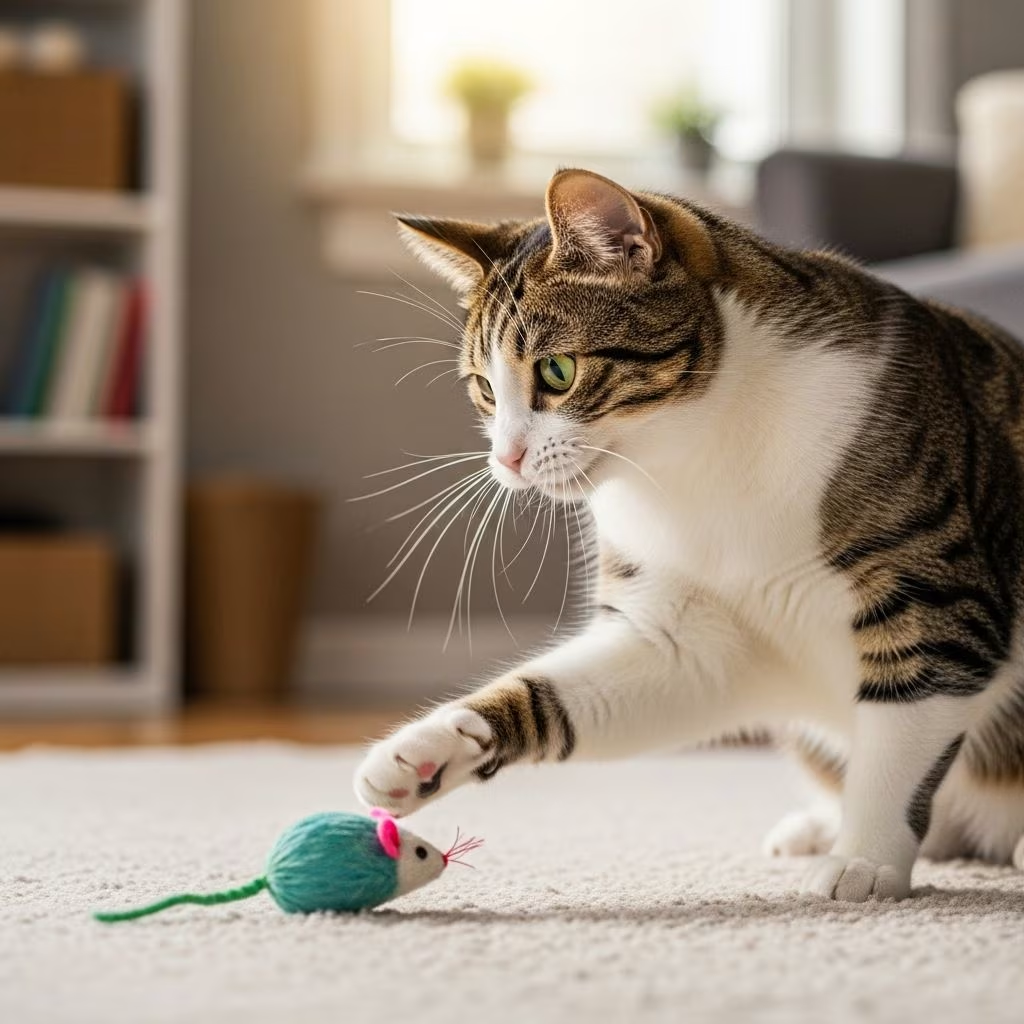
What Age Do Cats Stop Playing? Understanding Your Cat’s Playfulness Throughout Life
One of the most delightful aspects of cat ownership is watching your kitten bounce around with seemingly endless energy. However, as cats mature, their enthusiasm for play naturally begins to wane. Understanding when and why this transition occurs can help you better support your feline companion at every life stage. The answer isn’t as straightforward as pointing to a single age, but rather involves recognizing the gradual shifts that happen as cats progress from frisky kittens to content senior cats.
The Kitten Years: Maximum Energy and Playfulness
From birth until approximately one year of age, kittens experience some of the most dramatic changes in their development. During the first two months, newborn kittens are primarily focused on nursing and developing their coordination. Their movements are often awkward and uncoordinated as they explore their environment.
The three to six month period marks a significant shift in feline development. At this stage, kittens have been fully weaned and their hunting instincts are beginning to emerge. This is typically the most active and social period of a kitten’s life, with play sessions that seem to last for hours. Kittens at this age are driven by curiosity and the primal need to practice hunting behaviors, which manifests in pouncing, chasing, and batting at toys.
Between six months and one year, cats enter what could be termed their “teen years”. During this phase, cats are approaching sexual maturity and may exhibit territorial behaviors such as marking or increased aggression. Neutering or spaying during this period can significantly reduce hyperactive behaviors and help calm your young cat.
The Transition to Adulthood: When Play Begins to Decline
The period from one to two years old marks the transition into adulthood. While cats may retain considerable energy, they should become notably calmer than they were as kittens. By age two, most cats reach full maturity and their play behavior becomes more measured and controlled.
Between three and ten years of age, cats enter a relatively stable phase of life. They have adapted to their environment, established routines around eating and sleeping, and typically find contentment in their daily activities. During these years, the desire to play steadily decreases as cats become more passive. However, cats in this age range remain relatively active and maintain social bonds with their owners and other household pets.
The Mature and Senior Years: A Noticeable Shift
Research indicates that cats generally experience a subtle but noticeable decline in playtime starting between seven and ten years of age. This isn’t an abrupt change but rather a gradual shift where cats’ drive to stalk, hunt, and engage in active play sessions begins to decrease. During these mature adult years, nap time becomes increasingly important, and cats often prefer comfortable resting spots over vigorous activity.
When cats reach eleven years of age, they are considered seniors. At this life stage, the amount of activity decreases quite noticeably. It’s crucial to monitor your senior cat’s health, diet, and any behavioral changes during this period. That said, it’s important to distinguish between a decrease in play intensity and a complete cessation of activity. Many senior cats remain capable of playing but simply show less interest than they once did.
Why Cats Stop Playing: The Science Behind the Change
The decline in play behavior as cats age is driven by several biological and behavioral factors:
- Physical changes: As cats age, their joints become less flexible, and conditions like arthritis make vigorous play more uncomfortable
- Energy conservation: Senior cats require less overall energy and prefer to conserve it for essential activities like eating and self-care
- Cognitive shifts: Aging cats may experience changes in cognitive function, which can affect their motivation and interest in play
- Environmental adaptation: Mature cats have adapted to their surroundings and may find less novelty in their environment, reducing the stimulus that triggers play behavior
- Hormonal changes: The hormonal shifts that come with maturity naturally lead to calmer behavior patterns
Individual Variation: Not All Cats Follow the Same Timeline
While these age-related patterns are general guidelines, individual cats vary considerably in their playfulness. Some cats remain more playful throughout their lives, while others become lazier earlier. This variation depends on several factors:
- Breed tendencies and genetics
- Individual personality and temperament
- Overall health status and any chronic conditions
- Environmental enrichment and mental stimulation
- The quality of socialization and bonding with owners
Some cats can retain a respectable level of activity well into their senior years, while others may slow down more noticeably. It’s important to observe your individual cat’s behavior rather than assuming all cats of a certain age will behave identically.
Keeping Your Cat Active at Every Age
Understanding your cat’s natural play timeline doesn’t mean you should simply accept inactivity. Maintaining appropriate activity levels throughout your cat’s life offers numerous benefits:
- Weight management: Cats that don’t maintain adequate activity levels are prone to obesity, which can lead to various health problems
- Joint health: Regular activity, even at modest levels, helps maintain joint flexibility and can reduce arthritis symptoms in senior cats
- Mental stimulation: Play and exploration keep cats mentally engaged and can help prevent cognitive decline
- Bonding: Interactive play strengthens the relationship between you and your cat
- Sleep quality: Daytime and evening play sessions help establish healthy sleeping patterns and reduce nighttime restlessness
Adjusting Play Sessions for Different Life Stages
As your cat ages, the style and duration of play should evolve to match their changing abilities:
| Life Stage | Age Range | Activity Level | Play Style |
|---|---|---|---|
| Kittens | 0-12 months | Very High | Frequent, vigorous play sessions with toys that encourage pouncing and chasing |
| Young Adults | 1-3 years | High | Daily interactive play, varied toys, outdoor exploration if safe |
| Mature Adults | 3-10 years | Moderate | Regular but shorter play sessions, puzzle toys, gentle interactive play |
| Senior Cats | 11+ years | Low to Moderate | Brief, low-impact play, toys that don’t require jumping, mental stimulation through games |
Enrichment Ideas for Cats Losing Interest in Play
If your cat is entering the mature or senior phase and showing decreased interest in traditional play, consider these enrichment strategies:
- Window perches: Provide comfortable spots where cats can observe outdoor activity (bird watching)
- Food puzzles: Engage your cat’s mind through problem-solving toys that dispense treats or kibble
- Vertical spaces: Cats enjoy climbing and surveying their territory, even as they age
- Scent enrichment: Introduce new scents periodically to stimulate curiosity
- Soft toys: As cats age, they may prefer gentler toys to aggressive pouncing toys
- Grooming and petting: Physical affection can be more appealing than active play for senior cats
- Laser pointers: Low-impact chasing that doesn’t require jumping or running
Health Considerations for Aging Cats
As your cat ages and activity naturally decreases, it becomes increasingly important to monitor their health. Changes in play behavior can sometimes indicate underlying health issues. Visit your veterinarian if you notice:
- Sudden, dramatic decreases in activity beyond normal aging
- Limping or reluctance to move
- Changes in appetite or water consumption
- Increased vocalization or restlessness
- Changes in elimination habits or litter box use
- Signs of discomfort or pain during movement
Your veterinarian can identify medical problems such as arthritis, cognitive dysfunction, or other conditions that might be affecting your cat’s behavior.
When Hyperactivity Persists Beyond the Kitten Stage
Some cats don’t outgrow their hyperactive tendencies as expected. This persistent hyperactivity can result from several factors:
- Early weaning: Kittens separated from their mothers too soon may develop ongoing hyperactive behaviors
- Genetic factors: Some cats inherit naturally high energy levels based on breed or individual genetics
- Lack of stimulation: Cats without adequate environmental enrichment may act out due to boredom or neglect
- Insufficient socialization: Cats that weren’t properly socialized may struggle to settle into calm routines
If your adult cat remains excessively hyperactive, ensure they have adequate outlets for their energy through scratching posts to relieve stress and small toys that mimic hunting.
Understanding the Personality Shift Beyond Play
As cats mature and play naturally decreases, owners often notice personality changes beyond just reduced playtime. Some cats become more attentive to their owners as their drive to play diminishes. Others may become more resistant to environmental changes such as new additions to the household or relocations. Understanding these personality shifts helps you respond appropriately to your cat’s changing needs and preferences.
Frequently Asked Questions
Q: At what exact age do all cats stop playing?
A: There’s no single age when all cats stop playing. Most cats begin to show decreased interest in play starting between seven and ten years of age, but this transition is gradual and highly individual. Some cats remain playful well into their senior years, while others slow down earlier.
Q: Is it normal for a mature cat to still play frequently?
A: Yes, absolutely. While play activity typically decreases with age, individual variation is significant. Some adult and mature cats maintain high play levels due to their personality, breed characteristics, or overall health status.
Q: How can I tell if my cat’s decreased activity is due to aging or a health problem?
A: Gradual decreases in activity over months or years are typically age-related. However, sudden changes or accompanied symptoms like limping, behavioral changes, or appetite shifts warrant a veterinary examination to rule out medical issues.
Q: Should I be concerned if my senior cat wants to play?
A: Not at all. Senior cats that remain interested in play should be encouraged to maintain activity. Just adjust the style to low-impact options that won’t stress their joints, and keep sessions brief.
Q: What’s the best way to keep an aging cat mentally stimulated if they don’t want to play?
A: Offer puzzle toys, food games, window perches for bird watching, scent enrichment, and interactive grooming sessions. These activities engage your cat’s mind without requiring the physical exertion of traditional play.
Q: Can lack of play in senior cats lead to health problems?
A: Yes. Reduced activity combined with aging can contribute to weight gain, joint stiffness, and overall health decline. Even modest activity levels during senior years help maintain joint health and prevent arthritis symptoms.
References
- When Do Kittens Calm Down? What Age? — Figo Pet Insurance. 2024. https://figopetinsurance.com/blog/when-do-kittens-calm-age
- Developmental Stages of Kitten Behavior — PAWS. 2024. https://www.paws.org/resources/developmental-stages-of-kitten-behavior/
- Do Cats Stop Playing As They Get Older? — YouTube. 2024. https://www.youtube.com/watch?v=6lk1PHW3ZYw
- Older Cats with Behavior Problems — ASPCA. 2024. https://www.aspca.org/pet-care/cat-care/common-cat-behavior-issues/older-cats-behavior-problems
- How Cats Age — PAWS Chicago. 2024. https://www.pawschicago.org/news-resources/all-about-cats/kitty-basics/how-cats-age



