

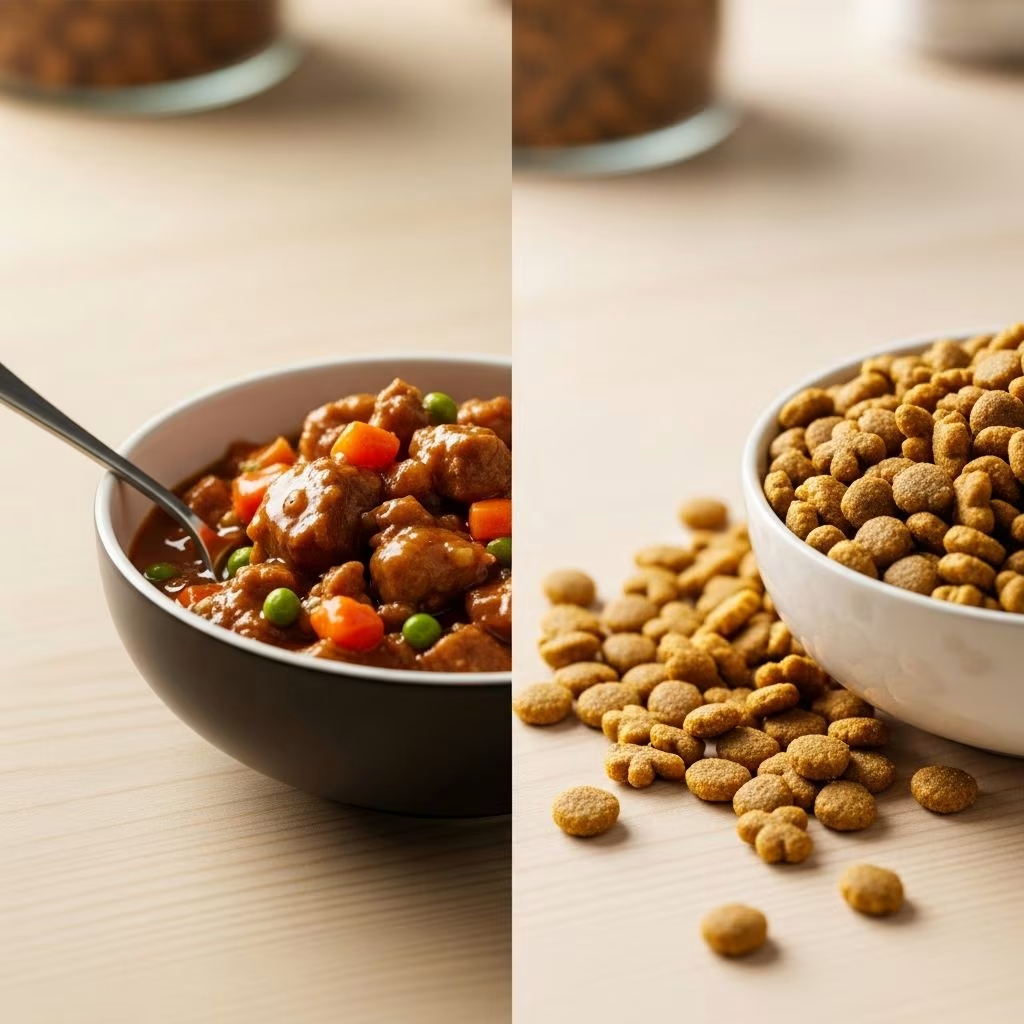
Choosing between wet and dry dog food involves understanding their unique compositions, processing methods, and impacts on your dog’s health. Dry kibble typically contains 6-12% moisture, making it shelf-stable and nutrient-dense, while wet food boasts 60-82% moisture for enhanced hydration and palatability. This guide breaks down everything from nutritional profiles to practical feeding strategies.
Understanding the Basics of Dog Food Types
Dog food comes in various forms, but wet and dry dominate the market due to their accessibility and nutritional completeness when formulated to AAFCO standards. Dry food, or kibble, undergoes extrusion: ingredients are ground, mixed, cooked under high pressure, shaped into nuggets, and dried to preserve longevity. Wet food, conversely, starts with ground proteins blended into a gravy with vitamins and grains, then cooked and sealed in cans or pouches for sterilization. These processes result in stark contrasts in texture, storage, and appeal.
Nutritional Breakdown: What’s Inside Each Type?
Labels can mislead without context—always compare on a dry matter basis, which removes water to reveal true nutrient density. Dry food often lists higher protein (25-40%) due to concentration, but wet food matches closely at 10-15% as-fed, equating similarly post-adjustment. Fat levels hover at 5-15% for both, though wet varieties may edge higher for flavor and energy. Carbohydrates are notably higher in dry food (30-50%) to bind kibble, versus 10-30% in wet.
| Nutrient | Dry Food (As-Fed) | Wet Food (As-Fed) | Dry Matter Comparison |
|---|---|---|---|
| Moisture | 6-12% | 60-82% | N/A |
| Protein | 25-40% | 10-15% | Similar (40-50% both) |
| Fat | 5-15% | 5-15% | Comparable |
| Carbs | 30-50% | 10-30% | Dry higher |
These profiles ensure both types meet daily requirements when portioned correctly, but moisture profoundly affects hydration and digestion.
Key Advantages of Dry Dog Food
- Cost-Effectiveness: Dry food is 1.5-3x cheaper per calorie, ideal for large breeds needing volume.
- Convenience and Storage: Shelf-stable in bags, easy to portion, and doesn’t spoil if left out.
- Dental Benefits: Crunching kibble abrades plaque, supporting oral health—though not a substitute for brushing.
- Nutrient Density: Less volume required, perfect for big dogs; higher carb content provides sustained energy.
For active or growing pups, dry food’s density supports muscle development without excessive feeding.
Key Advantages of Wet Dog Food
- Superior Hydration: High water content aids dogs prone to urinary issues, kidney concerns, or low drinking habits.
- Enhanced Palatability: Stronger aromas and soft textures entice picky, senior, or ill dogs.
- Ease of Digestion: Softer consistency suits dental problems or post-surgery recovery; promotes satiety for weight control.
- Fewer Preservatives: Shorter shelf life post-opening but often richer in meat on dry basis.
Wet food shines for seniors or those with medical needs, delivering moisture that complements fresh water intake.
Potential Drawbacks and How to Mitigate Them
No option is perfect. Dry food’s low moisture demands vigilant water access to prevent dehydration, and its hardness challenges tooth-sensitive dogs. Wet food costs more, spoils quickly after opening, and may contribute to plaque if not balanced. Mitigate by rotating types, using puzzle feeders for kibble, or adding water to dry food. For plaque, pair with dental chews regardless of diet.
| Aspect | Dry Food Cons | Wet Food Cons | Solutions |
|---|---|---|---|
| Health Risks | Dehydration risk | Plaque buildup | Always provide water; brush teeth |
| Practicality | Less appealing | Expensive, messy | Mix types; buy in bulk |
| Storage | Bulk bags heavy | Refrigerate leftovers | Portion control; use pouches |
Ideal Scenarios: When to Choose Wet, Dry, or Both
Pick Dry For: Budget-conscious owners, large/active breeds, dental maintenance, and convenience.
Pick Wet For: Picky eaters, seniors, hydration needs, or weight management via satiety.
Mix for Best Results: Combining offers texture variety, boosted moisture, and palatability. Use wet as a topper (25% of meal) to enhance kibble—ideal for fussy dogs or added calories. Gradually transition over 7-10 days to avoid tummy upset.
Factors Influencing Your Choice: Age, Breed, and Health
Puppies thrive on either if complete, but large breeds favor dry’s density to prevent overeating. Seniors benefit from wet’s softness and hydration. Health conditions like kidney disease prioritize wet; allergies may require grain-free versions of both. Consult vets for tailored advice, especially with obesity or urinary issues.
Cost Analysis and Budget Tips
Dry wins on price: a 30-lb bag lasts months for medium dogs, versus weekly wet cans. Wet’s premium (due to canning) suits occasional use. Save by buying dry in bulk, wet pouches for toppers, or subscription services. Prioritize quality over bargains—look for named meats first.
FAQs: Common Questions on Wet vs Dry Dog Food
Is wet food better for dogs than dry?
Neither is universally superior; it depends on needs. Wet excels in hydration and appeal, dry in convenience and dental aid.
Can I switch my dog from dry to wet food?
Yes, gradually over 7-14 days by mixing increasing wet amounts to prevent diarrhea.
Does dry food clean dogs’ teeth?
It helps reduce tartar via abrasion but isn’t proven preventive—combine with vet dental care.
Is wet dog food more natural?
Not inherently; both can be high-quality. Check for minimal fillers and AAFCO statements.
How much water should dry-fed dogs drink?
About 1 oz per lb body weight daily, more in heat or activity—monitor urine clarity.
Final Thoughts on Selecting the Right Diet
The optimal choice aligns with your dog’s preferences, health profile, and lifestyle. Experiment safely, observe stool quality and energy, and vet-check annually. High-quality formulas from either category ensure thriving pups.
References
- Wet Vs Dry Dog Food: Which is Right for Your Pup — Nature’s Logic. 2023. https://natureslogic.com/blog/wet-vs-dry-dog-food/
- Dry vs Wet Dog Food in 2025: A Vet’s Thorough Comparison — Ask A Vet. 2025. https://askavet.com/blogs/pet-food-nutrition/dry-vs-wet-dog-food-in-2025-a-vet-s-thorough-comparison-%F0%9F%90%B6
- Dry (kibble) versus wet (cans), what’s the difference? — Fromm Family. N/A. https://frommfamily.com/about/question-and-answer/products/dry-kibble-vs-wet-cans/
- Dry vs. Wet Dog Food, or Both? — PetMD. 2023. https://www.petmd.com/dog/nutrition/dry-dog-food-vs-wet-dog-food-which-better
- Wet vs. Dry Dog Food: What You Should Know — Purina. N/A. https://www.purina.com/articles/dog/health/nutrition/dry-vs-wet-dog-food
- What is the primary difference between dry kibble and wet dog food? — Mounds Pet. N/A. https://www.moundspet.com/blog/do-dogs-need-dry-and-wet-food/
- Wet vs. Dry Dog Food: What Pet Parents Need to Know — NutriSource Pet Foods. N/A. https://nutrisourcepetfoods.com/blog/pet-parents/wet-vs-dry-dog-food-vets-recommend/



