

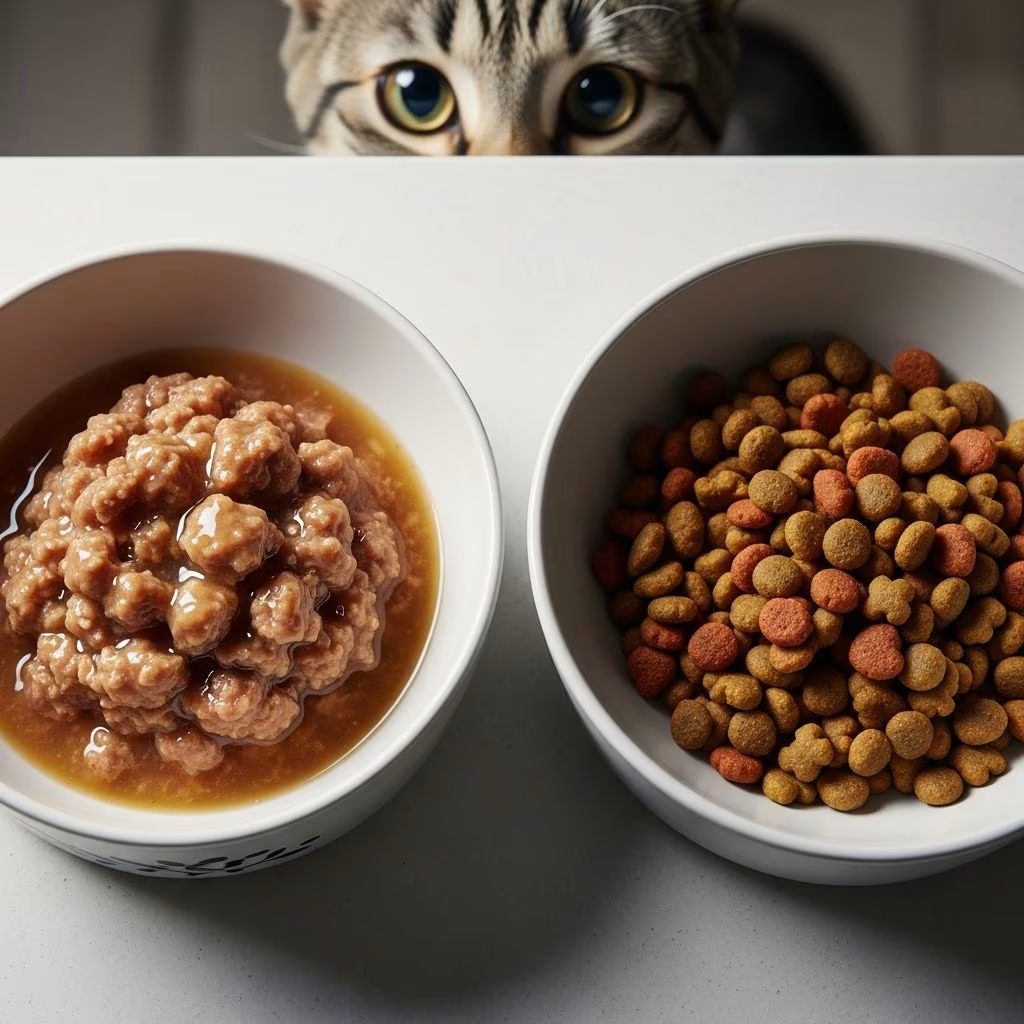
Feline nutrition hinges on selecting food forms that align with a cat’s biological needs. Wet cat food, with its high water content, supports hydration, while dry kibble offers convenience and dental benefits. Understanding these options ensures better health outcomes for cats.
Nutritional Composition Breakdown
The fundamental distinction between wet and dry cat foods lies in their water levels, which profoundly influences other nutrients. Dry food typically contains 9-12% moisture, concentrating proteins, fats, and carbohydrates into a compact form. Wet food, conversely, boasts 70-80% moisture, diluting these elements but providing hydration akin to a cat’s ancestral prey.
Protein levels vary but are often higher on a dry matter basis in quality wet foods, mirroring a cat’s carnivorous requirements. Fat content in wet food ranges from 2-10%, aiding skin and coat health, whereas dry food may reach 8-22% to bind the kibble structure. Carbohydrates are minimal in wet varieties (<10%), but dry foods can contain 25% or more due to processing needs.
| Nutrient | Wet Cat Food | Dry Cat Food |
|---|---|---|
| Moisture | 70-80% | 9-12% |
| Protein (typical) | 8-12% (as fed) | 30-40% (as fed) |
| Fat | 2-10% | 8-22% |
| Carbohydrates | <10% | 25-40% |
This table illustrates as-fed percentages; for accurate comparison, calculate dry matter basis by dividing by (1 – moisture %). Essential nutrients like taurine remain present in both, but processing methods differ: dry food is extruded and coated, while wet is retorted in cans.
Hydration Advantages of Wet Food
Cats evolved as desert hunters with low thirst drives, obtaining most water from prey. Modern indoor cats often under-drink, risking urinary crystals or kidney strain. Wet food’s high moisture (up to 78%) directly boosts fluid intake, mimicking natural diets.
Veterinarians recommend wet food for conditions like chronic kidney disease (CKD) or feline lower urinary tract disease (FLUTD), where dilution of urine prevents crystal formation. A study from Cornell’s Feline Health Center notes that higher moisture diets support renal function by increasing glomerular filtration. VCA Hospitals emphasize selecting higher-moisture options for poor drinkers.
- Reduces dehydration risk in seniors or picky drinkers.
- Supports urinary health by flushing toxins.
- Enhances overall metabolic water balance.
Dental and Convenience Perks of Dry Kibble
Dry food’s crunch provides mechanical abrasion, potentially reducing tartar buildup, though evidence is mixed as soft plaque can still form. Its low moisture makes it energy-dense, ideal for active cats needing quick calories.
Storage is effortless: no refrigeration needed post-opening, with long shelf life in bags or bins. Portioning is simple via scoops, minimizing waste. Economically, dry food costs less per ounce and per calorie, suiting multi-cat homes.
- Promotes dental hygiene through chewing action.
- Budget-friendly for daily feeding.
- Easy to dispense via automatic feeders.
Health-Specific Feeding Recommendations
Weight Management Strategies
Overweight cats benefit from wet food’s lower calorie density; high water fills the stomach with fewer calories, curbing overeating. Mixing wet toppers on dry kibble enhances satiety while adding moisture.
Senior and Dental Care
Aging cats with worn teeth prefer soft wet textures, preventing chewing pain. Dry kibble suits younger cats for tartar control.
Medical Conditions
For kidney or urinary issues, wet food is preferred for hydration. Underweight or muscle-wasting seniors may need dry’s protein density.
Palatability and Sensory Appeal
Wet food’s potent aroma from fresh proteins entices finicky eaters, available in flavors like fish or poultry. Textures vary: pate, shreds, or chunks. Dry food offers consistency but less odor, sometimes requiring flavor coatings.
Variety prevents boredom; rotating types maintains interest. Picky cats often respond to wet’s moisture and warmth when served.
Cost and Practical Considerations
Dry food wins on price: $1-2 per pound versus $3-5 for wet equivalents. However, wet’s portion control via cans/pouches reduces spoilage. Cleanup is messier with wet—bowls need thorough washing—but puzzles slow eaters.
Shelf life: Dry lasts months opened if bagged properly; wet requires refrigeration after 3-5 days. Bulk dry suits convenience; single-serve wet minimizes commitment.
Optimal Feeding Approaches
No single type is superior; balance both for comprehensive benefits. Mixing provides texture variety, boosted hydration, and calorie control. Start with 75% dry/25% wet, adjusting based on intake.
- Monitor urine output and body condition.
- Transition gradually over 7-10 days.
- Consult vets for tailored plans.
Common Myths Debunked
Myth: Dry food cleans teeth completely. It helps but doesn’t replace brushing.
Myth: Wet food causes obesity. Actually aids weight loss due to low density.
Myth: Cats don’t need wet food if drinking. Many still benefit from dietary moisture.
Frequently Asked Questions
Can I switch my cat between wet and dry?
Yes, gradual transitions prevent digestive upset. Mix increasing amounts over a week.
Is wet food better for kittens?
Wet provides hydration and soft texture for weaning; dry later for dentition.
How much water should cats drink daily?
Ideal: 50-60ml/kg body weight, more with dry diets.
Does dry food cause diabetes?
No direct causation; obesity from overfeeding any type is the risk factor.
Best for hairballs?
Wet food’s moisture eases passage; fiber in either helps.
Selecting Quality Cat Food
Prioritize AAFCO statements for complete nutrition. Look for named meats first, avoiding by-products if possible. Test for acceptance and stool quality. Annual vet checkups guide adjustments.
References
- Wet Vs Dry Cat Food: Which is Right for My Cat — Nature’s Logic. 2023. https://natureslogic.com/blog/wet-vs-dry-cat-food/
- Wet vs. Dry Cat Food | What to Feed a Cat — Blue Buffalo. 2024. https://www.bluebuffalo.com/articles/cat/wet-vs-dry-cat-food/
- Feeding Your Cat — Cornell University College of Veterinary Medicine. 2025-02-01. https://vcahospitals.com/know-your-pet/dry-canned-or-semi-moist-food-choices-for-cats
- Wet Cat Food vs. Dry Cat Food: Which Is Better? — PetMD. 2024. https://www.petmd.com/cat/nutrition/wet-cat-food-vs-dry-cat-food-which-better
- Dry, Canned, or Semi-Moist: Food Choices for Cats — VCA Animal Hospitals. 2024. https://vcahospitals.com/know-your-pet/dry-canned-or-semi-moist-food-choices-for-cats



