
Wet Food for Cats: Essential Benefits
Discover why wet cat food boosts hydration, supports kidney health, and meets feline nutritional needs better than dry options alone.
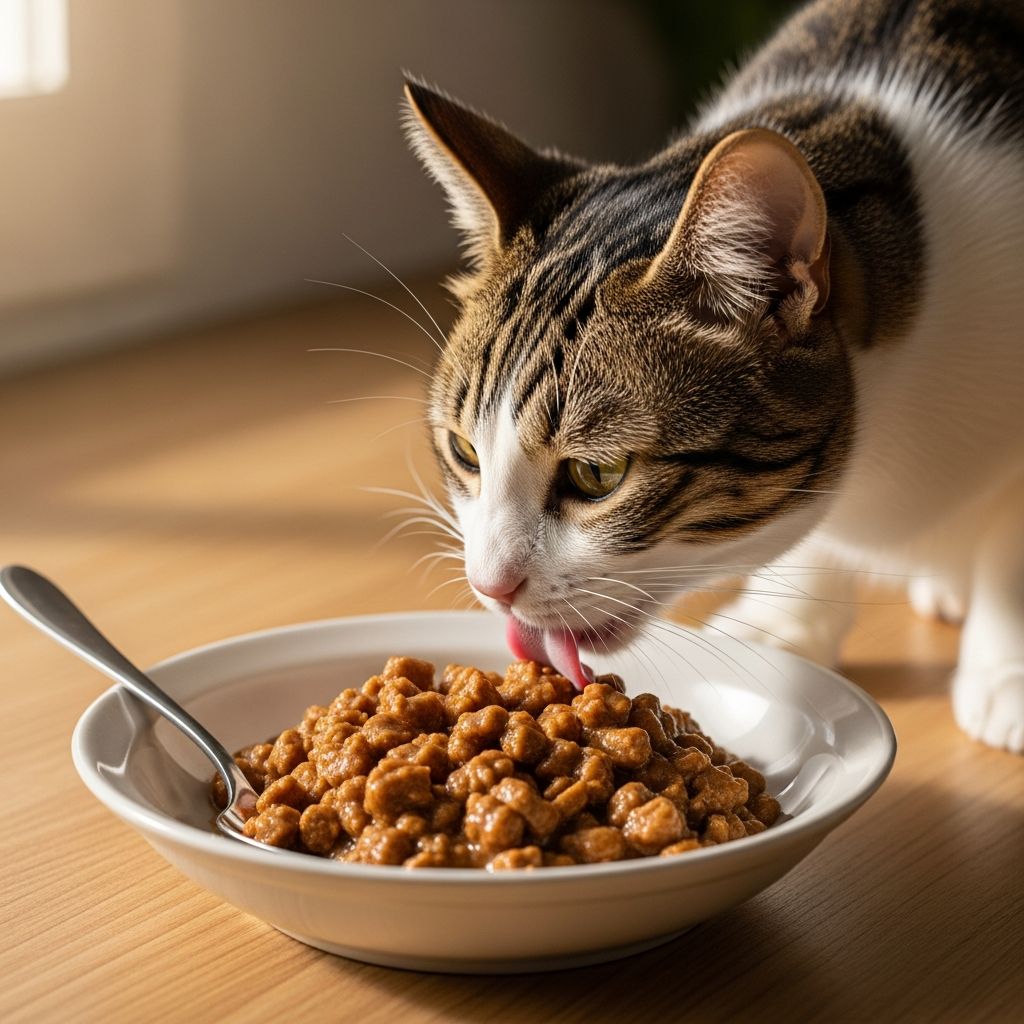
Cats thrive on diets that mimic their natural prey, and wet cat food delivers unmatched hydration and nutrition compared to dry kibble. With moisture levels of 70-80%, it addresses common feline health challenges effectively.
The Hydration Advantage of Wet Cat Food
Cats evolved as desert hunters with a low thirst drive, often failing to drink enough from bowls. Wet food, containing 68-86% moisture, significantly boosts daily water intake, reducing risks of chronic dehydration.
Dehydration leads to kidney issues, bladder stones, and cystitis. Studies show cats on wet diets have diluted urine, lowering urinary disease incidence, especially in males.
- Moisture comparison: Dry food: 6-10%; Wet food: 70-90%.
- Supports digestion, temperature regulation, and organ function.
- Ideal for picky drinkers preferring fountains over still water.
Even with fresh water available, wet food ensures hydration without relying solely on drinking.
Superior Protein and Low Carbs in Wet Diets
As obligate carnivores, cats require meat-based protein. Wet foods offer higher meat content and protein levels, satisfying natural cravings while keeping carbs under 10%.
This aligns with feline biology, limiting carb digestion capacity. High protein maintains lean body mass, vital for immunity, mobility, and senior cats.
| Nutrient | Wet Food | Dry Food |
|---|---|---|
| Protein | High (meat-focused) | Variable, often plant-based |
| Carbs | <10% | 20-40%+ |
| Moisture | 70-80% | 6-10% |
Wet food’s palatability from strong aromas appeals to finicky eaters or those with reduced smell.
Preventing Urinary and Kidney Problems
Chronic low hydration stresses cat kidneys and urinary tracts. Wet food dilutes urine, preventing crystal formation and infections.
Particularly beneficial for males prone to blockages. Vets recommend it for at-risk cats, noting reduced disease rates.
- Supports kidney function in disease cases.
- Lowers cystitis inflammation risks.
- Monitors conditions like diabetes via controlled carbs.
Weight Management and Senior Cat Support
High-moisture wet food aids satiety with fewer calories per volume, helping overweight cats feel full. Protein preserves muscle during weight loss.
For seniors, it eases chewing, supports joints via hydration, and provides digestible nutrients. Essential minerals like iron, zinc, and biotin promote blood health, immunity, and skin integrity.
Dental Health Considerations and Myths
Unlike dry food claims, no strong evidence shows kibble cleans teeth effectively; plaque builds regardless. Wet food poses no unique dental risks if paired with brushing or dental treats.
Highly digestible wet food benefits cats with dental pain, allowing easier consumption.
Ideal for Kittens, Picky Eaters, and Special Needs
Kittens with tiny teeth handle wet food better, promoting growth. It’s perfect for toppers adding variety and appeal.
Cats with sensitive stomachs, hairballs, or diabetes benefit from tailored wet formulas: lower carbs for blood sugar, high protein for muscle.
Wet vs. Dry: A Balanced Comparison
| Aspect | Wet Food Pros | Wet Food Cons | Dry Food Pros | Dry Food Cons |
|---|---|---|---|---|
| Hydration | Excellent (70-80% water) | N/A | Poor (6-10% water) | Dehydration risk |
| Nutrition | High protein, low carb | Costlier | Convenient | Higher carbs |
| Palatability | High aroma/flavor | Spoils quickly | Always available | Boredom |
| Health | Urinary/kidney support | Less dental abrasion | Dental myth | Obesity risk |
Many vets advocate mixing both for balance: wet for hydration/nutrition, dry for convenience.
Practical Feeding Tips for Success
Transition gradually over 7-10 days to avoid upset. Feed 2-3 small meals daily; portion based on weight/age.
- Choose AAFCO-approved complete foods.
- Store opened cans in fridge up to 3 days.
- Consult vets for health-specific diets.
- Variety prevents boredom: rotate flavors.
Cost concerns? Wet food’s health savings offset expenses long-term.
Frequently Asked Questions
Do cats need wet food daily?
Not exclusively, but including it 50-75% of diet optimizes hydration and health.
Is wet food better for teeth?
No direct benefit, but doesn’t harm; focus on dental routines.
Can wet food help overweight cats?
Yes, via volume and protein for fullness without excess calories.
What about kittens or seniors?
Highly recommended: soft texture, nutrients for growth/maintenance.
How to pick quality wet food?
Look for named meats first, low carbs, no fillers; vet-approved.
Conclusion: Prioritize Wet Food for Feline Vitality
Incorporating wet food transforms cat health by tackling hydration gaps inherent to their biology. It fosters longevity, vitality, and joy in mealtimes.
References
- Wet Cat Food Benefits | Do Cats Need Wet Food — Blue Buffalo. 2023. https://www.bluebuffalo.com/articles/cat/wet-your-cats-appetite/
- The Benefits Of Feeding Wet Food to Your Pets — Simmons Pet Food. 2021-03-16. https://simmonspetfood.com/whitepapers/2021/3/16/609ykmdyv2gww152c3ow1q4qnnolyu
- Do Cats Need Wet Food? Benefits of Including it in Their Diets — Purina. 2024. https://www.purina.com/articles/cat/feeding/guides/do-cats-need-wet-food
- Wet vs. Dry Cat Food, or Both? — PetMD. 2023. https://www.petmd.com/cat/nutrition/wet-cat-food-vs-dry-cat-food-which-better
- Wet Cat Food: More Than a Meal, a Key Ingredient for Feline Wellbeing — AAHA. 2024. https://www.aaha.org/newstat/publications/wet-cat-food-more-than-a-meal-a-key-ingredient-for-feline-wellbeing/
Similar Articles








Read full bio of Sneha Tete




