

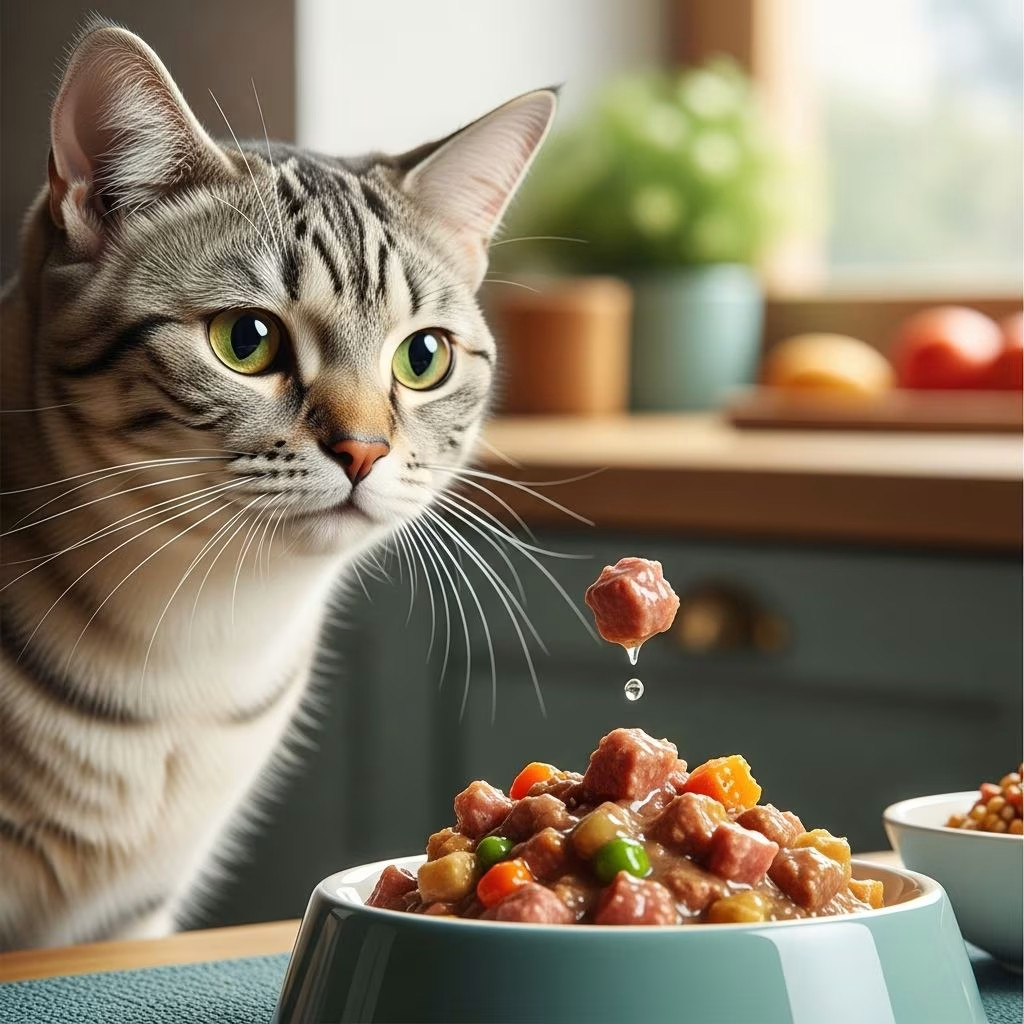
Cats are fascinating creatures with unique biological requirements that distinguish them from their canine counterparts. One critical aspect of feline wellness that pet owners often overlook is proper hydration. Unlike dogs, cats possess an inherently low thirst drive—a characteristic inherited from their desert-dwelling ancestors who historically obtained most of their water through prey consumption rather than drinking from standing water sources. This physiological trait creates a significant challenge for modern domestic cat owners seeking to maintain optimal hydration levels in their pets. Understanding how to bridge this hydration gap has become increasingly important as veterinarians recognize the direct connection between adequate water intake and long-term feline health outcomes.
Understanding Feline Hydration Challenges
The domesticated cat’s ancestry plays a crucial role in understanding contemporary nutritional needs. Descendant from wild felines adapted to arid environments, house cats have retained this low-thirst-drive characteristic despite living in homes where fresh water is readily available. This evolutionary adaptation, while beneficial for survival in desert conditions, becomes problematic in modern domestic settings where adequate water consumption is essential for maintaining physiological functions.
Beyond evolutionary factors, behavioral patterns further complicate feline water intake. Many cats instinctively avoid still or standing water, viewing it as a potential contamination risk—a survival mechanism that remains even in domesticated animals. This aversion means that simply providing a water bowl may not guarantee your cat drinks sufficient quantities. Additionally, the mechanics of feline drinking are inefficient; a single lap provides only a minimal amount of water—approximately 3/100 of a teaspoon. These combined factors create a genuine challenge for pet owners attempting to ensure their cats maintain proper hydration levels through traditional water sources alone.
The Moisture Content Advantage
Wet cat food represents a practical and effective solution to the hydration challenge inherent in feline care. The most significant distinction between wet and dry food lies in their moisture composition. While dry kibble contains approximately 6-10% water content, wet food delivers substantially higher hydration levels, ranging from 70-80% moisture. This dramatic difference means that a cat consuming wet food receives significantly more water per serving without requiring any behavioral change or increased voluntary water consumption from a dish.
The moisture content of wet food is approximately seven times higher than typical dry food, making it an exceptionally efficient delivery method for feline hydration. When incorporated into a cat’s diet—whether as a complete meal replacement or as part of a mixed feeding strategy combining both wet and dry foods—this elevated moisture content directly translates to increased total water intake. Research indicates that cats consuming wet food diets achieve greater overall urine volume and lower urine concentration compared to their dry-food-eating counterparts, even when water is supplemented into kibble.
Kidney Function and Urinary Tract Health
The consequences of inadequate hydration extend far beyond simple thirst. Water serves critical physiological functions including facilitating chemical reactions throughout the body, regulating temperature, and maintaining joint health and mobility. Water comprises approximately 60% of a cat’s body composition, underscoring its fundamental importance to nearly every biological process.
Among the most significant health concerns related to insufficient hydration are kidney and urinary tract complications. According to veterinary experts, adequate water consumption is essential for helping the kidneys efficiently filter impurities from the body. When cats do not consume sufficient water, this critical filtering process becomes impaired, potentially leading to serious health consequences. Insufficient hydration can result in bacterial infections, and more significantly, the development of crystals or stones within the urinary tract. If left unaddressed, these conditions can become life-threatening for affected felines.
Cats are particularly prone to urinary tract issues, with males facing elevated risk of urinary blockages that can require emergency veterinary intervention. A high-moisture diet helps prevent these dangerous conditions by diluting urine and increasing urination frequency, creating an environment less conducive to crystal formation. The combination of increased moisture intake alongside balanced mineral composition in quality wet foods works synergistically to reduce urinary tract disease risk.
For cats already diagnosed with kidney disease, wet food becomes an even more critical component of health management. Renal support formulations are typically lower in phosphorus and protein, reducing metabolic strain on compromised kidneys while simultaneously providing the essential moisture these animals need to maintain proper function.
Digestive Support and Nutrient Absorption
Beyond kidney and urinary health, proper hydration through wet food supports digestive system function throughout the gastrointestinal tract. Water helps maintain healthy intestinal movement, which is vital for preventing constipation—a condition that can cause significant discomfort and secondary health complications in cats. The moisture content of wet food ensures that cats receive both drinking water and food-bound fluids that support optimal digestive processes.
Wet cat food also boasts superior digestibility compared to dry kibble. The softer texture and high moisture content make the food easier for a cat’s digestive system to process, extracting nutrients more efficiently. This enhanced digestibility becomes particularly beneficial for kittens whose digestive systems are still developing, senior cats whose digestive efficiency naturally declines with age, and cats experiencing dental disease or sensitive stomachs.
Weight Management Through Moisture and Satiety
Contrary to assumptions that wet food might contribute to weight gain, evidence suggests the opposite. Wet food generally contains fewer calories per volume compared to dry kibble, helping pet owners maintain better caloric control. More importantly, the high water content creates a psychological satiation effect—cats feel fuller after consuming wet food because the overall meal volume is greater, despite containing fewer concentrated calories.
This satiety advantage becomes particularly valuable for weight management strategies. Overweight cats face numerous health complications including arthritis, cardiovascular problems, hypertension, respiratory issues, and diabetes. By incorporating wet food into a cat’s diet, owners can help their pets achieve and maintain healthier weights while improving overall quality of life and longevity.
Additionally, wet foods typically contain higher protein levels relative to carbohydrates compared to dry foods. This nutritional profile helps preserve lean muscle mass during weight loss efforts, ensuring that cats lose fat while maintaining metabolic function.
Mixed Feeding Strategies for Optimal Results
Rather than viewing wet and dry food as mutually exclusive options, veterinary nutrition experts increasingly recommend mixed feeding approaches that combine both food types strategically. This hybrid method delivers the hydration benefits of wet food while maintaining the dental benefits and convenience of dry kibble.
In mixed feeding protocols, cats achieve superior hydration outcomes compared to dry-only diets, even when water is added to kibble. The combination offers synergistic benefits: wet food provides critical moisture and enhanced palatability, while the nutritional profiles of both foods work together to support overall health. The higher protein-to-starch ratios found in quality wet foods help reduce risk factors for urinary crystal formation, while improved digestibility minimizes water loss through feces, allowing more fluid to be available for urinary excretion.
Nutritional Completeness and Essential Micronutrients
A common misconception suggests that wet food is nutritionally inferior to dry kibble. In reality, quality wet cat foods contain all essential nutrients required for feline health, including vital vitamins and minerals. Iron supports healthy blood and tissue function, zinc promotes immune system development and maintains skin, eye, and bone health, and biotin regulates energy release from food while promoting skin integrity.
When selecting wet food products, pet owners should verify that formulations are complete and balanced, meeting Association of American Feed Control Officials (AAFCO) standards. This ensures that the high moisture content does not come at the expense of nutritional completeness or bioavailability.
Behavioral Considerations and Feline Preferences
Some cats naturally prefer fresh, moving water from fountain sources rather than still water in dishes. For these animals, wet food becomes not just a health intervention but also a more palatable feeding option that aligns with natural preferences. The transition to wet food can sometimes improve overall food consumption in picky eaters while simultaneously addressing hydration needs.
Special Considerations for Different Life Stages
While kittens can thrive on nutritionally balanced dry food alone with adequate fresh water access, wet food offers numerous developmental advantages. The ease of chewing and enhanced digestibility support growing bodies, while increased hydration promotes healthy kidney development during critical growth periods.
Senior cats derive particular benefit from wet food inclusion. As cats age, dental disease becomes increasingly common, making softer foods more comfortable to eat. Simultaneously, kidney function naturally declines with age, making the hydration support of wet food increasingly important for maintaining health and potentially slowing disease progression.
Implementing Wet Food in Your Cat’s Diet
Transitioning to wet food should occur gradually, typically over 7-10 days, to allow your cat’s digestive system to adjust and to prevent dietary upset. Beginning with small portions mixed into existing dry food and progressively increasing the wet food ratio helps most cats adapt successfully. Some owners find that offering wet food at specific meal times while maintaining dry kibble availability throughout the day works well for their household routines.
Frequently Asked Questions
Can wet food completely replace dry food in a cat’s diet?
Yes, quality wet foods meeting AAFCO standards can serve as complete nutrition sources. However, many veterinarians recommend mixed feeding strategies to provide variety, support dental health through kibble’s mild abrasive action, and accommodate individual cat preferences and household circumstances.
Will switching to wet food cause digestive problems?
Gradual transitions typically prevent digestive upset. Moving too quickly from dry to wet food may cause loose stools initially, which resolves as digestive systems adapt. A 7-10 day transition period is generally recommended.
Is wet food more expensive than dry kibble?
Wet food generally costs more per serving than dry kibble. However, when evaluating total cost-benefit including improved hydration, digestibility, and potential reduction in veterinary expenses related to urinary tract and kidney disease prevention, the investment often proves worthwhile.
How much wet food should I feed my cat daily?
Feeding guidelines vary based on individual cats’ age, weight, activity level, and overall health. Consulting your veterinarian for personalized recommendations ensures your cat receives appropriate caloric and nutritional intake.
Can wet food help my cat’s existing kidney disease?
Wet food, particularly renal support formulations lower in phosphorus and protein, can be beneficial for cats with kidney disease. The enhanced hydration support helps maintain kidney function and overall health in compromised animals. Discuss specific dietary recommendations with your veterinarian.
The Science Behind Moisture and Feline Physiology
Understanding the scientific basis for wet food’s benefits requires appreciating how cats’ evolutionary adaptations interact with modern domestic environments. Cats evolved to extract most hydration from prey, with their kidneys adapted to concentrate urine and conserve water efficiently. This physiological efficiency, advantageous in wild desert settings, becomes problematic when cats fail to voluntarily consume adequate water in domestic environments.
Wet food bypasses this behavioral obstacle by delivering water directly through food, supporting adequate total water intake without relying on voluntary drinking behavior. The result is improved hydration status and significantly reduced risk of water-related health complications.
Conclusion
Moisture-rich nutrition through wet cat food represents a evidence-based approach to optimizing feline health and longevity. By addressing the natural hydration deficit inherent in cats’ evolutionary biology and low thirst drives, wet food helps prevent serious kidney and urinary tract complications while supporting digestive health, weight management, and overall quality of life. Whether implemented as complete diet replacement or as part of a mixed feeding strategy, incorporating wet food into your cat’s nutrition plan aligns with modern veterinary understanding of feline nutritional requirements and physiological needs.
References
- Do Cats Need Wet Food? 5 Benefits of Wet Cat Food — Chewy. Accessed February 2026. https://www.chewy.com/education/cat/food-and-nutrition/the-benefits-of-a-wet-food-diet-for-your-cat
- Wet Cat Food Benefits | Do Cats Need Wet Food — Blue Buffalo. Accessed February 2026. https://www.bluebuffalo.com/articles/cat/wet-your-cats-appetite/
- Dry vs. Wet Food — Feline & Friends Foundation. Accessed February 2026. https://www.fffvt.org/dry-vs-wet-food
- Wet Cat Food: More Than a Meal, a Key Ingredient for Feline Wellbeing — AAHA (American Animal Hospital Association). Accessed February 2026. https://www.aaha.org/newstat/publications/wet-cat-food-more-than-a-meal-a-key-ingredient-for-feline-wellbeing/
- Mixed feeding for cats: health benefits may drive wet pet food consumption — PetfoodIndustry.com. Accessed February 2026. https://www.petfoodindustry.com/nutrition/dog-and-cat-food-nutrition/article/15815353/mixed-feeding-for-cats-health-benefits-may-drive-wet-pet-food-consumption
- Do Cats Need Wet Food? Benefits of Including it in Their Diets — Purina. Accessed February 2026. https://www.purina.com/articles/cat/feeding/guides/do-cats-need-wet-food
- The Benefits of Wet Food for Cats with Specific Health Conditions — Wellness Pet Food. Accessed February 2026. https://www.wellnesspetfood.com/blog/the-benefits-of-wet-food-for-cats-with-specific-health-conditions/



