

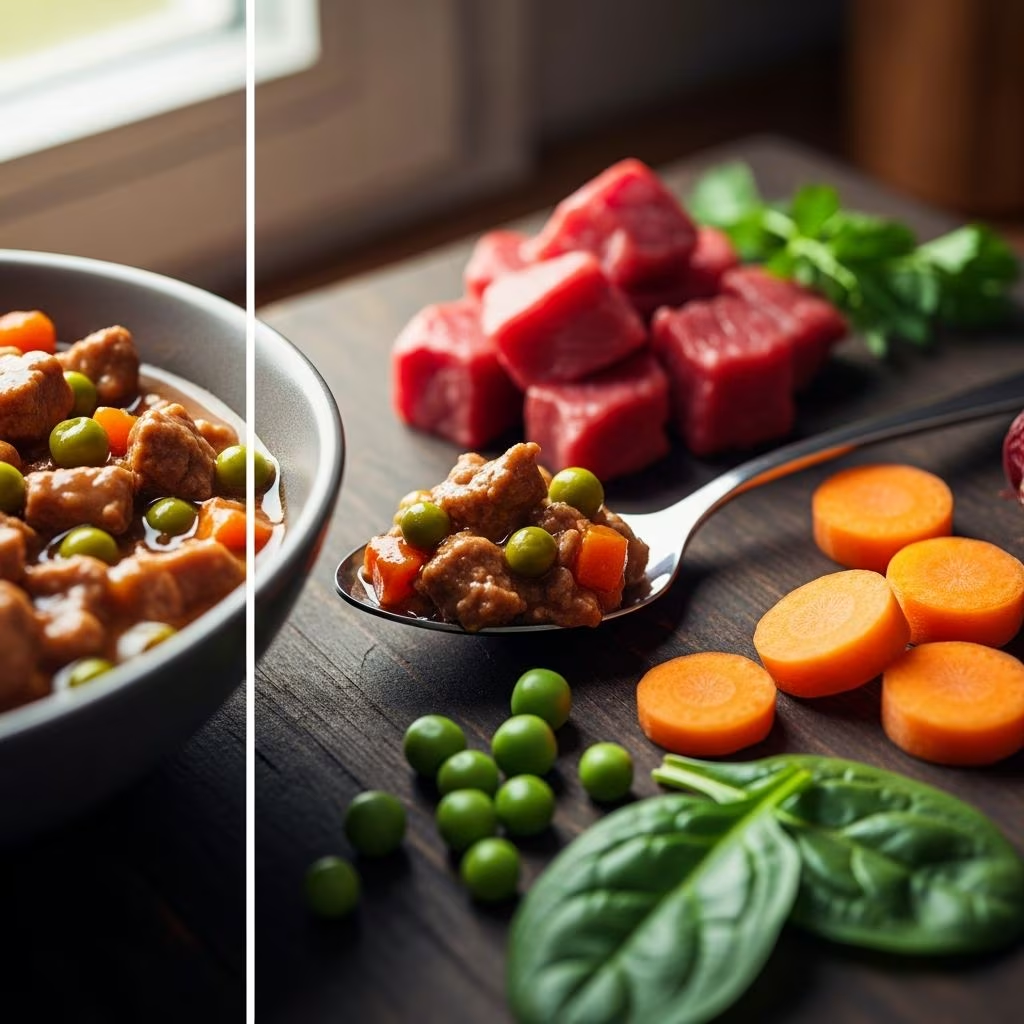
Choosing between wet and dry dog food involves weighing factors like your dog’s health, preferences, and your budget. Wet dog food, with its high moisture levels, offers unique advantages for hydration and appeal but comes with trade-offs in cost and storage.
Understanding Wet Dog Food Basics
Wet dog food, often sold in cans or pouches, contains about 70-80% water, making it distinct from dry kibble’s 10% moisture content. This formulation closely mimics a dog’s natural diet, providing proteins in a softer, more digestible state. Formulated to meet nutritional standards when labeled as complete and balanced, it supports daily needs for most dogs.
Key components include animal-based proteins, fats, carbohydrates, vitamins, and minerals preserved through canning or pouches. Unlike dry food, which undergoes extrusion and high-heat processing, wet varieties retain more natural aromas and textures, enhancing appeal.
Key Benefits of Feeding Wet Dog Food
Wet dog food excels in several areas, particularly for dogs with specific health or behavioral needs.
- Superior Hydration Support: The high water content helps dogs who drink insufficiently, reducing risks of urinary tract issues or kidney strain. This is vital for breeds prone to dehydration or those in warm climates.
- Boosted Palatability: Rich scents and soft textures entice picky eaters, seniors, or recovering dogs, ensuring they consume vital nutrients without struggle.
- Enhanced Satiety for Weight Control: Despite lower calorie density per volume, the filling nature curbs overeating, aiding overweight or obese dogs in reaching ideal weights.
- Easier Digestion and Chewing: Ideal for puppies, elderly dogs, or those post-dental surgery, as it requires minimal mastication and is gentler on sensitive mouths.
- Potential Protein Edge: Many formulas feature higher meat content, supporting muscle maintenance, especially beneficial for active or growing dogs.
Potential Drawbacks to Consider
No food type is perfect; wet dog food has limitations that may influence your decision.
- Higher Costs: Per serving, it’s pricier than dry kibble, accumulating expenses for large breeds or multi-dog homes.
- Storage Challenges: Opened cans spoil quickly, requiring refrigeration and full consumption within days, complicating travel or grazing habits.
- Strong Odors: The aroma attracts dogs but can linger in refrigerators or homes, potentially bothersome for owners.
- Dental Health Concerns: Soft texture doesn’t scrape teeth like kibble, possibly increasing plaque if not paired with brushing or dental chews.
- Packaging Waste: Cans and pouches generate more refuse than resealable dry bags.
Comparing Wet and Dry Dog Food Options
To decide, compare core attributes in this table:
| Aspect | Wet Food | Dry Food |
|---|---|---|
| Moisture Content | 70-80% | ~10% |
| Palatability | High (aroma, texture) | Variable (may bore picky eaters) |
| Hydration Aid | Excellent | Requires separate water intake |
| Cost per Serving | Higher | Lower |
| Shelf Life (Opened) | 2-5 days refrigerated | Weeks/months |
| Dental Benefits | Limited | Moderate scraping action |
| Best For | Picky/senior dogs, hydration needs | Convenience, dental health |
Dry food wins on convenience and dental abrasion, while wet shines in moisture and taste.
When Wet Food Makes the Most Sense
For Dogs with Health Conditions
Veterinarians often recommend wet food for urinary or kidney issues due to hydration benefits. It’s also suitable post-surgery or for gastrointestinal sensitivities, as moisture aids digestion.
Seniors and Puppies
Older dogs with worn teeth or reduced appetite thrive on soft, flavorful wet meals. Puppies benefit from easy chewing during teething phases.
Picky or Underweight Dogs
If your dog skips meals, wet food’s allure can boost intake, helping underweight pups gain necessary pounds.
Practical Tips for Incorporating Wet Food
Introduce gradually over 7-10 days to avoid tummy upset, mixing increasing amounts with current food.
- Portion based on caloric needs; wet food’s density means larger volumes.
- Store leftovers airtight in fridge; warm slightly for aroma enhancement.
- Combine with dry for balance: top kibble with wet for hydration plus dental perks.
- Monitor weight and stool; adjust as needed.
For dental care, add chews or brushing routines regardless of diet.
Nutritional Quality and Label Reading
Select AAFCO-approved formulas listing meat as first ingredient. Avoid fillers; prioritize those without artificial colors. Consult vets for prescription wet foods addressing allergies or diseases.
Frequently Asked Questions
Is wet dog food healthier than dry?
Neither is inherently healthier if balanced; wet aids hydration, dry supports teeth. Choice depends on your dog’s profile.
Can I feed only wet food?
Yes, if complete; many thrive solely on it, but mixing offers variety.
Does wet food cause obesity?
No, its satiety helps control weight; measure portions precisely.
How much wet food per day?
Follow label guidelines, typically 1-1.5 cans (13 oz) per 20 lbs body weight, adjusted for activity.
Is wet food okay for all breeds?
Generally yes, but consult vets for small breeds prone to dental woes or large ones needing calorie control.
Alternatives and Mixing Strategies
Consider fresh or raw options for similar moisture without canning drawbacks. A 50/50 wet-dry mix balances pros: hydration from wet, convenience from dry.
Transition tips: Week 1: 25% wet/75% dry; Week 2: 50/50; full switch if desired.
Long-Term Feeding Considerations
Monitor for allergies (itching, diarrhea) and annual vet checkups. Rotate flavors for nutrient diversity, avoiding monotony.
Budget-wise, buy in bulk unopened; pouches suit singles better than cans.
References
- Dry vs. Wet Dog Food, or Both? — PetMD. 2023-05-15. https://www.petmd.com/dog/nutrition/dry-dog-food-vs-wet-dog-food-which-better
- Should You Give Your Dog Wet Food? — Purina. 2024-02-10. https://www.purina.com/articles/dog/feeding/guides/should-i-feed-my-dog-wet-dog-food
- Wet vs. Dry Dog Food: Advantages & Disadvantages — AvoDerm Natural. 2023-11-20. https://avodermnatural.com/blog/wet-vs-dry-dog-food/
- Is Wet Dog Food Good for Dogs? — JustFoodForDogs Blog. 2024-01-08. https://blog.justfoodfordogs.com/is-wet-dog-food-good-for-dogs.html
- Wet vs. Dry Dog Food — Darwin’s Natural Pet Products. 2023-09-12. https://www.darwinspet.com/blogs/why-raw/wet-food-vs-dry-food-which-is-better-for-your-dog



