

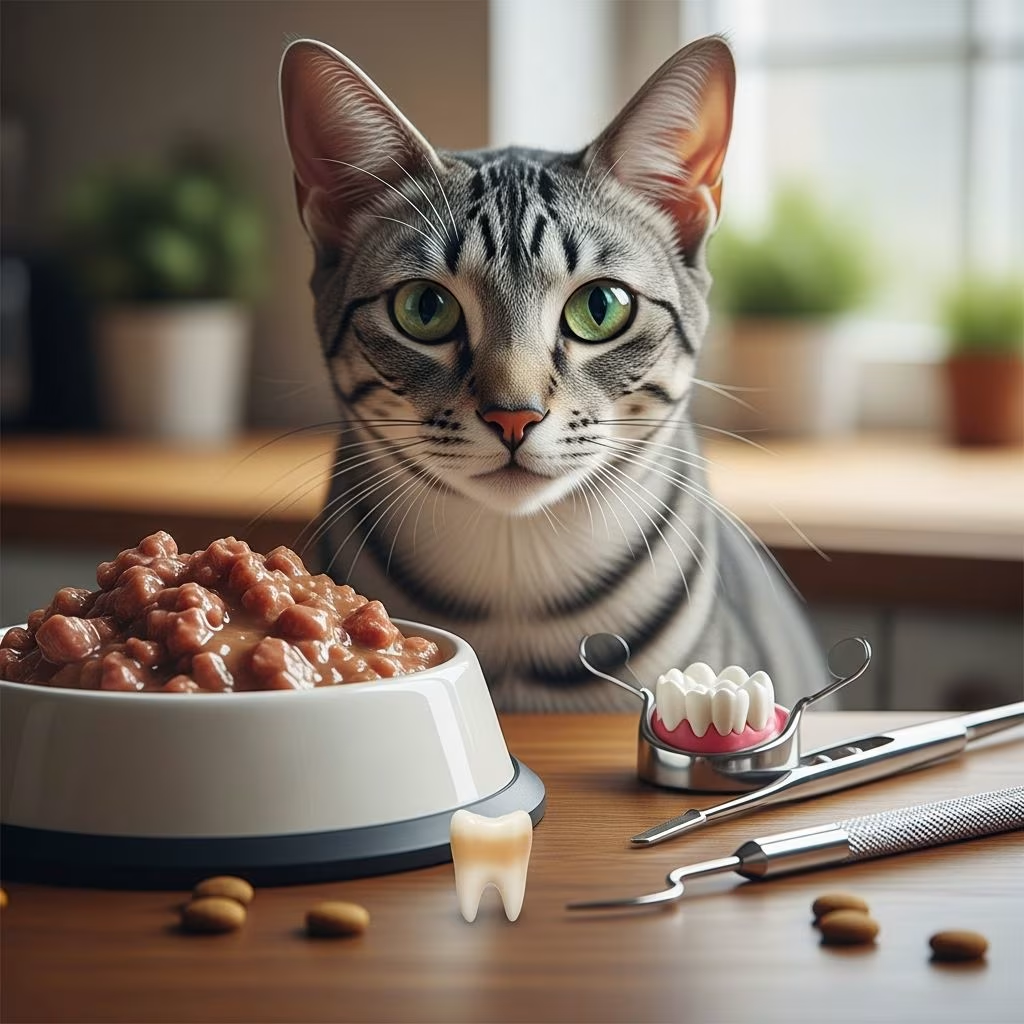
Many cat owners worry that feeding wet food leads to poor dental health in their pets. This concern arises from the idea that soft textures fail to clean teeth effectively. In reality, wet cat food does not inherently damage teeth or cause dental disease when part of a comprehensive care routine. Studies show diet type influences plaque and tartar levels, but proper hygiene remains key regardless of food form.
Understanding Feline Dental Anatomy
Cats possess 30 teeth designed for tearing meat, with sharp incisors, canines, and carnassial molars for shearing. Unlike humans, their teeth lack flat grinding surfaces, making them prone to plaque buildup on cheek teeth. Periodontal disease affects up to 70% of cats over age three, starting with plaque—a bacterial film that hardens into tartar, leading to gingivitis and potential tooth loss.
Key factors in dental health include saliva production, which neutralizes acids, and gum tissue that supports roots. Breeds like Persians or Maine Coons may face higher risks due to facial structure or genetics.
How Diet Influences Oral Hygiene
Cat foods vary in moisture, texture, and ingredients, each impacting teeth differently. Wet food, with 75-85% moisture, offers hydration benefits, especially for kidney health, but its softness reduces chewing action.
- Wet Food Effects: Sticks to surfaces, potentially increasing plaque if uneaten portions linger. However, no evidence links it directly to enamel erosion or decay.
- Dry Food Benefits: Kibbles provide abrasion, scraping plaque during crunching. Special dental formulas with larger, textured pieces show reduced calculus in trials.
- Mixed Diets: Combining both maximizes hydration and cleaning, ideal for most cats.
Research confirms dry-fed cats often have lower tartar on incisors, but cheek teeth in wet-fed older cats score worse for health.
Scientific Evidence on Wet vs. Dry Diets
Multiple studies compare diet impacts. A PMC analysis of 41 cats found dry diets improved incisor health in young adults versus wet diets worsening cheek teeth in seniors. Frontiers in Veterinary Science reported dry-fed cats with less calculus, thinner buildup, and lower gingivitis scores, plus healthier oral microbiomes enriched with beneficial bacteria like Streptococcus.
| Diet Type | Calculus Coverage | Gingivitis Scores | Microbiota Notes |
|---|---|---|---|
| Wet | Higher | Higher | More disease-associated bacteria |
| Dry | Lower | Lower | Enriched health-associated bacteria |
Yet, veterinary dentists note dry food’s benefits are overstated; neither fully prevents subgingival issues. VOHC-approved dental kibbles reduce tartar but may cause pain in cats with resorption lesions or conditions like diabetes.
Debunking Persistent Myths
Myth 1: Wet food causes rapid tartar buildup. While softer textures adhere more, genetics and hygiene drive disease more than diet alone.
Myth 2: Dry kibble brushes teeth like toothpaste. Chewing aids superficial cleaning, but no food reaches below gums or pockets.
Myth 3: Only dry food prevents gingivitis. Wet diets support minerals like calcium for enamel strength; issues arise without care.
Experts emphasize: food choice is secondary to brushing and checkups.
Essential Dental Care Strategies
Maintain oral health through daily habits and pro care.
- Brushing: Use enzymatic toothpaste and pet brush 2-3 times weekly, targeting outer surfaces.
- Dental Treats/Chews: VOHC-approved options reduce plaque by 20-50%.
- Water Additives: Antimicrobial formulas control bacteria.
- Professional Cleanings: Annual under anesthesia removes tartar fully.
Start young for compliance; rewards help finicky cats.
Nutrition for Strong Teeth
Balanced diets with taurine, omega-3s, and minerals fortify gums. Wet foods hydrate, preventing urinary issues, while dental dry kibbles target plaque. Rotate for variety, monitoring weight—dry’s carbs risk obesity.
Senior cats may need softer options if painful chewing occurs.
Signs of Dental Trouble
- Bad breath or drooling
- Red, swollen gums
- Loose teeth or pawing mouth
- Reduced appetite or weight loss
- Brown tartar lines
Early vet visits prevent costly extractions.
Choosing the Right Food
Consult vets for tailored plans. Factors: age, health, preferences.
| Life Stage | Recommended Approach |
|---|---|
| Kitten | Mixed wet/dry for growth and cleaning |
| Adult | Dental kibble + wet for balance |
| Senior | Soft wet with additives if mobility issues |
FAQs
Is wet food truly bad for cat teeth?
No, it doesn’t damage teeth but may promote plaque without hygiene. Pair with brushing.
Can I feed only wet food?
Yes, with dental routines. Hydration benefits outweigh risks.
How often should cats see a vet dentist?
Yearly exams; cleanings as needed based on buildup.
Do dental treats replace brushing?
No, they supplement; brushing is most effective.
What if my cat refuses brushing?
Use finger brushes, gauze, or pro cleanings.
Long-Term Benefits of Proactive Care
Healthy teeth link to longevity; untreated disease spreads bacteria systemically, risking heart/kidney issues. Invest in routines for happier, longer lives.
References
- Is Wet Food Bad for a Cat’s Teeth? — Your Pet Dentist. 2023-10-31. https://yourpetdentist.com/is-wet-food-bad-for-a-cats-teeth/
- Debunking Myths: Is Wet Food Bad for Cats’ Teeth? — Hill’s Pet. 2024. https://www.hillspet.com/cat-care/nutrition-feeding/is-wet-food-bad-for-cats-teeth
- The Choice of Diet Affects the Oral Health of the Domestic Cat — PMC (Animals Journal). 2015-06-25. https://pmc.ncbi.nlm.nih.gov/articles/PMC4494333/
- Oral health indices and microbiota populations of adult cats — Frontiers in Veterinary Science. 2025. https://www.frontiersin.org/journals/veterinary-science/articles/10.3389/fvets.2025.1678016/full
- Cat Dental Health: What Food is Best? — WellPets. 2023. https://www.wellpets.com/blog/170-wet-vs-dry-cat-food-dental-health/



