
Meet the Werewolf Cat: All About the Lykoi Breed
Discover the fascinating Lykoi breed: the werewolf cat with a unique appearance and captivating personality.
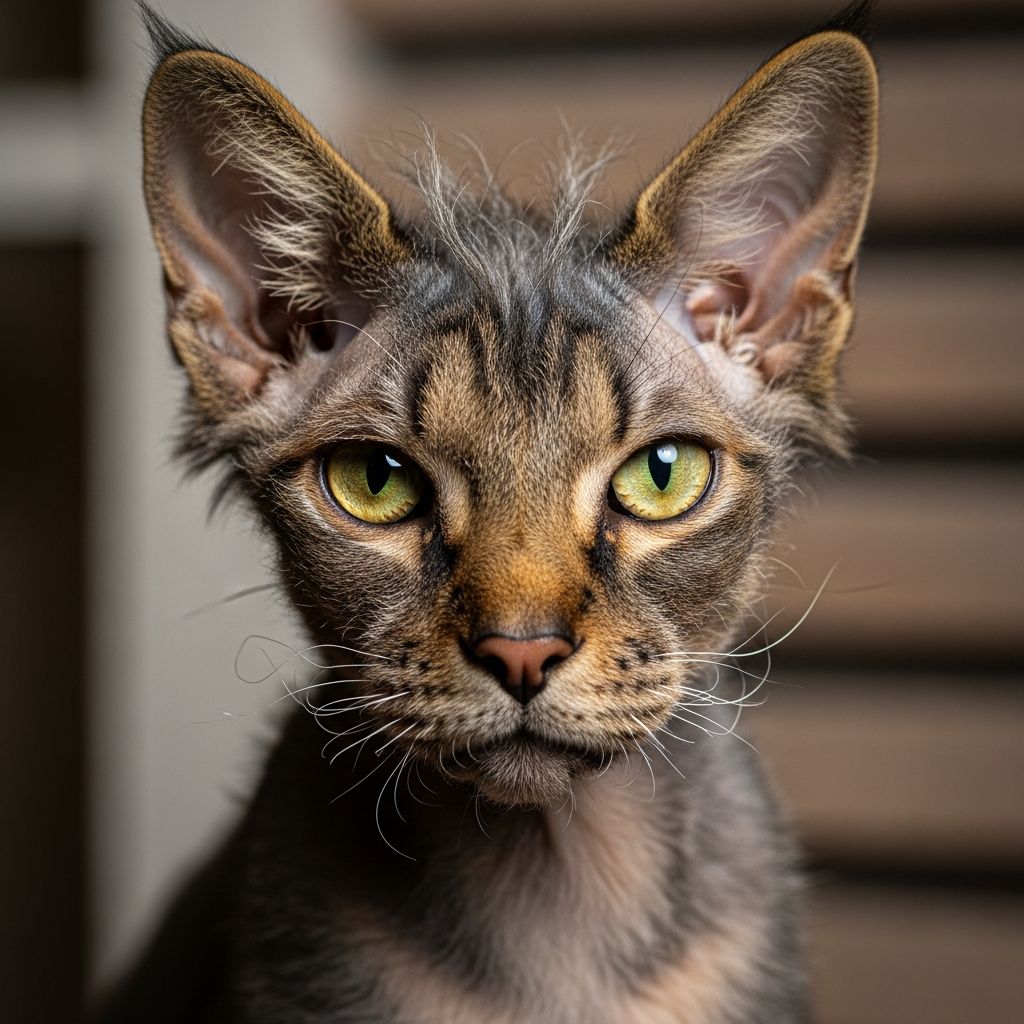
The Lykoi cat, commonly known as the “werewolf cat” or “wolf cat,” is one of the most distinctive and captivating cat breeds in the feline world. With their partially hairless faces, striking features, and mysterious appearance, these cats seem to have stepped directly out of a mythical tale. However, despite their otherworldly looks, Lykoi cats are real, friendly, and increasingly popular among cat enthusiasts who appreciate their unique charm and engaging personalities.
The name “Lykoi” is derived from the Greek word “lycos,” which means “wolf,” perfectly capturing the essence of this remarkable breed. What makes the Lykoi truly special is not just their appearance, but the story behind their discovery and development as a breed. Understanding the Lykoi breed requires exploring their origins, physical characteristics, behavioral traits, and the care they require to thrive as beloved pets.
The Origin and History of the Lykoi Breed
The story of the Lykoi breed is a fascinating tale of discovery and dedication that began in 2011. The breed’s origin can be traced to a natural genetic mutation that occurred in domestic shorthair cats over the past two decades, with the mutation appearing sporadically in feral cat populations. The journey toward establishing the Lykoi as a recognized breed started when Patti Thomas from Virginia received two unusual kittens from an unrelated litter, which were initially thought to be a Sphynx mutation.
Recognizing the unique nature of these cats, the kittens were brought to the attention of veterinarian Dr. Johnny Gobble and his wife Brittney Gobble in Vonore, Tennessee. The Gobbles undertook extensive health evaluations to determine whether the cats’ distinctive appearance was caused by illness or disease. These evaluations included examinations by dermatologists at the University of Tennessee, who conducted skin biopsies and found no evidence of disease or disorder. The cats were declared healthy, and their unique coat pattern was confirmed to be a natural genetic mutation.
After confirming that the unusual appearance was a true genetic trait rather than a health condition, the Gobbles began the intentional breeding program. On September 14th, 2011, the first kitten from a Lykoi-to-Lykoi breeding was born, marking the official beginning of the breed’s development. The breed was registered with The International Cat Association (TICA) as “experimental” status in 2011, moved to “Registration Only” status in 2012, and eventually achieved Championship status in 2017, allowing Lykoi cats to compete against other championship breeds in cat shows.
Distinctive Physical Characteristics
The Lykoi breed’s appearance is truly one-of-a-kind, featuring a combination of traits that set them apart from all other cat breeds. Their striking resemblance to werewolves is what has earned them their popular nickname and captured the imagination of cat enthusiasts worldwide.
Coat and Coloring
One of the most distinctive features of the Lykoi is their unique coat pattern. The breed has a short-to-medium-long coat that is soft and silky to the touch, despite its rough appearance. The coat is characterized by the complete absence of an undercoat, which is unusual among cat breeds. The coat features sparse hair on the legs, feet, and particularly around the face mask, creating the characteristic “werewolf” appearance.
The Lykoi’s most striking coat feature is their roan pattern, which is unique to this breed and does not exist in any other cat breed. This roan pattern is created by the intermixing of colored hairs and amelanistic (white) hairs throughout the coat. According to breed standards, the ideal amelanistic coverage ranges from 30 to 70%, depending on the depth of coat color and individual variation. While black is the most common color, Lykoi cats can come in various solid colors, with each color expressing the characteristic coat pattern dramatically.
One fascinating aspect of the Lykoi coat is its seasonal variation. These cats shed considerably as they age, and interestingly, they can sometimes lose almost all their hair, resulting in a Sphynx-like appearance that is only temporary. The hair regrows later in life depending on the season, making the Lykoi’s appearance dynamic and ever-changing throughout their lifespan.
Facial Features and Body Structure
The Lykoi’s facial features are equally distinctive and contribute significantly to their werewolf-like appearance. These cats have a modified wedge-shaped head with rounded contours, large, walnut-shaped eyes that typically range from yellow to greenish-yellow in color, and tall, erect ears that sit atop the head. The sparse hair around the eyes, nose, muzzle, and chin creates a distinctive partial hairlessness pattern that is the hallmark of the breed.
The Lykoi body is elegant, semi-foreign, and distinctly lithe without excessive bulk. They are medium-sized cats with slightly slender bodies and lean muscles that give them an athletic appearance. The tail is short and tapers to a point, completing the overall werewolf aesthetic that has made this breed so popular.
Personality and Temperament
Despite their fierce werewolf appearance, Lykoi cats are known for their friendly, engaging, and affectionate personalities. They are very active and curious cats with a high prey drive that makes them natural hunters, yet they have a remarkable ability to form strong bonds with their human companions.
Lykoi cats thrive on human attention and interaction, making them excellent pets for families and individuals who have time to engage with their feline companions. They are known to be unchallenging in their behavior and display a high level of affection for their owners. These cats are social and interactive, often following their owners around the house and participating actively in household activities.
While Lykoi cats would generally prefer to hunt and explore rather than simply cuddle on the couch, they form deep emotional connections with their families and require adequate mental and physical stimulation to remain happy and healthy. Their curious nature means they are always investigating their environment and looking for interactive play opportunities.
Health Considerations and Genetic Background
Understanding the genetic background of the Lykoi breed is important for prospective owners and breeders alike. DNA testing conducted by UC Davis confirmed that Lykoi cats do not carry the Sphynx or Devon Rex genes, making them genetically distinct from other hairless cat breeds.
The Lykoi’s unique appearance is caused by a recessive genetic mutation that affects hair follicle development. Research has shown that some hair follicles in Lykoi cats lack the necessary components required to produce hair, which is why the breed lacks an undercoat. Additionally, hair follicles that do produce hair often lack the proper balance of components needed to maintain the hair growth, which explains the seasonal shedding and occasional near-complete hair loss experienced by these cats.
To maintain genetic diversity and reduce the risk of inbreeding-related health problems, Lykoi breeding programs include extensive outcrossing with black domestic shorthair cats. This practice ensures that the breed remains healthy while maintaining the distinctive Lykoi characteristics. Even as the breed has developed, breeders continue to locate naturally occurring Lykoi mutations in feral cat populations and incorporate these cats into the breeding program to maintain genetic health.
Care and Maintenance Requirements
Caring for a Lykoi cat requires attention to their unique needs, particularly related to their distinctive coat and skin characteristics. Prospective Lykoi owners should understand the specific care requirements these cats need to remain healthy and comfortable.
Grooming and Skin Care
Due to their sparse coat and exposed skin areas, Lykoi cats require regular skin care and monitoring. Their partially hairless face and body can be more susceptible to environmental elements, so providing protection from extreme temperatures is important. Regular gentle grooming helps maintain their coat and allows owners to monitor skin health.
The roan coat pattern, while beautiful, requires minimal grooming compared to heavily coated breeds. However, during shedding seasons, which correspond with natural coat cycles, more frequent grooming may be necessary to manage loose hair.
Environmental Considerations
Because Lykoi cats have less hair coverage than most other breeds, they may be more sensitive to temperature extremes. Providing warm, comfortable spaces during colder months and ensuring adequate cooling during warmer seasons is important. Indoor living is recommended to protect their exposed skin from sunburn and environmental damage.
Exercise and Mental Stimulation
Lykoi cats are highly active and curious animals that require substantial mental and physical stimulation. Interactive toys, climbing structures, and regular playtime are essential components of Lykoi care. These cats benefit from puzzle toys and engaging activities that allow them to satisfy their natural hunting instincts.
Lykoi Cats as Companions
For those considering a Lykoi as a pet, understanding their compatibility with different living situations is essential. Lykoi cats are best suited for owners who can provide them with adequate attention, interaction, and environmental enrichment. They make excellent pets for active families, individuals working from home, or anyone willing to invest time in interactive play and companionship.
These cats can adapt to apartment living provided they have sufficient vertical space and mental stimulation. However, they thrive best in environments where they receive regular human interaction and have opportunities for active play.
Breed Recognition and Future Development
The Lykoi breed has achieved significant recognition in the cat fancy community. Championship status with TICA since 2017 represents a major milestone for the breed. Work continues on expanding and refining the breeding program to ensure the long-term health and stability of the breed while maintaining the distinctive Lykoi characteristics that make them so special.
As the breed continues to develop, breeders are discovering naturally occurring Lykoi mutations in feral cat populations across North America and working to incorporate this genetic diversity into established breeding programs. This approach ensures that the breed maintains genetic health while preserving the unique traits that define the Lykoi.
Frequently Asked Questions (FAQs)
Q: What does “Lykoi” mean?
A: The name “Lykoi” is derived from the Greek word “lycos,” which means “wolf,” reflecting the breed’s distinctive werewolf-like appearance.
Q: Are Lykoi cats hairless like Sphynx cats?
A: No, Lykoi cats are not entirely hairless. They are partially hairless with sparse hair on their legs, feet, and face. DNA testing has confirmed they are genetically distinct from Sphynx cats and do not carry the Sphynx or Devon Rex genes.
Q: Do Lykoi cats require special care?
A: While Lykoi cats don’t require extensive grooming, they do benefit from regular skin monitoring and protection from temperature extremes. They require substantial mental and physical stimulation to remain happy and healthy.
Q: Can Lykoi cats go outdoors?
A: Indoor living is recommended for Lykoi cats to protect their exposed skin from sunburn and environmental damage, though supervised outdoor time may be possible with appropriate protection.
Q: Are Lykoi cats good family pets?
A: Yes, Lykoi cats make excellent family pets. They are friendly, affectionate, and thrive on human interaction, though they require active engagement and mental stimulation from their owners.
Q: How much does a Lykoi kitten cost?
A: Lykoi kittens are rare and typically more expensive than standard domestic cats. Prices vary significantly based on breeder location, pedigree, and availability, but they generally range considerably higher than typical cat breeds.
Q: Is the Lykoi breed recognized by major cat associations?
A: Yes, the Lykoi breed has achieved Championship status with The International Cat Association (TICA) as of 2017 and is recognized by other major cat associations and breeding organizations.
References
- Lykoi – Wikipedia — Wikimedia Foundation. 2025. https://en.wikipedia.org/wiki/Lykoi
- Lykoi Facts – Cat Breeds — Wisdom Panel. 2025. https://www.wisdompanel.com/en-us/cat-breeds/lykoi
- Breed History — Lykoi Kitten. 2025. https://lykoikitten.com/history/
- Lykoi Breed Standard — The Cat Fanciers’ Association. 2025. https://cfa.org/breed/lykoi/
- Werewolf, There Wolf: Variants in Hairless Associated with the Lykoi — National Institute of Health, PubMed Central. 2020. https://pmc.ncbi.nlm.nih.gov/articles/PMC7348984/
- Watching the Birth of a New Breed: the Werewolf Cat — Nautilus Magazine. 2018. https://nautil.us/watching-the-birth-of-a-new-breed-the-werewolf-cat-235088/
Similar Articles








Read full bio of medha deb




