

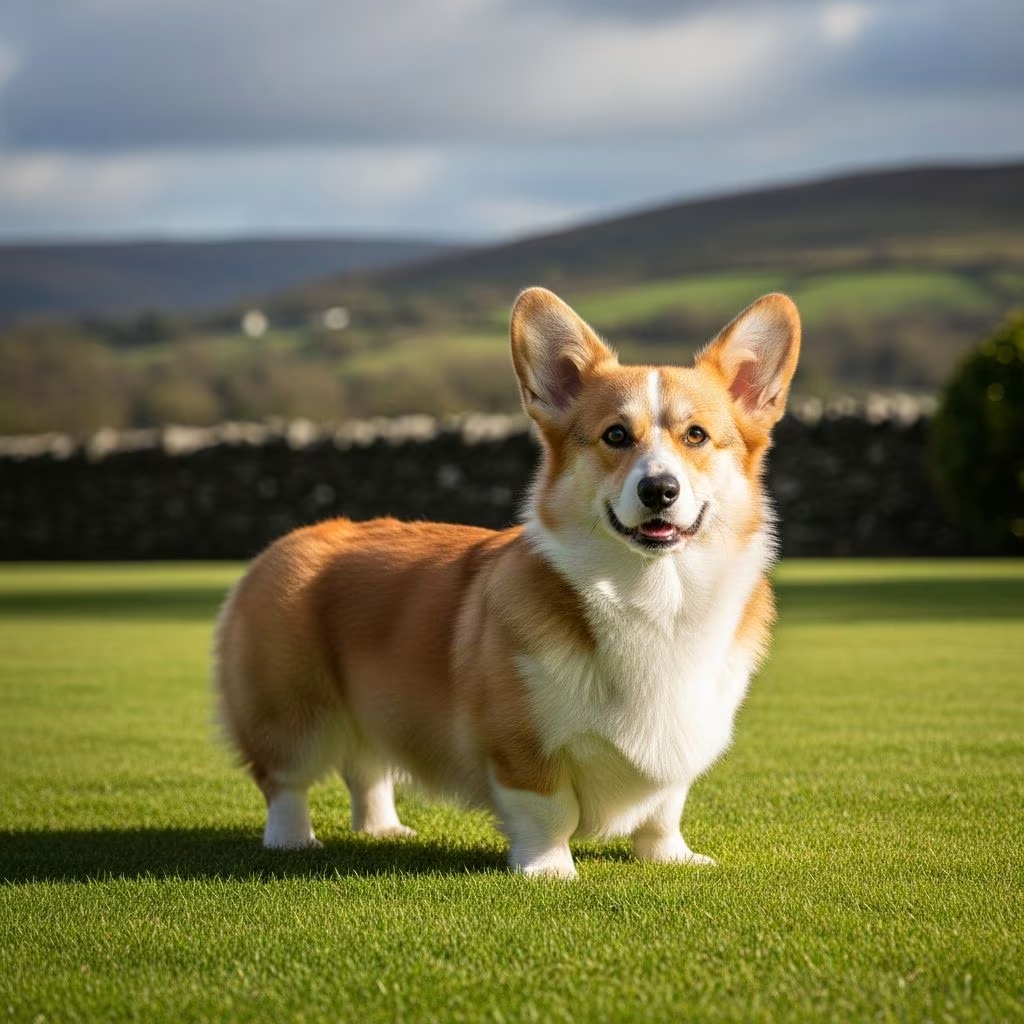
The Welsh Corgi, with its distinctive short legs, fluffy coat, and alert expression, has captured hearts worldwide as a symbol of joy and loyalty. These compact herders originated in Wales, excelling at driving cattle through rugged terrain with remarkable agility despite their stature. Today, they blend working heritage with family companionship, making them ideal for active households.
Ancient Roots in Welsh Hills
Welsh Corgis trace their lineage to the misty hills of Wales, where they served as indispensable farm dogs for centuries. Historians point to influences from Scandinavian raiders around the 9th or 10th century, who may have brought ancestors resembling the Swedish Vallhund to the British Isles. These dogs interbred with local Welsh herders, producing offspring skilled in cattle driving.
By the 12th century, Flemish weavers settling in Pembrokeshire introduced Spitz-type dogs, further shaping the breed’s foxy face and sturdy build. The original Corgis were low-slung, muscular workers with outbent forelegs and heavy bones, perfectly adapted for nipping at livestock heels without being kicked. Their stocky frames allowed them to roll away from danger, a survival trait honed on common lands where families defended grazing territories.
Two varieties emerged: the Pembroke, from southern Wales with a shorter tail and lighter frame, and the Cardigan, from the north with a longer tail and teckel-like influences. These cousins were initially interbred until formal separation in 1934 by the English Kennel Club.
Pembroke vs. Cardigan: Key Differences
While sharing herding prowess, Pembroke and Cardigan Welsh Corgis differ in appearance and subtle traits. Use this table for a quick comparison:
| Feature | Pembroke Welsh Corgi | Cardigan Welsh Corgi |
|---|---|---|
| Tail | Naturally short or docked | Long and foxbrush-like |
| Ears | Larger, more pointed | Slightly rounded |
| Coat Color | Red, sable, fawn; merle rare | Merle common; more varied |
| Build | Lighter, foxier head | Sturdier, longer body |
| Height | 10-12 inches | 10-12 inches |
Pembrokes gained global fame faster, thanks to royal endorsement, while Cardigans retain a more rugged, ancient look.
Signature Physical Traits
Corgis boast a unique silhouette: long body, short legs, and expressive faces. Their double coat is weather-resistant, with a dense undercoat and coarser outer guard hairs. Pembroke coats come in vibrant shades like red and white, while Cardigans offer deeper merles and brindles.
- Short Legs: Measuring 10-12 inches at the shoulder, these enable dodging hooves while herding.
- Alert Ears: Erect and mobile, they detect distant sounds on the farm.
- Foxy Muzzle: Sharp and intelligent, paired with dark, soulful eyes.
- Feathered Tail: (Cardigan) or stubby (Pembroke), adding to their charm.
Males typically weigh 25-30 pounds, females slightly less, emphasizing their compact power.
Vibrant Temperament and Behavior
Beneath the adorable exterior lies a bold, intelligent herder. Corgis are affectionate yet independent, forming deep bonds with families. Their Viking ancestry shines in spirited energy and watchdog instincts—they bark alertly at intruders but warm to trusted humans.
- Playful and mischievous, they love games that tap herding roots, like chasing balls.
- Loyal companions, often shadowing owners with “velcro dog” devotion.
- Good with kids if socialized, though their nipping tendency requires supervision.
- Trainable minds excel in obedience and agility sports.
Expect vocalizations; their herding bark signals boredom or excitement. Early training curbs excessive noise.
Essential Care and Grooming Routines
Maintaining a Corgi’s coat and health demands consistency. Brush weekly to manage shedding, doubling during seasonal blows. Bathe monthly with gentle shampoos to preserve natural oils.
- Coat Maintenance: Use a slicker brush for undercoat removal; focus on feathering around legs and rear.
- Nail Trims: Every 4-6 weeks to prevent overgrowth.
- Dental Care: Daily brushing and vet checkups fight plaque.
- Ear Cleaning: Weekly wipes to avoid infections in upright ears.
Exercise needs 30-60 minutes daily: walks, fetch, or herding trials keep them fit. Mental puzzles prevent destructive chewing.
Nutrition for Optimal Health
Feed high-quality, breed-specific kibble portioned to 1-2 cups daily, split into meals. Prioritize proteins from chicken or fish, with glucosamine for joint support given their build.
- Puppies: 3-4 meals/day until 6 months.
- Adults: Monitor weight to avoid obesity, a breed risk.
- Seniors: Lower calories, added joint supplements.
Fresh water always; treats under 10% of intake.
Health Considerations and Lifespan
Corgis live 12-15 years but face breed-specific issues like hip dysplasia, degenerative myelopathy, and von Willebrand’s disease. Back problems from their long spines necessitate weight control and ramps over stairs.
Regular vet visits catch early signs. Screenings for eyes (PRA) and hearts are vital. Spay/neuter timing consults breeders.
Training Strategies for Success
Harness their smarts with positive reinforcement. Start puppy classes for socialization.
- Basic Commands: Sit, stay, recall—use treats and praise.
- Herding Control: Redirect nipping to toys.
- Agility: Low obstacles build confidence.
- Crate Training: For house manners.
Consistency yields quick results; their eagerness shines.
Bringing a Corgi Home: Adoption Tips
Choose reputable breeders or rescues emphasizing health testing. Puppies cost $1,000-$2,500; adults less. Prepare with secure fencing—Corgis chase instincts demand it.
Family integration: Supervise with toddlers, introduce slowly to other pets.
Fun Folklore and Modern Popularity
Legends claim fairies rode Corgis as steeds, leaving “saddles” on their backs. Queen Elizabeth II’s fondness boosted Pembrokes globally post-1930s. Today, they thrive in agility, therapy, and social media stardom.
Frequently Asked Questions
Are Corgis good family dogs?
Yes, their affectionate nature suits families, but supervise play due to herding nips.
How much exercise do Corgis need?
45-60 minutes daily, mixing walks and play to channel energy.
Do Corgis shed a lot?
Moderate shedders; weekly brushing controls it.
What’s the difference between Pembroke and Cardigan?
Pembrokes have short tails and foxier faces; Cardigans longer tails and merle coats.
Are Corgis easy to train?
Highly intelligent and responsive to positive methods.
References
- History of the Breed — Mayflower Pembroke Welsh Corgi Club. Accessed 2026. https://www.mayflowercorgiclub.org/history-of-the-breed.html
- The Original Corgi — Welsh Corgi News. Accessed 2026. https://www.welshcorgi-news.ch/Leseecke/InfoCorgi/Original_corgi_eng.html
- Pembroke Welsh Corgi History — American Kennel Club. 2023-10-15. https://www.akc.org/expert-advice/dog-breeds/pembroke-welsh-corgi-history/
- Corgi Temperament, Lifespan & History — Pooch & Mutt. Accessed 2026. https://www.poochandmutt.co.uk/blogs/by-breed/corgi



