

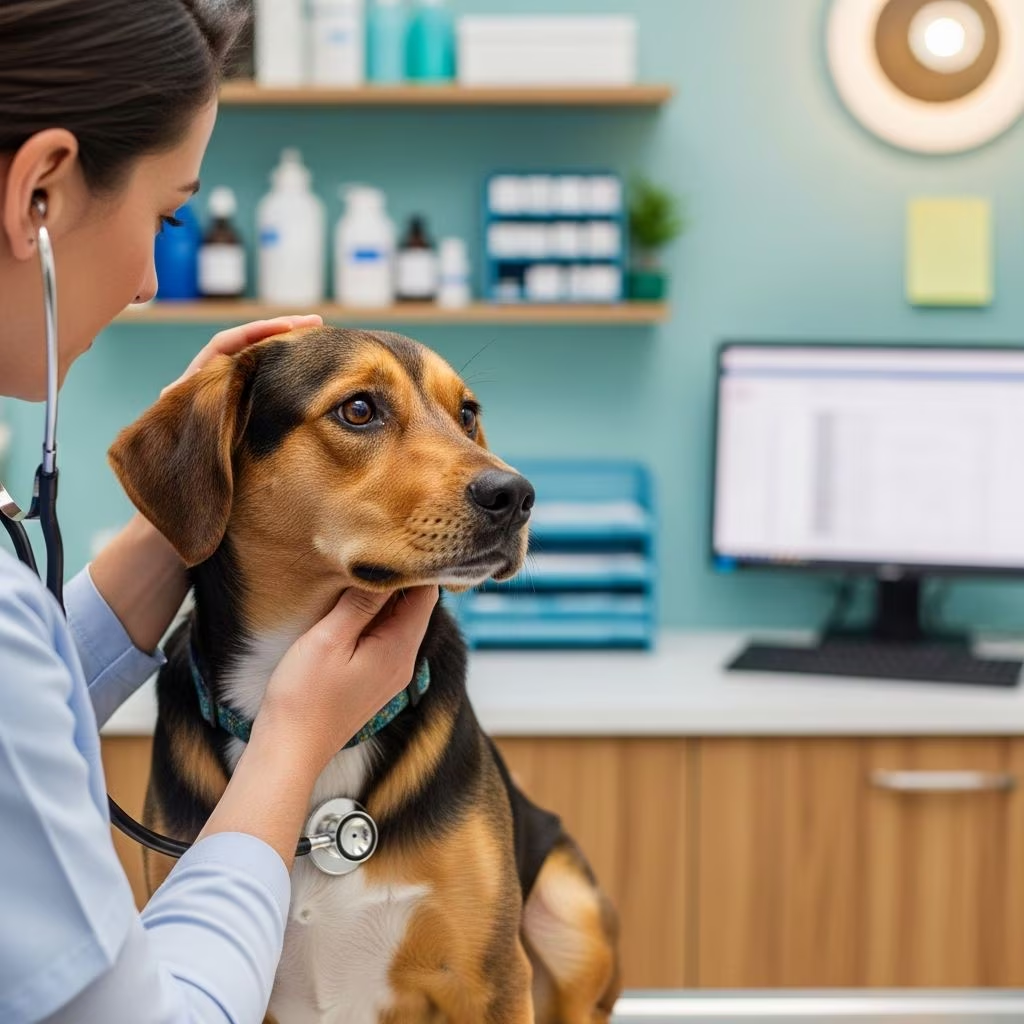
Understanding Wellness Examinations in Dogs
A wellness examination is a fundamental component of responsible dog ownership and veterinary preventive care. During a routine wellness examination, your veterinarian performs a comprehensive evaluation of your dog’s overall health status, identifies potential health concerns before they become serious problems, and establishes a baseline for your pet’s normal health values. These examinations are critical for maintaining your dog’s quality of life and detecting diseases in their early, more treatable stages.
Regular wellness exams serve as an opportunity for open communication between you and your veterinary team. Your veterinarian can provide personalized recommendations based on your dog’s age, breed, size, lifestyle, and individual health history. For puppies and senior dogs, these exams become even more critical as they age faster than middle-aged dogs and require more frequent monitoring.
What Your Veterinarian Will Ask During a Wellness Examination
The wellness examination begins with a detailed discussion between you and your veterinarian. This conversation is just as important as the physical examination itself, as it provides essential context for your dog’s health status. Your veterinarian will ask comprehensive questions about various aspects of your dog’s daily life and behavior.
Your veterinarian will inquire about your dog’s diet, including the type of food, portion sizes, and feeding frequency. They will also ask about your dog’s exercise routine, play habits, and activity level. Questions about water consumption are important, as increased or decreased thirst can indicate underlying health issues such as diabetes or kidney disease.
Additional questions will cover your dog’s elimination patterns, including the frequency and consistency of bowel movements and urination. Your veterinarian will also ask about any changes in your dog’s behavior, habits, and general demeanor. Breathing patterns, sleep habits, and any observed signs of discomfort or pain are important topics. Your veterinarian may also inquire about your dog’s lifestyle, including whether your dog spends time outdoors, interacts with other animals, or travels frequently, as these factors can influence health risks.
The Physical Examination Component
After the initial discussion, your veterinarian will conduct a thorough physical examination of your dog. This systematic evaluation covers every body system and helps identify any abnormalities or areas of concern.
General Appearance and Mobility
Your veterinarian will begin by observing your dog’s overall appearance and demeanor. They will assess how your dog walks and stands, noting any signs of lameness, stiffness, or difficulty with movement. Your veterinarian will determine whether your dog appears bright and alert, responsive to stimuli, and comfortable. These observations can reveal neurological issues, joint problems, or pain that might not be immediately obvious.
Body Condition Assessment
Body weight and body condition are critical indicators of your dog’s health. Your veterinarian will measure your dog’s weight and evaluate body condition to determine whether your pet maintains an appropriate weight for their age, breed, and size. An overweight or underweight dog faces increased health risks. Your veterinarian will assess muscle condition, looking for any signs of muscle wasting, which can indicate malnutrition, metabolic disease, or other serious health conditions.
Coat and Skin Evaluation
The health of your dog’s coat and skin provides valuable information about overall wellness. Your veterinarian will examine the haircoat for excessive dryness, excessive oiliness, evidence of dandruff, excessive shedding, or abnormal hair loss. These signs can indicate allergies, parasitic infections, nutritional deficiencies, or skin diseases. The skin itself will be inspected for oiliness, dryness, dandruff, lumps, bumps, or areas of abnormal thickening that might suggest tumors or other dermatological conditions.
Eye Examination
Your veterinarian will carefully examine your dog’s eyes for redness, discharge, evidence of excessive tearing, abnormal lumps or bumps on the eyelids, how well the eyelids close, cloudiness, or any other abnormalities. These findings can indicate infections, allergies, cataracts, glaucoma, or other ophthalmologic conditions that affect your dog’s vision and comfort.
Ear Examination
The ears will be examined for debris or wax buildup in the ear canal, thickening, hair loss, or any other signs of problems. Ear infections are common in dogs and can be painful if left untreated. Early detection during wellness exams helps prevent chronic ear disease.
Nose and Face Assessment
Your veterinarian will assess your dog’s nose and face for symmetry and any abnormal discharges. They will evaluate how well your dog breathes and whether there are any problems related to skin folds, particularly in brachycephalic (flat-faced) breeds. Breathing difficulties and nasal discharge can indicate respiratory infections, allergies, or structural abnormalities.
Mouth and Dental Health
Oral health is a critical but often overlooked aspect of canine wellness. Your veterinarian will examine your dog’s mouth and teeth for tartar buildup, gum disease, retained baby teeth, broken teeth, excessive salivation, staining around the lips, and ulcers in or around the mouth. Dental disease is one of the most common health problems in dogs and can lead to serious systemic infections if left untreated.
Listening and Feeling During the Examination
Beyond visual inspection, your veterinarian uses additional examination techniques to assess your dog’s internal health.
Cardiac and Pulmonary Auscultation
Your veterinarian will listen to your dog’s heart using a stethoscope, listening for abnormal heart rate, heart rhythm irregularities (such as “skipped beats” or “extra beats”), or heart murmurs. These findings can indicate congenital heart disease, acquired heart conditions, or other cardiac problems. Your veterinarian will also listen to the lungs for evidence of increased or decreased breath sounds, which might suggest pneumonia, fluid accumulation, or other respiratory issues.
Pulse Assessment
If your veterinarian hears anything unusual during cardiac auscultation, they may simultaneously listen to the chest and palpate (feel) the pulse in the hind legs to gather additional information about your dog’s cardiovascular status.
Lymph Node Palpation
Your veterinarian will feel the lymph nodes in the region of the head, neck, and hind legs, looking for swelling or pain. Enlarged lymph nodes can indicate infection, inflammation, or malignancy.
Limb and Joint Examination
Your veterinarian will examine your dog’s legs, looking for evidence of lameness, muscle problems, nerve problems, and issues with the paws or toenails. This assessment helps identify orthopedic problems, arthritis, or neurological issues that might affect your dog’s mobility and quality of life.
Abdominal Palpation
Your veterinarian will carefully feel your dog’s abdomen to assess organ size, shape, and texture. They will check for signs of pain or discomfort, enlargement of organs, fluid accumulation, or abnormal masses. This palpation can reveal problems with the liver, kidneys, spleen, bladder, stomach, and intestines.
Additional Screening Tests and Diagnostics
As part of a complete wellness examination, your veterinarian will usually recommend wellness screening tests. These tests provide valuable information about your dog’s internal health and can detect diseases before clinical signs appear.
Fecal Examination
Your veterinarian will recommend that a fresh sample of your dog’s feces be collected prior to or during the wellness examination. This sample will be processed and microscopically evaluated for the presence of parasite eggs. In puppies, monthly fecal examinations are extremely important since many puppies have intestinal parasites that require treatment.
Heartworm Testing
Your veterinarian will recommend heartworm testing on a schedule that is appropriate for your geographical location. Heartworm disease is a serious, potentially fatal condition transmitted by mosquitoes, and prevention and early detection are critical.
Blood Work Screening
There are four main categories of wellness blood testing recommended for dogs:
- Complete Blood Count (CBC) – Evaluates red blood cells, white blood cells, and platelets to detect anemia, infection, or blood disorders
- Biochemistry Profile – Assesses organ function and electrolyte balance, providing information about the liver, kidneys, and pancreas
- Urinalysis – Detects infections, kidney disease, diabetes, and other urinary tract conditions
- Thyroid Hormone Testing – Screens for thyroid disease, which is common in dogs and affects metabolism
Age-Specific Testing Recommendations
In younger dogs without noticeable health complaints, relatively simple testing may be adequate. However, in middle-aged, senior, or geriatric dogs, more comprehensive testing is advisable. For older dogs, additional wellness screening tests may include chest or abdominal radiographs (X-rays) to assess the size and appearance of internal organs such as the heart, lungs, kidneys, and liver, or radiographs of the skeletal system to look for degenerative changes in bones or joints.
Understanding Dog Aging and Examination Frequency
Dogs age at different rates depending on their breed and size. Large dog breeds age faster than smaller breeds. After the second year of life, the aging rate is approximately four or five years per calendar year, depending on the breed and size. This variation in aging rates means that senior dogs require more frequent wellness examinations and more comprehensive screening tests to monitor for age-related diseases.
Preventive Care Recommendations
Based on the findings from your dog’s wellness examination, your veterinarian will provide specific recommendations for preventive care. These recommendations may include:
- Preventive medications such as parasite control products and vaccinations
- Nutritional counseling and diet recommendations tailored to your dog’s age, size, and health status
- Weight management strategies if your dog is overweight or underweight
- Joint health supplements or medications for dogs at risk of arthritis
- Skin care recommendations for dogs with dermatological issues
- Dental care advice and professional cleaning recommendations
The Importance of Annual Wellness Exams
Regular wellness examinations are a vital component of preventive medicine for dogs. The goal of preventive medicine is to find and treat diseases in their early stages, before they progress to advanced conditions that are more difficult and expensive to treat. By investing in regular wellness exams, you help minimize the risk of costly veterinary emergencies and maximize your dog’s quality of life and longevity.
Frequently Asked Questions
Q: How often should my dog have a wellness examination?
A: Most adult dogs should have annual wellness examinations. Puppies and senior dogs (typically over age 7) should be examined more frequently, often every 6 months, to monitor for age-related health changes and catch problems early.
Q: What should I bring to my dog’s wellness exam?
A: Bring a fresh stool sample if your veterinarian has requested one, your dog’s medical records, a list of any medications or supplements your dog is taking, and information about any health concerns you’ve noticed. Also bring your vaccination records if visiting a new veterinarian.
Q: Why does my senior dog need more frequent exams?
A: Senior dogs age faster than younger dogs and are more susceptible to age-related diseases such as arthritis, heart disease, kidney disease, and cancer. More frequent exams allow your veterinarian to monitor for these conditions and adjust treatment plans as needed.
Q: What if my dog shows signs of illness between wellness exams?
A: You should contact your veterinarian immediately if your dog shows signs of illness such as vomiting, diarrhea, lethargy, loss of appetite, difficulty breathing, or any other concerning symptoms. Don’t wait until the next scheduled wellness exam.
Q: Are wellness screening tests really necessary?
A: Yes, wellness screening tests are valuable because they detect diseases early, when treatment is less costly, less invasive, and less stressful for your dog. Early detection of conditions like kidney disease or diabetes can significantly improve outcomes.
Q: How can I prepare my dog for a wellness examination?
A: Collect a fresh stool sample, make a list of any health concerns, note any changes in behavior or habits, and keep your dog calm and comfortable before the appointment. Providing this information helps your veterinarian conduct a more thorough assessment.
References
- Wellness Examination in Dogs — VCA Animal Hospitals. 2025. https://vcahospitals.com/know-your-pet/wellness-examination-in-dogs
- What Is Included in a Pet Wellness Exam — Kankakee Animal Hospital. 2025. https://www.kankakeeanimal.com/blog/what-is-included-in-a-pet-wellness-exam.html
- Annual Wellness Exams: Key to Your Pet’s Lifelong Health — Wells Wood Animal Hospital. 2025. https://www.wellswoodah.com/blog/annual-wellness-exams-key-to-your-pets-lifelong-health
- What to Expect When You Attend a Wellness Exam for Your Pet — Madison Park Veterinary Hospital. 2024-01-31. https://www.madisonparkvet.com/site/blog/2024/01/31/what-expect-when-you-attend-wellness-exam-pet
- Cat & Dog Routine Exams — Des Moines Veterinary Clinic. 2025. https://www.dmvet.net/site/veterinary-services-des-moines/cat-dog-routine-exams
- Cat & Dog Wellness Exams in Rochester, NY — Stoney Point Veterinary Hospital. 2025. https://www.stoneypointevet.com/site/veterinary-services-rochester/cat-dog-routine-exams



