Wellness Examination in Cats
Complete guide to feline wellness exams and preventive health screening for cats.
Understanding the Importance of Wellness Examinations in Cats
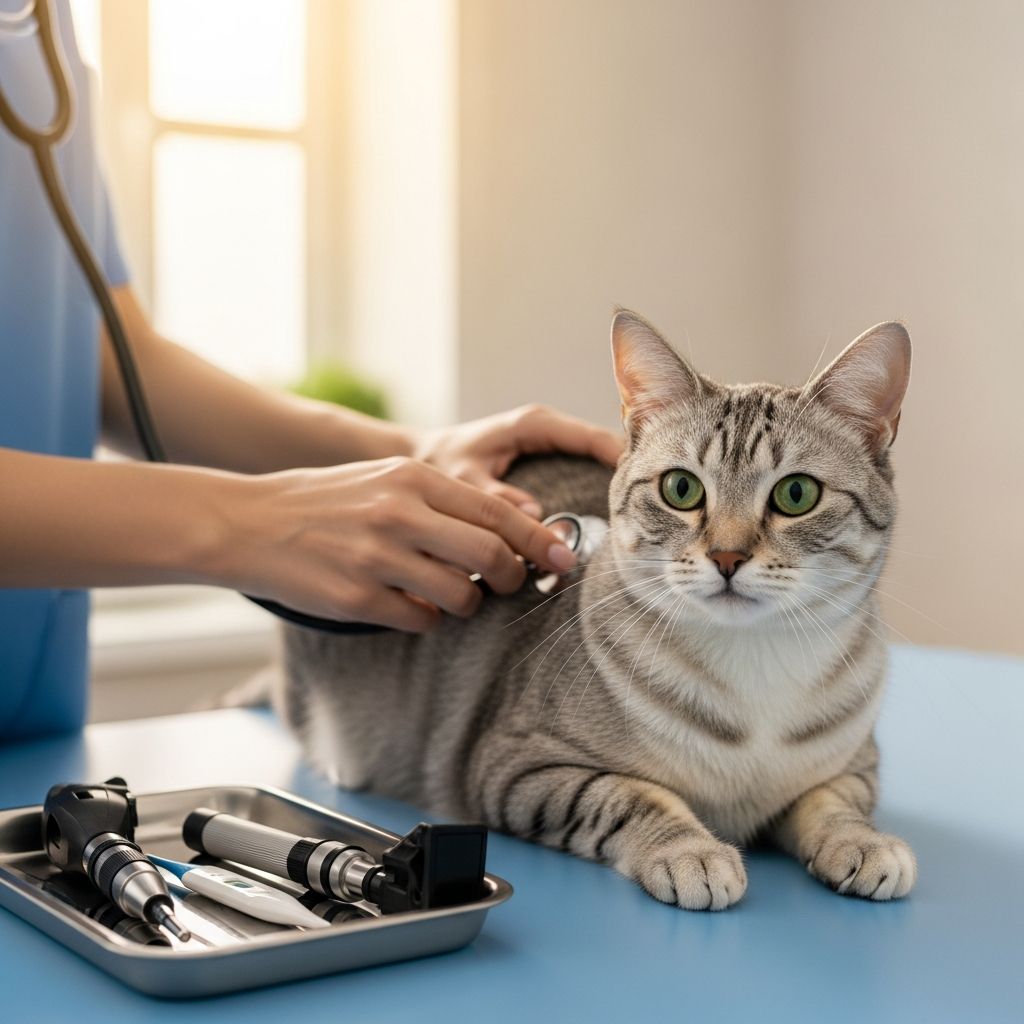
A wellness examination is one of the most important health investments you can make for your feline companion. Regular wellness exams serve as preventive care, allowing veterinarians to identify potential health issues before they become serious problems. These comprehensive health assessments are comparable to annual physical examinations that humans receive from their primary care physicians. During a wellness exam, your veterinarian conducts a thorough evaluation of your cat’s overall health status, lifestyle, and well-being.
The American Veterinary Medical Association (AVMA) emphasizes the critical role of wellness exams in maintaining feline health and longevity. These examinations provide an opportunity to catch diseases in their earliest stages when they are most treatable. For indoor cats, outdoor cats, kittens, and senior felines alike, regular wellness exams form the foundation of a comprehensive preventive health care program.
What Your Veterinarian Will Ask During a Wellness Examination
Before your veterinarian performs the physical examination, they will gather detailed information about your cat’s health history and lifestyle. This conversation is an essential part of the wellness exam process, as it provides context for the physical findings and helps identify potential risk factors for various health conditions.
Your veterinarian will typically ask about the following aspects of your cat’s life:
- Your cat’s diet and eating habits
- Daily water consumption and drinking patterns
- Amount and type of exercise your cat receives
- Breathing patterns and any respiratory concerns
- Behavioral changes or unusual habits
- Litterbox habits and any changes in urination or defecation
- Whether your cat lives indoors, outdoors, or both
- General health concerns or observations you’ve noticed
These questions help your veterinarian understand your cat’s baseline health status and identify any changes that might warrant further investigation. By combining this information with physical findings, your vet can develop a personalized preventive care plan tailored to your cat’s specific needs.
The Physical Examination: Head-to-Tail Assessment
During a comprehensive wellness examination, your veterinarian will perform a detailed head-to-tail physical assessment of your cat. This systematic evaluation covers multiple body systems and helps detect abnormalities that might not be apparent to pet owners. In many cases, you may not even realize your veterinarian is conducting certain parts of the physical exam, especially if no abnormalities are found.
General Assessment and Vital Signs
Your veterinarian will begin by evaluating your cat’s overall appearance and behavior. They will assess your cat’s general level of alertness and interest in its surroundings, noting whether your cat is responsive and engaged. Your cat’s body condition will be evaluated to determine whether your pet has an appropriate weight and body condition—neither too fat nor too thin. Additionally, your veterinarian will check muscle condition to identify any signs of muscle wasting, which can indicate underlying health problems.
Vital signs including temperature, pulse, and respiration rate will be recorded as baseline measurements for comparison at future visits. These measurements provide important information about your cat’s cardiovascular and respiratory health.
Coat and Skin Evaluation
Your veterinarian will carefully examine your cat’s haircoat, looking for excessive dryness, excessive oiliness, evidence of dandruff, excessive shedding, or abnormal hair loss. The skin will be inspected for oiliness, dryness, dandruff, lumps or bumps, areas of abnormal thickening, or other concerning features. Skin conditions can indicate nutritional deficiencies, parasitic infections, allergies, or other systemic health issues.
Eye, Ear, and Nasal Assessment
The eyes will be examined for redness, discharge, evidence of excessive tearing, abnormal lumps or bumps on the eyelids, how well the eyelids close, cloudiness, or any other abnormalities. Early detection of eye conditions can prevent vision loss and discomfort.
Your veterinarian will inspect the ears for debris or wax in the ear canal, thickening, hair loss, or any other signs of problems. The nose and face will be assessed for symmetry, discharge, breathing patterns, and any issues related to skin folds or other apparent problems. Ear and nasal issues can affect your cat’s hearing, balance, and overall quality of life.
Oral Cavity and Dental Examination
Your veterinarian will perform a thorough examination of your cat’s mouth and teeth, looking for tartar build-up, gum disease, retained baby teeth, broken teeth, excessive salivation, staining around the lips, ulcers in or around the mouth, or other dental abnormalities. Dental disease is one of the most common health problems in cats and can lead to serious systemic infections if left untreated.
Cardiovascular and Respiratory Assessment
Your veterinarian will listen to your cat’s heart and lungs using a stethoscope to check for normal heart rhythm, heart murmurs, or any irregularities that might signal heart disease or respiratory problems. These findings are crucial for identifying cardiovascular conditions early when treatment options are most effective.
Abdominal Palpation
Your veterinarian will carefully feel the abdominal area, assessing the bladder, kidneys, liver, intestines, spleen, and stomach to determine whether these organs appear normal or abnormal. This palpation technique helps identify any subtle evidence of discomfort, organ enlargement, or abnormal masses that might indicate disease.
Limbs, Joints, and Nervous System Assessment
Your veterinarian will evaluate the legs for evidence of lameness, muscle problems, nerve problems, problems with the paws or toenails, and joint issues. The nervous system will be assessed through observation of your cat’s gait, coordination, and reflexes. These evaluations help identify orthopedic problems, neurological issues, or pain that might affect your cat’s mobility and quality of life.
Lymph Node and Hydration Assessment
Lymph nodes will be palpated to check for enlargement, which could indicate infection or other health concerns. Your veterinarian will also assess your cat’s hydration status by evaluating skin turgor and mucous membrane moisture, ensuring your cat is well-hydrated.
Additional Testing During Wellness Examinations
Beyond the physical examination, your veterinarian will typically recommend wellness screening tests as part of a complete wellness examination. These diagnostic tests provide valuable information about your cat’s internal health that cannot be detected through physical examination alone.
Fecal Examination
Your veterinarian will recommend that a fresh sample of your cat’s feces be collected prior to the wellness examination. This sample will be processed and microscopically evaluated for the presence of parasite eggs. In kittens, monthly fecal examinations are extremely important, since many kittens have intestinal parasites. Your veterinarian may also recommend heartworm testing if you live in an area with a high incidence of this parasitic disease.
Complete Blood Count (CBC)
A complete blood count provides crucial insights into your cat’s health by measuring the levels of different types of blood cells. This test can help detect anemia, infection, immune system disorders, and leukemia. The CBC helps assess your cat’s ability to carry oxygen, fight infections, and maintain normal blood clotting.
Biochemistry Profile
Blood chemistry tests measure the levels of various chemicals and enzymes in the blood to assess overall organ function. These tests evaluate kidney function, liver function, blood glucose levels, electrolyte balance, and other important metabolic parameters. Abnormalities in these values can indicate diabetes, kidney disease, liver disease, thyroid disorders, or other systemic conditions.
Urinalysis
Urinalysis helps detect dehydration, kidney function abnormalities, infection, internal bleeding, and other common problems. This test is particularly important in cats, as urinary tract disease and kidney disease are among the most common health issues affecting felines. Urinalysis can detect early signs of these conditions before symptoms become apparent.
Thyroid Hormone Testing
Thyroid hormone testing evaluates your cat’s thyroid function. Hyperthyroidism is a common condition in older cats that can cause weight loss, increased appetite, hyperactivity, and cardiac problems if left untreated. Early detection through thyroid screening allows for effective management of this condition.
Advanced Imaging and Blood Pressure Measurement
For older cats, senior cats, or geriatric cats, additional wellness screening tests may include chest or abdominal radiographs (X-rays) to assess the size and appearance of internal organs such as the heart, lungs, kidneys, and liver. Radiographs of the skeletal system may be recommended to look for degenerative changes in the bones or joints. Blood pressure measurement may also be recommended, especially for cats with hypertension or other cardiovascular concerns.
Customizing Wellness Testing Based on Cat Age and Health Status
The extent and type of wellness testing recommended by your veterinarian will depend on your cat’s age, health status, and medical history. Different life stages and health conditions warrant different diagnostic approaches.
Young and Healthy Cats
In younger cats without noticeable health complaints, relatively simple testing may be adequate. Young, healthy cats that are up-to-date on vaccinations may require only basic blood work and urinalysis to establish baseline values and identify any early signs of disease.
Middle-Aged Cats
For middle-aged cats, more comprehensive testing is advisable to monitor for age-related conditions that commonly develop during this life stage. More extensive screening helps catch diseases like diabetes, kidney disease, and thyroid disorders before they advance.
Senior and Geriatric Cats
For older and geriatric cats, comprehensive wellness screening tests are highly recommended. These cats benefit from the most extensive testing protocols, which may include complete blood panels, urinalysis, thyroid screening, blood pressure measurement, and advanced imaging such as X-rays. Senior cats are at increased risk for multiple concurrent health conditions, and thorough screening helps ensure early intervention and appropriate management.
Preventive Care Recommendations
Based on the findings of your cat’s wellness examination, your veterinarian may recommend specific preventive treatments tailored to your cat’s individual needs. These recommendations form the foundation of your cat’s long-term health and disease prevention strategy.
Common preventive recommendations may include:
- Vaccination updates to protect against preventable infectious diseases
- Parasite control medications to prevent fleas, ticks, and internal parasites
- Dental care recommendations, including professional cleaning if needed
- Nutritional supplements based on your cat’s age and health status
- Dietary modifications to support optimal health and prevent obesity
- Environmental enrichment suggestions to support behavioral health
- Weight management programs if your cat is overweight or underweight
Frequently Asked Questions About Cat Wellness Examinations
Q: How often should my cat have a wellness examination?
A: Most adult cats should have a wellness examination at least once per year. Senior cats (ages 7-10 and older) should have wellness exams at least twice per year to monitor for age-related health changes.
Q: What should I bring to my cat’s wellness appointment?
A: Bring a fresh stool sample if possible, your cat’s medical records from any previous veterinarians, a list of any medications or supplements your cat is taking, and any questions or concerns you have about your cat’s health.
Q: How long does a wellness examination typically take?
A: A comprehensive wellness examination usually takes 30 to 45 minutes, depending on your cat’s age, health status, and the extent of testing recommended.
Q: Will my cat need blood work at every wellness exam?
A: Not necessarily. Young, healthy cats may not require annual blood work, but senior cats and cats with health concerns typically benefit from annual blood work and urinalysis to monitor organ function.
Q: Can I prepare my cat for the wellness exam?
A: Yes, you can help by keeping your cat calm before the appointment, ensuring you have any relevant medical records available, collecting a fresh stool sample if requested, and preparing a list of questions for your veterinarian.
Q: What should I do if my veterinarian finds an abnormality during the wellness exam?
A: Your veterinarian will discuss the findings with you and recommend appropriate follow-up testing, treatment options, or lifestyle modifications. Early detection of health problems often allows for more effective treatment and better outcomes.
References
- Wellness Examination in Cats — VCA Animal Hospitals. 2024. https://vcahospitals.com/know-your-pet/wellness-examination-in-cats
- Cat Wellness Exams — Paws in Paradise Animal Hospital. 2024. https://www.pawsinparadiseanimalhospital.com/services/cats/feline-wellness-checkups
- What to Expect During Your Cat’s Wellness Exam — Vine Veterinary Hospital. 2024. https://www.vineveterinaryhospital.com/services/wellness-care-checkups/cat-wellness-exam
- Pet Wellness Exams: How to Prepare — PetMD. 2024. https://www.petmd.com/general-health/pet-wellness-exams-how-prepare
- Why Routine Pet Wellness Exams Matter — Toro Park Veterinary Hospital. 2024. https://www.toroparkvet.com/importance-of-pet-wellness-exams/
Similar Articles







Read full bio of Sneha Tete