

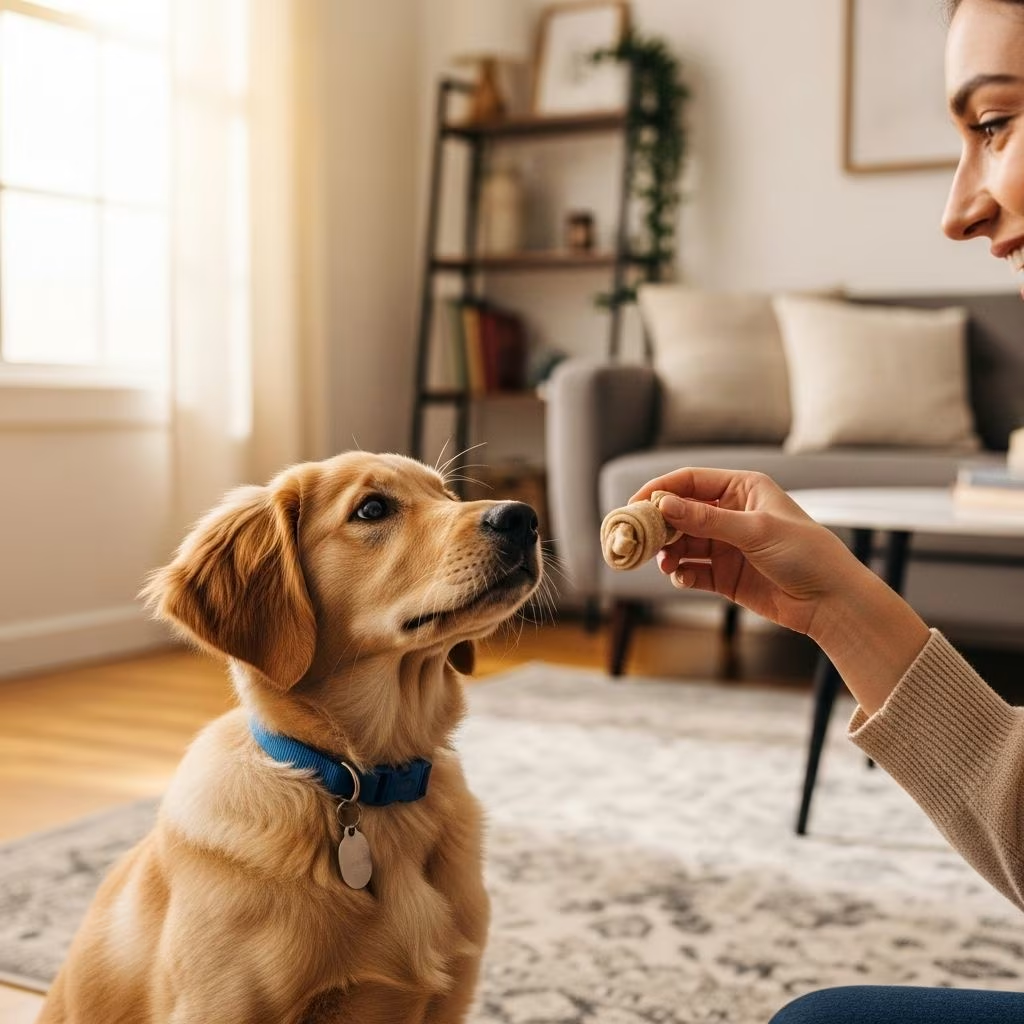
Bringing a dog into your family marks the start of an exciting journey filled with joy, companionship, and responsibility. Whether adopting a playful puppy or a gentle adult dog, proper preparation ensures a smooth adjustment for everyone involved. This guide outlines key steps to create a safe, nurturing environment, covering everything from initial setup to long-term care.
Assessing Readiness Before Adoption
Before welcoming a dog, evaluate your lifestyle to confirm it aligns with pet ownership demands. Consider your living space, daily schedule, and family dynamics. Dogs thrive on routine and interaction, so ensure you can commit to daily walks, feeding, and playtime. Research breeds or mixes that match your activity level—energetic breeds like Border Collies need more exercise than laid-back ones like Bulldogs.
Financial planning is crucial. Budget for initial costs like supplies and vet visits, plus ongoing expenses such as food and preventive care. Establishing a dedicated pet fund helps manage unexpected needs like emergencies.
Creating a Secure Living Space
Transform your home into a dog-friendly zone by identifying and eliminating hazards. Secure loose wires to prevent chewing, which can lead to electrical shocks. Store small objects like coins or toys out of reach to avoid choking risks. Use baby gates to restrict access to unsafe areas like kitchens during mealtimes.
- Remove or relocate toxic plants such as lilies, azaleas, or poinsettias from indoor and outdoor spaces.
- Lock away cleaning products, medications, and chemicals in high cabinets.
- Secure trash bins with tight lids to deter rummaging.
- Keep toilet lids down to prevent accidental falls or drinking contaminated water.
For outdoor areas, install fencing if absent, or use a leash for supervision. Invisible fences offer an alternative but require professional training to avoid stress.
Essential Supplies for Daily Life
Stock up on basics to meet your dog’s immediate needs. Prioritize quality items that promote health and comfort.
| Category | Recommended Items | Purpose |
|---|---|---|
| Bedding | Crate, orthopedic bed, blankets | Provides a secure sleeping area; crates aid house training |
| Feeding | Stainless steel bowls, slow feeder | Prevents spills; slows eating to reduce bloat risk |
| Identification | Collar, ID tags, leash, harness | Ensures quick return if lost; harnesses suit pullers |
| Play & Enrichment | Chew toys, puzzle feeders, balls | Stimulates mentally and physically |
| Cleaning | Puppy pads, waste bags, enzymatic cleaner | Manages accidents during training |
Include grooming tools like brushes, nail clippers, and pet-safe toothpaste for maintenance. Flea and tick preventives are non-negotiable, applied monthly per vet advice.
Nutrition and Feeding Fundamentals
Select food tailored to your dog’s age, size, and activity. Puppies require nutrient-dense formulas for growth, while seniors benefit from joint-supporting ingredients. Transition gradually over 7-10 days to prevent digestive upset: mix 25% new food with 75% old on day one, increasing incrementally.
- Opt for AAFCO-approved foods meeting complete nutritional standards.
- Feed measured portions twice daily to maintain ideal weight.
- Provide fresh water always; consider elevated bowls for large breeds.
Monitor for allergies or sensitivities, consulting a vet for custom diets if needed.
Establishing a Consistent Routine
Dogs flourish with predictability. Set a schedule for meals, potty breaks, walks, and bedtime within your first week. For example:
- Morning: Potty, breakfast, short walk.
- Midday: Play or alone time in crate.
- Evening: Dinner, training session, long walk, bedtime.
This builds security and eases house training. Puppies need breaks every 2-3 hours; adults every 4-6. Incorporate alone time gradually to foster independence.
Mastering Basic Training Techniques
Begin training day one using positive reinforcement—treats, praise, and play for desired behaviors. Focus on core commands in low-distraction settings.
- Sit: Hold treat above nose, move back as they sit, reward.
- Stay: Command sit, step back, return before releasing.
- Come: Use happy tone, reward approach; practice on long leash.
- Leave It/Drop It: Trade item for higher-value treat.
- Heel: Walk with treats at side, reward position.
Consistency across household members prevents confusion. Short 5-10 minute sessions multiple times daily yield best results.
Socialization Strategies for Confidence
Expose your dog gradually to new stimuli between 3-14 weeks for puppies, or ongoing for adults. Start with calm introductions.
- Invite trusted friends over; supervise child interactions closely.
- Visit quiet parks or pet stores during off-hours.
- Arrange playdates with vaccinated dogs.
Watch body language—yawning or lip-licking signals stress. End sessions positively to build positive associations.
Veterinary Care and Health Monitoring
Schedule a checkup within 72 hours of arrival for vaccines, deworming, and baseline exam. Microchip for identification. Core vaccines include rabies, distemper, and parvovirus. Discuss spay/neuter timing.
Track normal behaviors: appetite, stool quality, energy. Early signs of issues include lethargy or vomiting—seek vet promptly. Annual wellness exams and heartworm tests are standard.
Grooming and Hygiene Practices
Regular upkeep prevents health issues. Brush weekly to reduce shedding and distribute oils. Bathe monthly with dog-specific shampoo. Trim nails biweekly; introduce gradually if fearful.
Dental care: Brush 3x weekly, offer chews. Ear cleaning monthly checks for infections.
Building a Strong Bond Through Play
Daily interaction strengthens trust. Alternate fetch, tug, and training games. Puzzle toys provide mental workouts, reducing boredom-induced behaviors like chewing.
Exercise needs vary: 30-60 minutes daily for most, split into sessions. Adjust for age and breed.
Frequently Asked Questions (FAQs)
How long does adjustment take?
Typically 2-4 weeks; be patient with whining or hiding.
What if my dog won’t eat?
Ensure fresh food; add toppers if vet approves. Persistent refusal warrants a checkup.
Is crating cruel?
No, when used properly as a safe den, not punishment.
When to start walks?
After vet clearance, usually post-vaccines for puppies.
How to handle separation anxiety?
Practice short absences, use calming toys, desensitize gradually.
References
- The Ultimate Checklist for First-Time Dog Owners — The Honest Kitchen. 2023-05-15. https://www.thehonestkitchen.com/blogs/pet-tips-training/first-time-dog-owner-checklist
- New Puppy Checklist — People’s Dispensary for Sick Animals (PDSA). 2024-02-10. https://www.pdsa.org.uk/pet-help-and-advice/looking-after-your-pet/puppies-dogs/new-puppy-checklist
- How To Take Care of Dogs: A Pet Parent Checklist — PetMD. 2025-01-20. https://www.petmd.com/dog/general-health/how-to-take-care-of-dogs-pet-parent-checklist
- First Time Dog Owner? Your Complete Starter Checklist — Hounds Lounge. 2023-11-08. https://www.houndslounge.com/blog/first-time-dog-owner-checklist/
- New Puppy Checklist — PDSA (UK Charity, official pet health org). 2024-02-10. https://www.pdsa.org.uk/pet-help-and-advice/looking-after-your-pet/puppies-dogs/new-puppy-checklist



