

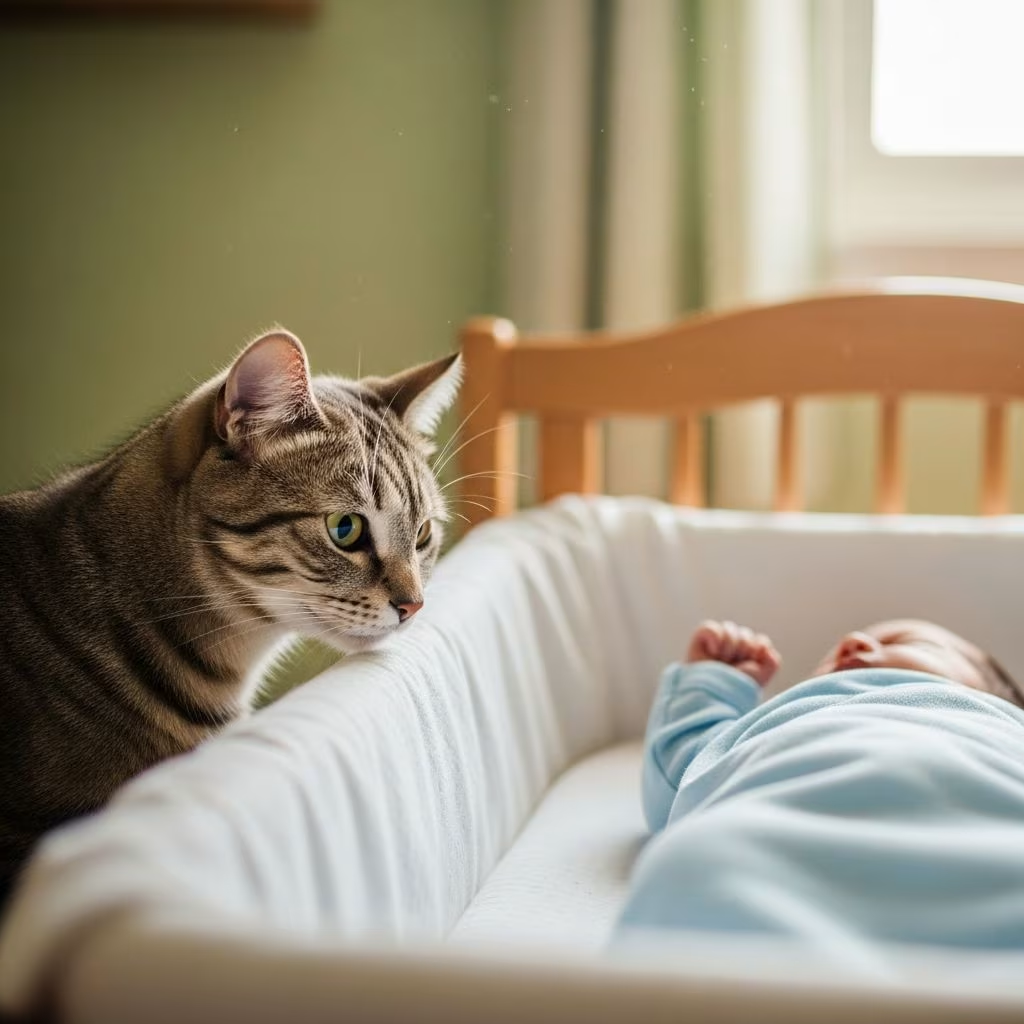
Bringing a new baby home introduces profound changes to household dynamics, particularly for resident cats accustomed to being the center of attention. Cats, with their sensitive natures and strong territorial instincts, often require careful preparation to adapt positively. This guide outlines comprehensive strategies drawn from veterinary and behavioral expertise to facilitate a smooth transition, prioritizing safety for both the infant and the pet while minimizing feline stress.
Understanding Feline Reactions to Household Changes
Cats perceive their environment through scent, sound, and routine stability. A newborn disrupts these elements with unfamiliar odors from lotions and diapers, unpredictable cries, and shifts in family schedules. Confident cats may quickly acclimate, resuming normal behaviors like eating and playing near the baby. However, sensitive or shy felines might exhibit avoidance, hiding, or subtle distress signals such as excessive grooming or reduced appetite.
Personality plays a key role: independent cats treating the home as a ‘hotel’ adapt faster than affectionate ones craving constant interaction. Negative reactions stem not from malice but from confusion over lost routines and territory alterations. Early exposure during kittenhood to children aids resilience, but mature cats without such history benefit from proactive conditioning.
Pre-Arrival Preparation: Setting the Foundation
Begin adaptations weeks before the due date to desensitize your cat gradually. Introduce baby-related stimuli methodically to build positive associations.
- Sound Conditioning: Play recordings of infant cries, coos, and fussing at low volumes, increasing gradually. Time sessions randomly, including mealtimes or naps, rewarding calm responses with treats.
- Scent Familiarization: Rub baby blankets, lotions, and diaper wipes on your hands before petting your cat, pairing with affection or play to link scents positively.
- Space Reconfiguration: Assemble nursery furniture like cribs and strollers early, allowing exploration. Designate cat-free zones gently by restricting access, accustoming them to closed doors.
Maintain core routines: feed at consistent times and preserve favorite perches or beds. Vertical spaces—shelves or cat trees—offer observation points, reducing ground-level confrontations.
Creating a Cat-Friendly Environment Amid Baby Gear
Baby equipment alters scent profiles, prompting marking behaviors like spraying on strollers. Counter this by rubbing cat bedding on new items first, overlaying familiar smells. ‘Catify’ the home with elevated pathways and hideouts inaccessible to infants, empowering cats with control.
| Potential Stressor | Cat Response | Mitigation Strategy |
|---|---|---|
| Baby cries | Hiding or agitation | Gradual audio exposure with rewards |
| New smells | Spraying or avoidance | Scent swapping via familiar items |
| Routine shifts | Appetite loss | Fixed feeding/play schedules |
| Territory loss | Litter issues | Extra boxes, high perches |
This table summarizes common triggers and solutions, emphasizing prevention over reaction.
The Homecoming Day: First Interactions
Upon returning, have a helper hold the baby while you greet your cat first, offering treats and attention to reaffirm bonds. Place the baby in a carrier on the floor for safe, distant sniffing—never force proximity by carrying the cat over.
Observe body language: relaxed ears and tail indicate acceptance; flattened ears or swishing tails signal retreat cues. Permit self-paced approaches; some cats observe from afar initially.
Daily Management for Ongoing Harmony
Post-arrival, prioritize supervision during all interactions. Never leave cat and baby unattended, even with tolerant pets, due to suffocation risks from cats seeking infant warmth or accidental scratches during grabs.
- Schedule dedicated cat time: daily play sessions and cuddles when baby naps.
- Positive Reinforcement: Treat calm baby proximity to forge good associations.
- Litter and Hygiene: Add boxes if needed; clean rigorously to prevent accidents from stress.
Exclude cats from sleeping areas initially, training door closures beforehand to avoid resentment.
Spotting and Addressing Stress Signals
Monitor for distress: prolonged hiding, outdoor escapes, overgrooming, vocalizing, handling intolerance, or inappropriate elimination indicate struggles. These affect fewer than 10-20% of cats with preparation, per behavioral observations.
Intervene early: enrich environment with puzzles, pheromone diffusers, or vet-prescribed calming aids. Consult professionals if issues persist beyond 2-4 weeks.
Safety Protocols: Protecting Both Parties
Infant safety supersedes all: secure nursery doors, trim claws regularly, and teach older toddlers gentle handling. Cats rarely aggress but react defensively to pulls or invasions.
Myths like deliberate suffocation lack evidence; real risks are accidental overlay or pathogen transmission from unclean litter. Weekly box scoops and handwashing mitigate this.
Long-Term Coexistence: Building Bonds
Many cats form watchful, gentle ties with babies over months, grooming or guarding instinctively. Patience yields tolerance or affection; some remain aloof, which is normal.
As babies mobilize, reinforce boundaries with gates and training. Multi-pet homes require monitoring for redirected tensions.
Frequently Asked Questions
Will my cat harm the baby?
Rarely intentional, but supervision prevents scratches or smothering risks. Always separate during sleep.
How long until adjustment?
Weeks to months; prepared cats settle in days.
What if my cat stops eating?
Check vet for stress; offer favorites in quiet spots.
Can cats sleep with babies?
No, due to suffocation hazards from warmth-seeking.
Previous baby experience helps?
Yes, familiar cats adapt quickest.
Advanced Tips for Challenging Cases
For multi-cat homes or history of aggression, consult certified behaviorists pre-arrival. Feliway diffusers mimic calming pheromones effectively. Track progress in a journal: note behaviors daily to spot patterns early.
Enrichment prevents boredom-fueled issues: rotate toys, provide window perches. Family involvement ensures consistent handling, modeling respect for cat space.
References
- How to introduce your cat to your baby — Blue Cross. 2023. https://www.bluecross.org.uk/advice/cat/behaviour-and-training/how-to-introduce-your-cat-to-your-baby
- An Unlikely Duo: Introducing your Cat to a New Baby — Just Cats Clinic. 2024. https://justcatsclinic.com/an-unlikely-duo-introducing-your-cat-to-your-baby/
- Do Cats Get Jealous of Babies? (A Veterinarian Explains) — Cats.com. 2025. https://cats.com/do-cats-get-jealous-of-babies
- Cats and Newborns: What You Actually Need to Worry About — Dog Meets Baby Expert. 2024. https://www.dogmeetsbaby.expert/post/cats-and-newborns-what-you-actually-need-to-worry-about-and-what-you-dont
- Cat Behavior – Introducing a New Baby to the Home — Hill’s Pet. 2023. https://www.hillspet.com/cat-care/training/introducing-cat-to-baby



