

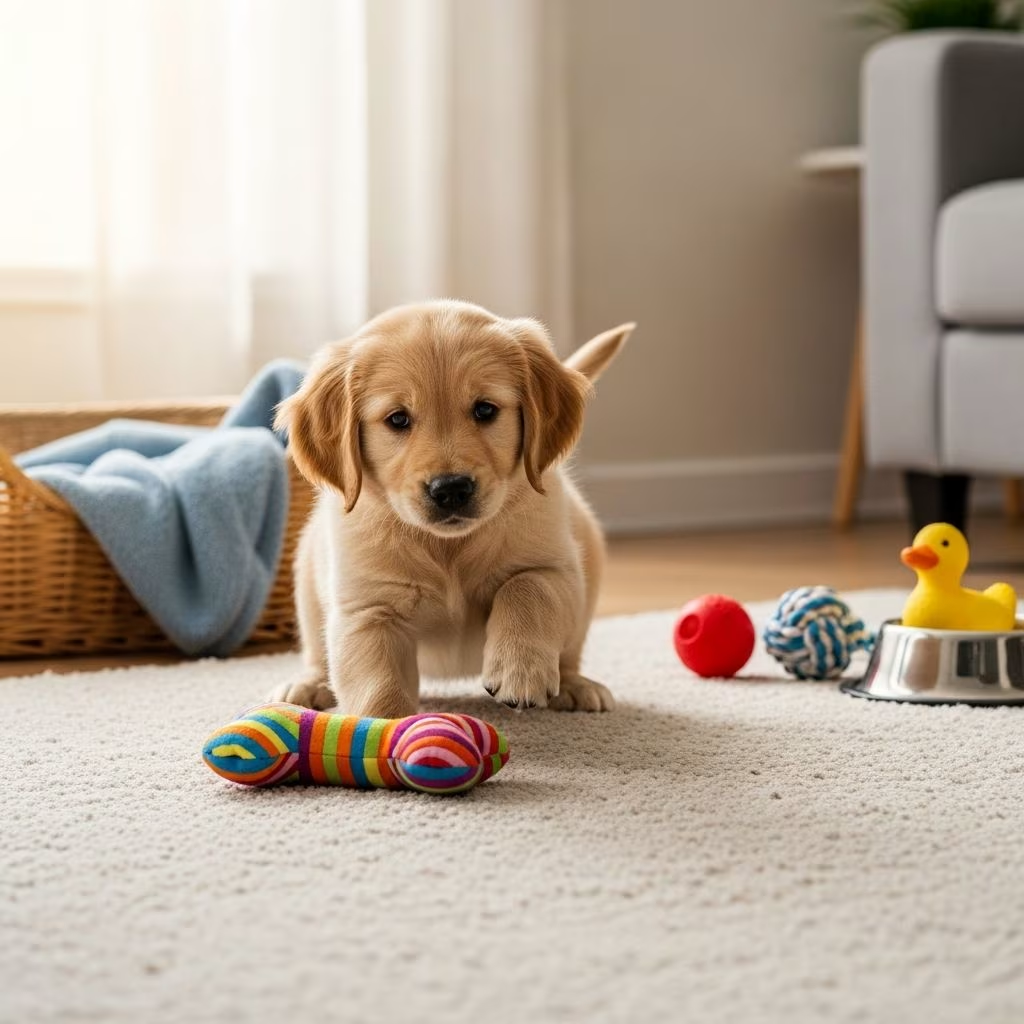
Bringing a new puppy into your household represents an exciting milestone that comes with significant responsibility. The first few weeks and months after your puppy arrives establish the foundation for their long-term development, behavior patterns, and relationship with your family. Understanding how to properly introduce your new companion to their home environment ensures a smoother transition and helps prevent behavioral problems down the road.
Preparing Your Home Before Arrival
Before your puppy crosses the threshold of your home, thorough preparation sets the stage for success. Creating a safe, welcoming environment reduces stress for both you and your new pet while minimizing potential hazards.
Establishing a Designated Space
Designate a specific area where your puppy will spend initial time. This zone should contain essentials like a comfortable bed, food and water bowls, and age-appropriate toys. A smaller, confined space helps puppies feel secure and simplifies house-training efforts by creating clear boundaries. Many families find that using an exercise pen or puppy playpen in a central living area allows the puppy to be part of family activities while maintaining safety and structure. This approach prevents your puppy from becoming isolated in a crate while still providing necessary containment during unsupervised periods.
Safety-Proofing Your Environment
Puppies are naturally curious and explore their surroundings by chewing, sniffing, and investigating everything within reach. Conduct a thorough walkthrough of your home and yard from a puppy’s perspective. Remove electrical cords, secure loose wires, and eliminate access to toxic substances including certain houseplants, medications, and cleaning supplies. Store small objects that pose choking hazards and ensure that fragile items are secured or relocated. Check for gaps in fencing and remove any objects in your yard that could cause injury.
Gathering Essential Supplies
Stock your home with necessary items before your puppy arrives: age-appropriate food, appropriately sized bowls, a comfortable bed or crate, collar, leash, identification tag, and a variety of toys. Having these items ready prevents last-minute scrambling and demonstrates your commitment to meeting your puppy’s immediate needs.
The First Meeting: Setting a Positive Tone
How you and your family greet your puppy during that initial meeting influences their early impressions and confidence levels. Managing excitement and creating calm interactions help your puppy feel welcome rather than overwhelmed.
Controlling Initial Enthusiasm
While it’s natural to feel excited about your new puppy, overwhelming them with excessive attention, loud noises, and physical handling can cause stress and anxiety. Instruct family members, especially children, to approach calmly and allow the puppy to investigate at their own pace. Resist the urge to immediately pick up and cuddle your new pet; instead, let them explore while you observe from a slight distance. This approach helps your puppy build confidence and feel secure in their new surroundings.
Introducing Family Members Gradually
Rather than having everyone greet the puppy simultaneously, introduce family members one at a time. Allow each person to sit or crouch down to the puppy’s level, offering a gentle hand to sniff before any petting. This measured approach prevents your puppy from becoming frightened or overstimulated. Explain to children that the puppy is not a toy but a living creature requiring gentle, respectful handling.
Establishing Routines and Structure
Puppies thrive with consistent routines that provide predictability and security. Clear patterns for feeding, bathroom breaks, play, and rest help your puppy understand expectations and accelerate the house-training process.
Creating a Feeding Schedule
Establish regular mealtimes appropriate for your puppy’s age. Young puppies typically require three to four meals daily, gradually transitioning to twice-daily feeding as they mature. Consistent feeding times correlate with consistent bathroom schedules, making it easier to anticipate when your puppy needs outdoor access. Use high-quality puppy food formulated for your breed’s specific needs and size.
Implementing Bathroom Break Protocols
Take your puppy outside immediately after waking up, after eating, after playtime, and before bedtime. Praise and reward successful outdoor elimination with treats and enthusiastic encouragement. This positive reinforcement helps your puppy understand the desired behavior and accelerates house-training progress. Expect accidents indoors; respond calmly without punishment, as this creates fear and confusion rather than understanding.
Balancing Play and Rest
Young puppies possess limited energy reserves and require substantial rest for proper development. Puppies under six months old need approximately 18 to 20 hours of sleep daily. Structure playtime in short, manageable bursts separated by quiet rest periods. This prevents overexertion, reduces stress-related behavioral problems, and supports healthy growth and development.
Socialization: Building Confidence Through Exposure
Proper socialization during puppyhood profoundly impacts your dog’s adult temperament, confidence, and ability to handle novel situations. The critical socialization window extends from approximately 3 to 14 weeks of age, making early exposure to diverse experiences essential.
Introducing Various Environments
Gradually expose your puppy to different locations, surfaces, and settings. Visit parks, pet-friendly stores, and neighborhood streets to acquaint your puppy with new sights, sounds, and smells. Start with less busy environments and gradually increase exposure to more stimulating settings. Encourage exploration while maintaining close supervision and using positive reinforcement through treats, praise, and play.
Meeting Different People
Arrange for your puppy to meet people of various ages, appearances, and backgrounds. Include individuals wearing hats, sunglasses, or using mobility devices like canes or walkers to familiarize your puppy with diverse human presentations. Allow people to offer treats from their hands and permit your puppy to approach at their own pace rather than forcing interactions. This builds positive associations with human contact and reduces stranger anxiety.
Controlled Dog-to-Dog Interactions
Supervised playdates with friendly, well-socialized dogs provide valuable social learning opportunities. Choose play partners carefully, ensuring they are vaccinated and exhibit calm, appropriate behavior. Watch for signs of fear or overstimulation and intervene if interactions become too rough. Puppy socialization classes offer structured environments where multiple puppies interact under professional guidance, learning appropriate social skills and manners.
Building Sensory Experiences
Puppies explore the world through their senses. Deliberately exposing them to varied tactile, auditory, and olfactory experiences builds confidence and reduces fear responses to common household stimuli.
Tactile Exploration
Introduce your puppy to different surface textures including grass, dirt, sand, carpet, tile, and wood. Create enrichment opportunities using varied textures in a dedicated play area. Gentle handling of your puppy’s paws, ears, and mouth helps them accept grooming and veterinary care later in life.
Sound Desensitization
Familiarize your puppy with household noises at low volumes initially, gradually increasing intensity as they become comfortable. Introduce sounds including vacuum cleaners, washing machines, hairdryers, doorbells, and traffic noise. Playing recordings of common sounds at low levels allows controlled exposure without overwhelming your puppy.
Olfactory Enrichment
Since puppies rely heavily on their sense of smell, incorporate scent-based enrichment activities. Allow your puppy to explore naturally occurring smells and introduce calm scents like lavender or chamomile. Hide treats or toys in safe locations to encourage scavenging behavior and mental stimulation.
Building Positive Associations With Essential Activities
Certain routine activities like veterinary visits, grooming, and car rides can cause anxiety if introduced poorly. Proactive positive conditioning makes these necessary experiences less stressful for your puppy.
Veterinary Care Introduction
Contact your veterinarian for a brief introductory visit focused on positive interactions rather than medical procedures. Allow your puppy to receive treats from veterinary staff, explore the clinic, and become familiar with the environment and sounds. Schedule short visits periodically even when no medical care is needed, reinforcing that the veterinary clinic is a safe, rewarding place.
Grooming Preparation
Handle your puppy’s paws, ears, and face regularly as part of routine care and play. Introduce them to the sensation of bathing with warm water and gentle handling. If professional grooming will be part of your puppy’s future, start early with positive associations by having groomers simply handle your puppy without performing actual grooming initially.
Car Travel Conditioning
Begin with short car rides to positive destinations like parks or friends’ houses. Use treats, praise, and reassurance to create pleasant associations with vehicle travel. Gradually extend trip duration as your puppy becomes more comfortable.
Managing Common Challenges During the Transition
Most puppies experience some adjustment difficulties during their first weeks in a new home. Understanding how to address these challenges compassionately supports successful integration.
Separation Anxiety and Clinginess
Puppies recently separated from littermates often experience anxiety when alone. Rather than forcing immediate independence, gradually increase alone time while your puppy is calm. Start with just a few minutes of separation and slowly extend duration. Avoid making departures and arrivals overly emotional, as this intensifies separation anxiety. Provide interactive toys or puzzle feeders to occupy your puppy during alone time.
Chewing and Destructive Behavior
Puppies chew as a natural developmental behavior and stress response. Provide appropriate outlets including designated chew toys, puzzle toys, and activity mats. Rotate toys regularly to maintain interest. When you catch your puppy chewing inappropriate items, calmly redirect them to acceptable toys and reward them for chewing the correct items.
Jumping and Excessive Excitement
Discourage jumping by withdrawing attention when your puppy jumps on people. Teach visitors to ignore jumping behavior and only provide interaction and treats when your puppy has all four feet on the ground. Consistent application of this approach quickly teaches puppies that jumping does not result in desired attention.
Nutrition and Health Considerations
Proper nutrition supports healthy development during your puppy’s critical growth phase. Consult your veterinarian about age-appropriate food, portion sizes, and any breed-specific nutritional requirements. Ensure your puppy receives appropriate vaccinations and parasite prevention according to your veterinarian’s recommended schedule. Establish a relationship with a trusted veterinarian who can provide guidance throughout your puppy’s first year.
Timing and Patience in the Adjustment Process
While some puppies adjust within days, others require weeks or months to feel fully comfortable in their new home. Every puppy is an individual with unique temperament and background experiences. Patience, consistency, and positive reinforcement create the foundation for confident, well-adjusted adult dogs. Celebrating small milestones and maintaining realistic expectations help you and your family navigate this rewarding transition period successfully.
Frequently Asked Questions
- What age should puppies begin socialization?
- Socialization should begin as early as possible, ideally within the first 12 to 14 weeks of life when puppies are most receptive to learning and forming associations. Early exposure to diverse experiences establishes positive patterns and prevents fear-based behaviors.
- How long does it take a puppy to adjust to a new home?
- Adjustment timelines vary considerably, with some puppies settling within days and others requiring several weeks. Factors including age, previous experiences, temperament, and consistency of your approach influence adjustment speed. Most puppies show significant improvement within the first two to three weeks.
- Can I take my puppy outside before completing vaccinations?
- Consult your veterinarian about appropriate outdoor exposure timing relative to your puppy’s vaccination schedule. Many veterinarians recommend limited, controlled outdoor exposure in areas with low disease risk while vaccination protocols are underway.
- What should I do if my puppy seems fearful or withdrawn?
- Avoid forcing interaction or overwhelming your fearful puppy. Instead, create a quiet, safe space and allow your puppy to approach new experiences at their own pace. Reward brave behavior with treats and praise. If fearfulness persists or intensifies, consult your veterinarian or a certified animal behaviorist.
- How do I choose a reputable puppy socialization class?
- Look for classes instructed by certified trainers with experience in positive reinforcement methods. Ask about vaccination requirements, class size, instructor-to-puppy ratio, and the specific skills puppies will learn. Visit a class before enrolling to observe instructor methods and class dynamics.
References
- Puppy Socialization: Essential Tips for Raising Happy, Confident Dogs — Birmingham Animal Hospital. https://www.birminghamanimalhospital.com/services/blog/puppy-socialization-essential-tips-raising-happy-confident-dogs
- Practical Tips to Boost Your Shelter’s Puppy Socialization Game — Animal Farm Foundation. https://www.animalfarmfoundation.org/puppy-socialization-tips/
- How to Socialize a New Puppy (or Rescue Dog) the Right Way — Gardens Animal Hospital. https://www.gardensanimalhospital.com/how-to-socialize-a-new-puppy-or-rescue-dog-the-right-way/
- How To Socialize a Puppy and Why It’s So Important — PetMD. https://www.petmd.com/dog/behavior/how-to-socialize-puppy
- Puppy Behavior and Training – Socialization and Fear Prevention — VCA Animal Hospitals. https://vcahospitals.com/know-your-pet/puppy-behavior-and-training—socialization-and-fear-prevention
- How to Socialize Your New Puppy — Leerburg. https://leerburg.com/socializepuppies.htm



