

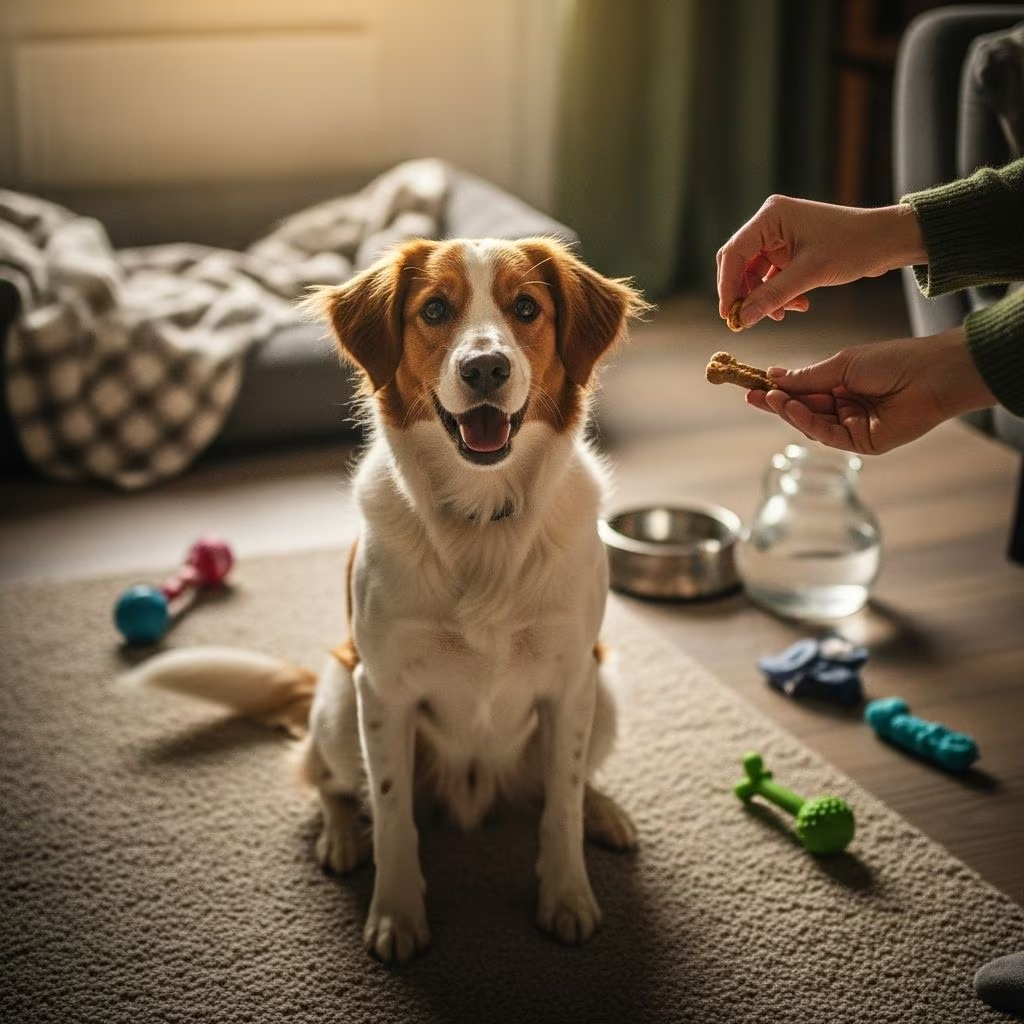
Bringing a new dog into your home is an exciting milestone, but it requires careful planning and thoughtful execution. Whether you’re a first-time dog owner or adding another companion to an existing canine family, the initial days and weeks set the foundation for long-term success. Understanding how to navigate this transition helps prevent behavioral problems, reduces stress for all animals involved, and establishes the positive relationships that lead to a harmonious household.
Understanding the Challenges of Canine Integration
Dogs are inherently territorial creatures, and the arrival of a new pack member disrupts the established social order and sense of belonging that your resident dog has enjoyed. This territorial instinct isn’t something to dismiss lightly—it’s a fundamental aspect of canine psychology that can surface as anxiety, defensiveness, or aggression if not properly managed. Your existing dog may perceive the newcomer as an interloper threatening their status, resources, and personal space.
The good news is that with thoughtful preparation and a gradual approach, most dogs can coexist peacefully and even form meaningful bonds. The key lies in respecting each animal’s need for time, space, and carefully orchestrated introductions that build confidence rather than trigger conflict.
Pre-Arrival Preparation: Setting the Stage
Before your new dog crosses the threshold, several preparatory steps can significantly improve the integration process. Start by removing potential triggers for conflict from your home environment.
- Secure valuable items: Gather toys, chew items, food bowls, and beds that might spark possessiveness or territorial disputes. These items can be reintroduced gradually over several weeks once relationships develop.
- Establish separate spaces: Set up distinct areas for each dog using baby gates, playpens, or closed doors. This allows visual contact without forcing interaction and gives each animal a refuge where they feel safe.
- Familiarize your resident dog: Before the new dog arrives, rub a cloth on the newcomer and place it in your home. Allow your current dog to investigate this scent at their own pace, which begins the introduction process before direct contact occurs.
- Reinforce structure: If your resident dog has become accustomed to a less structured routine, consider reestablishing crate training or consistent daily schedules. This structure helps existing dogs feel more secure during transitions and makes managing two dogs considerably easier.
The Critical First Meeting: Neutral Ground Strategy
The location of your dogs’ first encounter plays a surprisingly important role in determining whether the introduction goes smoothly. Rather than meeting in your home, where your resident dog feels proprietary, choose a neutral location—somewhere neither animal considers their territory.
Suitable neutral locations include nearby parks, parking lots, quiet streets, or any area removed from your residence. This environmental choice prevents your existing dog from feeling defensive and allows both animals to approach the situation with less anxiety and territorial tension.
Execution of the first meeting:
- Assign two separate handlers, one for each dog, to maintain control and distribute attention fairly.
- Keep leashes loose and relaxed, as dogs can sense tension transmitted through the lead. Your calm demeanor directly influences how your dogs interpret the situation.
- Begin with simple parallel movement—walking the dogs near each other without forcing interaction. This allows them to become accustomed to each other’s presence in a low-pressure context.
- Permit brief sniffing exchanges if both dogs show interest, but immediately redirect them and create separation. Multiple short interactions are far more effective than prolonged exposure.
- Watch for warning signals including raised hackles, bared teeth, aggressive barking, or stiff body posture. If tension emerges, calmly separate the dogs and try again after a brief cooling-off period.
- Reward positive behaviors such as gentle sniffing, relaxed body language, or mutual disinterest with praise and high-value treats.
From Meeting to Home: The Transition Process
A successful first meeting doesn’t guarantee smooth cohabitation. Once both dogs demonstrate positive interactions in neutral territory, the real work of integration begins. Bringing a new dog into your established home requires strategic management and realistic expectations.
Initial home arrival:
- Confine your new dog to a specific area while allowing your resident dog to explore freely. This reverses the power dynamic and prevents the newcomer from appearing to invade the established dog’s space.
- Walk the new dog through your home on leash, allowing them to investigate where they’ll eat, sleep, and spend time. This familiarization reduces anxiety and helps them understand the household layout.
- Maintain separate feeding stations at considerable distance from each other. Resource guarding and possessiveness around food represent the most common sources of conflict in multi-dog homes.
- Provide multiple water bowls in different locations to reduce competition and ensure both dogs stay hydrated.
- Never leave dogs unattended during the first weeks of integration, as situations can escalate rapidly without human supervision.
Environmental Management: The Foundation of Success
Successful integration relies heavily on strategic environmental management—creating a physical setup that prevents conflict rather than requiring constant correction. This proactive approach is far more effective than addressing problems after they occur.
Key management tools and techniques:
- Crate, gate, tether, and rotate: This mantra describes a comprehensive management strategy where dogs spend time in separate areas while gaining exposure to each other. For example, confine the new dog in a penned space while your resident dog enjoys the main living area, then reverse the arrangement later.
- Baby gates: Install gates to separate rooms and allow visual contact without direct access. This permits gradual acclimation without forced proximity.
- Tethering: Use secure tethers to manage dogs during supervised interactions, providing immediate control if tension develops.
- Playpens and exercise pens: These portable barriers create temporary boundaries that can be adjusted based on each dog’s tolerance level and comfort.
- Basket muzzles: In households where significant behavioral concerns exist, basket muzzles can be used during initial introductions to prevent serious injury while allowing communication.
The duration of management varies considerably. Some households require only days of separation and staged interactions, while others benefit from weeks or even months of structured management. There’s no universal timeline—each dog’s unique personality and history dictates the appropriate pace.
Building Positive Associations Through Parallel Activities
Beyond controlled introductions, engaging dogs in positive shared activities accelerates bonding and reduces anxiety. One of the most effective techniques involves parallel walks—an activity most dogs understand and can perform together without significant risk.
Walking side by side provides several benefits simultaneously: physical exercise reduces anxiety and pent-up energy, the shared activity creates positive associations, and the structured environment of a leash walk provides security for both animals. Walking also prevents one dog from feeling their social status is threatened, as neither dog assumes a subordinate position during movement.
As comfort increases, you can expand shared activities to include:
- Supervised play sessions in secure fenced areas
- Group training sessions where both dogs learn commands
- Calm indoor activities like chewing near each other
- Treats and praise during cooperative behavior
Recognizing and Managing Pack Dynamics
Within any multi-dog household, a social hierarchy naturally develops. Understanding and respecting this dynamic prevents misinterpretation of normal dog behavior and reduces unnecessary intervention.
Common pack behaviors to recognize:
- Tail wagging variations: A loose, relaxed wag indicates friendliness, while a stiff, elevated wag signals alertness and possible warning.
- Play bows: A dog bowing forward with their rear in the air indicates an invitation to play and positive social intent.
- Resource guarding: Stiffening around food, toys, or spaces indicates potential conflict and requires management through separation.
- Sniffing rituals: Dogs investigating each other’s face, rear, and body are engaging in normal canine communication and shouldn’t be interrupted unless warning signs emerge.
During the first week, maintain close supervision to observe and understand how your specific dogs interact. In most cases, your resident dog will establish themselves as the higher-ranking pack member through subtle signals, not aggression. This hierarchical arrangement is natural and actually reduces conflict, as it establishes clear boundaries that both dogs understand.
Training and Positive Reinforcement Strategies
Training plays a crucial role in creating harmony between dogs in your household. Teaching specific commands provides structure, gives dogs appropriate outlets for attention-seeking behavior, and allows you to redirect interactions before conflicts escalate.
Essential commands for multi-dog households:
- “Leave it”: Prevents resource guarding and allows you to redirect focus from contested items.
- “Place” or “Go to bed”: Directs dogs to specific locations, creating separation and structure during high-tension moments.
- “Sit” and “stay”: Establishes calm behavior and provides immediate engagement alternatives during excitement.
Using high-value training treats—items like beef lung bites or freeze-dried meat—significantly accelerates learning and positive behavior modification. Keep treats readily accessible in a pouch so you can reward appropriate interactions immediately, creating strong associations between the presence of the other dog and positive outcomes.
Timeline Expectations and Patience
Understanding realistic timelines helps manage expectations and prevents discouragement during the integration process. The time required for complete integration varies dramatically based on individual dogs’ temperaments, ages, previous experiences, and behavioral histories.
Some households achieve comfortable coexistence within days or weeks, while others require months or even up to two years for full integration. Factors influencing this timeline include the resident dog’s age and socialization history, the new dog’s background and any behavioral issues, the gender compatibility (dogs of opposite sexes sometimes integrate more smoothly), and the amount of time owners can dedicate to management and training.
Rather than fixating on reaching some theoretical end point, focus on incremental progress: smoother meals without tension, relaxed interactions during shared spaces, willingness to be in the same room without stress, and eventually, friendly play or companionable resting nearby.
Common Mistakes and How to Avoid Them
Understanding typical pitfalls helps prevent problems before they develop into entrenched behavioral issues.
The most common error is progressing too quickly. Forcing dogs into shared spaces or interactions they’re not ready for creates fear-based or aggressive reactions that become deeply ingrained. These behavioral problems aren’t necessarily reflective of either dog’s true temperament but rather a result of inappropriate management.
Other frequent mistakes include:
- Failing to remove high-value items before the new dog arrives, triggering possessive responses
- Leaving dogs unsupervised during early integration, missing warning signs before conflicts escalate
- Applying excessive tension through tight leashes, communicating anxiety to the dogs
- Forcing interaction instead of allowing the dogs to set their own pace
- Ignoring warning signs like stiff body language or growling, hoping they’ll resolve naturally
- Treating all dogs identically rather than respecting each dog’s individual comfort level
Creating Your Integration Plan
Success requires thoughtful planning tailored to your specific household situation. Before bringing a new dog home, write down:
- Your resident dog’s temperament, triggers, and any behavioral concerns
- The new dog’s known history, background, and any behavioral challenges
- Available management tools in your home (gates, playpens, separate rooms)
- Your schedule for supervision and training time
- A realistic timeline for integration based on individual dog characteristics
- Specific positive behaviors you’ll reward and how you’ll reward them
- Warning signs that would indicate you need professional help
This written plan keeps you focused during the inevitable moments of doubt and provides a reference if unexpected challenges emerge. Consider consulting with a professional dog trainer or behaviorist before integration begins, particularly if your resident dog has any history of aggression or your new dog has unknown behavioral baggage.
When to Seek Professional Help
While many introductions proceed smoothly with thoughtful management, some situations benefit from professional guidance. Contact a qualified trainer or behaviorist if you observe sustained aggression, severe anxiety in either dog, inability to progress beyond initial phases, or if you feel overwhelmed by the integration process. Professional intervention early prevents the development of entrenched behavioral problems that become increasingly difficult to resolve.
Bringing a new dog into your family represents a significant change for all household members, but with proper preparation, realistic expectations, and consistent management, most dogs adapt remarkably well. By respecting their territorial instincts, allowing adequate time for adjustment, and creating an environment that prevents conflict while encouraging positive associations, you establish the foundation for a peaceful, enriching multi-dog household.
References
- Tips for Managing a Multi-Dog Household — Bark Busters. 2024. https://www.barkbusters.com/news/managing-a-multidog-household
- Introducing New Dogs to Your Pack: Tips to a Smooth Transition — K9 Connoisseur. 2024. https://k9connoisseur.com/blogs/news/introducing-dogs-to-each-other
- Introducing New Dogs Into Multi Dog Households — Aggressive Dog. 2022-07-26. https://aggressivedog.com/2022/07/26/introducing-new-dogs-into-multidog-households/
- Integrating New Dogs into the Family — World Class Kennels. 2024. https://www.worldclasskennels.com/blog/integrating-new-dogs
- Integrating a New Puppy into the Family — Way of Life Dog Training. 2024. https://wayoflifedogtraining.com/integrating-a-new-puppy-in-the-family/
- 6 Tips for Pet Owners Who Are Ready to Add an Additional Dog to the Family — Hugo Coffee. 2024. https://hugo.coffee/6-tips-for-pet-owners-who-are-ready-to-add-an-additional-dog-to-the-family/



