

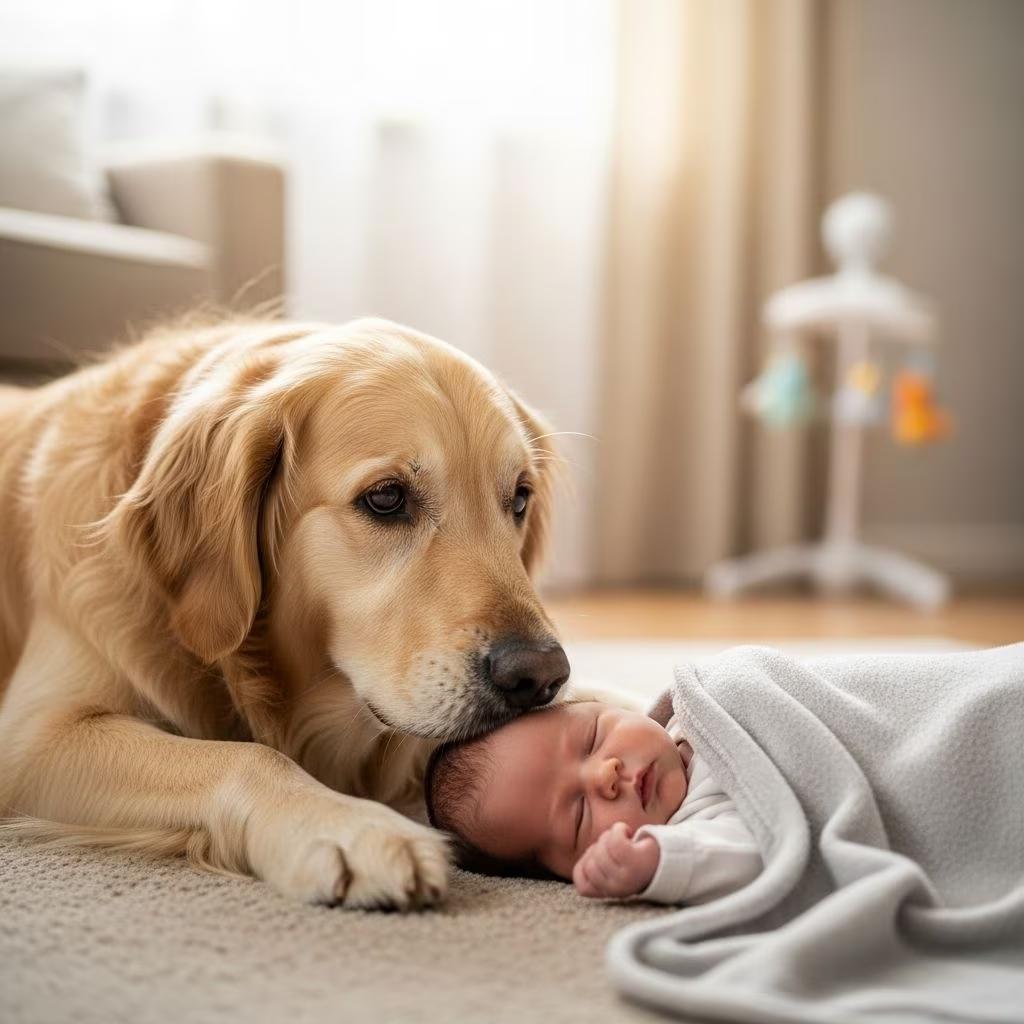
The arrival of a newborn transforms family life, and dogs often experience this shift intensely. With thoughtful preparation, pet parents can guide their canine companions through changes, minimizing stress and promoting safe coexistence.
Understanding Canine Reactions to Family Expansion
Dogs thrive on predictability, so sudden disruptions like crying infants or altered schedules can trigger varied responses. Temporary adjustments are common as pets adapt to the new household member. For instance, curiosity drives many dogs to investigate baby items, while others retreat to process the novelty.
Common reactions include heightened interest in the infant’s space or seeking extra comfort from owners. These stem from disrupted routines rather than malice. Surveys indicate about 40% of dogs show increased protectiveness, 38% become more clingy, and 36% display jealousy-like behaviors post-baby arrival. Such patterns reflect insecurity from reduced walks, playtime, or attention, not deliberate resentment.
Recognizing Everyday versus Concerning Behaviors
Distinguishing normal adaptation from potential issues is crucial for safety. Most dogs exhibit mild, short-term changes that resolve as routines stabilize.
- Curiosity: Sniffing cribs, tracking parental movements with the baby, or trailing from room to room signals interest, not threat. Supervise closely to prevent accidental knocks.
- Neediness: Extra closeness or attention-seeking arises from feeling sidelined. Respond with reassurance via puzzle toys during busy moments.
- Avoidance: Withdrawing from cries or new areas shows a need for space, which is healthy and requires no forcing.
- Mild Excitement: Whining, pacing, or barking spikes temporarily due to unfamiliar noises like cries.
Monitor for escalation. Red flags demand immediate action:
| Normal Behavior | Red Flag |
|---|---|
| Occasional whining at cries | Persistent growling near baby |
| Seeking pets calmly | Snapping or stiffening |
| Retreating voluntarily | Blocking access to infant |
| Temporary appetite dip | Excessive destruction |
Stress indicators like restlessness, appetite loss, or self-licking warrant intervention. Aggression, though rare, signals professional consultation.
Pre-Baby Planning: Building a Stable Foundation
Start adjustments months ahead to desensitize your dog gradually. Mimic post-baby life by tweaking walks, meals, and alone time incrementally.
- Routine Tweaks: Shorten play sessions, introduce variable feeding times to mirror sleep-deprived days.
- Gear Introduction: Set up strollers, swings, and carriers early; reward calm proximity.
- Sensory Prep: Play baby cries via apps, rub lotions on toys for scent familiarity.
- Space Management: Install gates, designate dog zones with beds and chews for retreat.
Teach “settle” commands: Reward mat stays during simulated baby activities. Alone training prevents separation issues when focus shifts. Crate if trained, ensuring positive associations.
Post-Arrival Management: Safe Integration Strategies
Upon homecoming, prioritize controlled interactions. Never leave dog and baby unsupervised.
- Attention Balance: Offer pets for calm behavior away from baby, avoiding rewards for intrusive approaches.
- Exercise Maintenance: Enlist helpers for walks; tire dogs pre-baby wake times.
- Calming Aids: Use white noise, pheromone diffusers, or puzzle feeders during feeds.
- Hygiene Rules: Trim nails, bathe regularly; restrict face licks.
House training may regress; praise outdoor relief promptly. Limit freedom with gates until reliability returns.
Advanced Training for Long-Term Harmony
Reinforce boundaries with positive methods. Use leashes indoors initially for baby proximity.
Key Commands:
- Leave it: For baby toys or hands.
- Place: Direct to bed during family time.
- Wait: At doors, preventing rushes.
High-energy breeds need outlets like flirt poles to curb jumping risks around infants. Consistency across family members prevents confusion.
Handling Specific Challenges
High-Energy Dogs
Energetic pups risk unintentional harm via leaps or licks. Channel vigor into structured games, increasing mental stimulation with scent work.
Protective Instincts
Beneficial guarding can turn possessive. Redirect with commands, rewarding disengagement from baby.
Sudden Behavior Shifts
Hormonal scents or cries trigger anxiety. Gradual exposure paired with treats builds tolerance.
Seeking Expert Support
If aggression emerges or stress persists beyond weeks, consult certified trainers. Early intervention safeguards all. Resources like Dogs Trust emphasize preparation to avert issues.
Frequently Asked Questions
Is my dog jealous of the baby?
Not truly; behaviors reflect routine disruptions and change stress, improving with preparation.
How long does adjustment take?
Weeks to months; consistency accelerates it.
Can I still give my dog attention with baby around?
Yes, reward calm positions away from infant to model ideal behavior.
What if my dog ignores the baby?
Avoidance is fine; force nothing, allow organic acclimation.
Should I rehome my dog?
Rarely needed; training resolves most cases.
References
- Normal Dog Behavior with a New Baby (and Red Flags) — Scallywags Dog Training. 2025-11-10. https://scallywagsdogtraining.com/2025/11/10/normal-dog-behavior-with-a-new-baby-and-red-flags/
- My Normally Well-Behaved Dog is Suddenly Acting Out After Bringing Home My Newborn — Dog Meets Baby. N/A. https://www.dogmeetsbaby.expert/post/my-normally-well-behaved-dog-is-suddenly-acting-out-after-bringing-home-my-newborn
- Can’t Stand Your Dog After Having a Baby? You’re Not Alone — ManyPets. N/A. https://manypets.com/us/blog/dogs-and-babies/
- How Can I Tell If My Dog Is Stressed Around My New Baby? — Petworks. N/A. https://www.petworks.com/articles/dog-is-stressed-around-my-new-baby/
- New Baby, Stressed Dog? Tips to Create a Calming Environment — Nutrience. N/A. https://nutrience.com/community/blog/create-a-peaceful-home-for-everyone-especially-your-loyal-pup-whos-adjusting-to-the-familys-newest-arrival/
- How to Prepare Your Dog for a New Baby — Dogs Trust. N/A. https://www.dogstrust.org.uk/dog-advice/life-with-your-dog/at-home/preparing-dog-for-new-baby



