

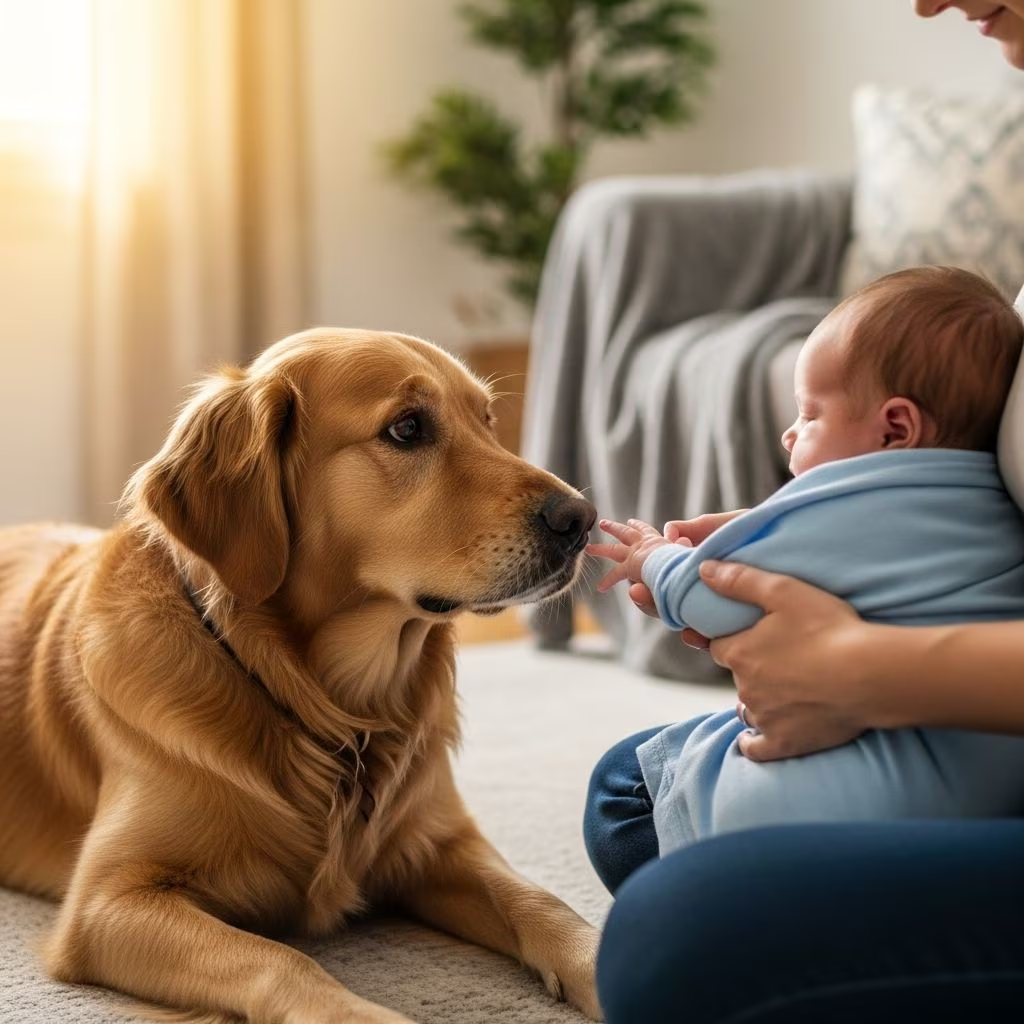
Bringing a newborn home while sharing space with a dog requires careful planning to ensure safety and harmony. Start preparations months in advance through training, exposure to baby elements, and establishing boundaries, allowing your pet to adjust positively to family changes.
Building Foundations Before Birth
Proactive steps during pregnancy set the stage for success. Enroll your dog in obedience classes if not already trained, focusing on commands like sit, stay, and leave it. Practice these amid simulated baby activities to normalize disruptions.
Gradually introduce baby items such as strollers, cribs, and lotions. Walk your dog near an empty stroller without attachment, rewarding calm behavior with treats. This builds familiarity and reduces surprise.
- Acquire baby gear early and expose dog daily.
- Use positive reinforcement: treats for calm responses.
- Avoid overwhelming; start with short sessions.
Desensitizing to Baby Sensory Experiences
Dogs rely on senses, so acclimate them to baby-related stimuli. Play recordings of infant cries, coos, and gurgles at low volume, increasing gradually while offering rewards. Pair sounds with meals or play to link them to positivity.
Bring home a hospital blanket pre-delivery for scent familiarization. If the dog investigates neutrally or positively, praise; normal mouthing isn’t concerning unless aggressive.
| Stimulus | Exposure Method | Reward Strategy |
|---|---|---|
| Crying sounds | Start low volume, 5-10 min daily | Treats, praise during playback |
| Baby lotion/scents | Apply to hands, let dog sniff | High-value toy or food |
| Stroller movement | Practice walks separately | Verbal affirmation, short games |
Establishing Safe Spaces and Routines
Create a dog-safe zone using crates or gates where they can retreat. Train crate use beforehand as a positive haven, not punishment. This prevents overwhelm during high-activity baby periods.
Maintain dog’s exercise and schedule to curb anxiety-driven behaviors. Incorporate them into baby routines like walks, speaking calmly to affirm inclusion.
The Homecoming Introduction Protocol
Upon returning home, one adult greets the dog alone first to diffuse excitement. With dog leashed loosely, another holds the baby calmly. Allow sniffing from distance, rewarding curiosity without fear.
Introduce when baby sleeps or is quiet; exercise dog prior. One person manages dog, another baby. If overexcitement shows, redirect with commands and retreat.
- Greet dog solo outside baby presence.
- Leash loosely; position 6 feet from baby.
- Praise calm sniffing; intervene if needed.
- End session positively; repeat later.
Ongoing Management for Lasting Harmony
Never leave dog and awake baby unsupervised. Position yourself between them, teach dog to follow when you move from baby. Avoid face-to-face proximity or placing baby on dog.
Use gates during feeds to prevent food begging. Tether or gate during ‘baby TV’ for adjustment. Dedicate one-on-one time daily.
- Supervise all interactions rigorously.
- Reinforce boundaries consistently.
- Monitor for stress signs: whining, avoidance.
Recognizing and Addressing Stress Signals
Watch for tension indicators like lip licking, yawning, stiff posture, or avoidance. Pause interactions, distract, and give space. If persistent, consult a trainer.
Post-introduction, maintain routines. Changes challenge dogs; flexibility and positivity aid adaptation.
Special Scenarios and Precautions
For C-sections, prioritize recovery: have help greet dog to avoid jumps. Multi-pet homes introduce sequentially. High-energy dogs need extra exercise.
| Scenario | Adjustment |
|---|---|
| C-section recovery | Helper greets dog; limit physical contact |
| Multiple dogs | One at a time, leashed |
| Food times | Gate or crate dog away |
FAQs: Common Dog-Baby Queries
Can I let my dog lick the baby?
Avoid direct face licks; bacteria risks exist. Wipe paws if contacting baby areas.
What if my dog shows jealousy?
Increase individual attention, maintain routines. Reward calm baby proximity.
How long for full adjustment?
Weeks to months; patience and consistency key.
Is professional help needed?
If aggression or severe anxiety, yes—seek certified trainer.
Should I change house rules?
Optional: restrict nursery, furniture for safety.
Long-Term Family Integration
Integrate dog into family life gradually. Stroller walks together build unity. Consistent training ensures safety as baby grows mobile.
Quality time prevents resentment. As baby develops, reteach boundaries like no pulling ears.
Success stems from preparation: desensitization fosters positive views, safety protocols protect all. Families thrive when pets feel secure.
References
- Tips for Introducing a Dog to Your New Baby — Care.com. 2023. https://www.care.com/c/how-to-introduce-dog-to-baby/
- Introducing Your Dog to Your Baby: 10 Tips — Blue Buffalo. 2024. https://www.bluebuffalo.com/articles/dog/introducing-dog-to-baby/
- How To Introduce Your Dog To Your Newborn — Hammond Pet Care. 2023. https://vethammond.com/blog/tips-on-how-to-introduce-a-new-baby-to-your-fur-babies/
- How to Introduce a Baby to a Dog — Best Friends Animal Society. 2024. https://bestfriends.org/pet-care-resources/how-introduce-baby-dog
- Dog Meets Baby Founder’s Tips for Introducing a Dog to a Newborn — Dog Meets Baby. 2023. https://www.dogmeetsbaby.expert/post/dog-meets-baby-founders-tips-for-introducing-a-dog-to-a-newborn
- How to Introduce a Dog and Baby: Tips From a Dog Trainer AND Mom — YouTube (Dog Trainer Video). 2023. https://www.youtube.com/watch?v=DEzK5VfWpPs



