
Welcoming Baby: Dog Prep Guide
Essential strategies to help your dog adjust smoothly to the new family member and ensure safety for everyone.
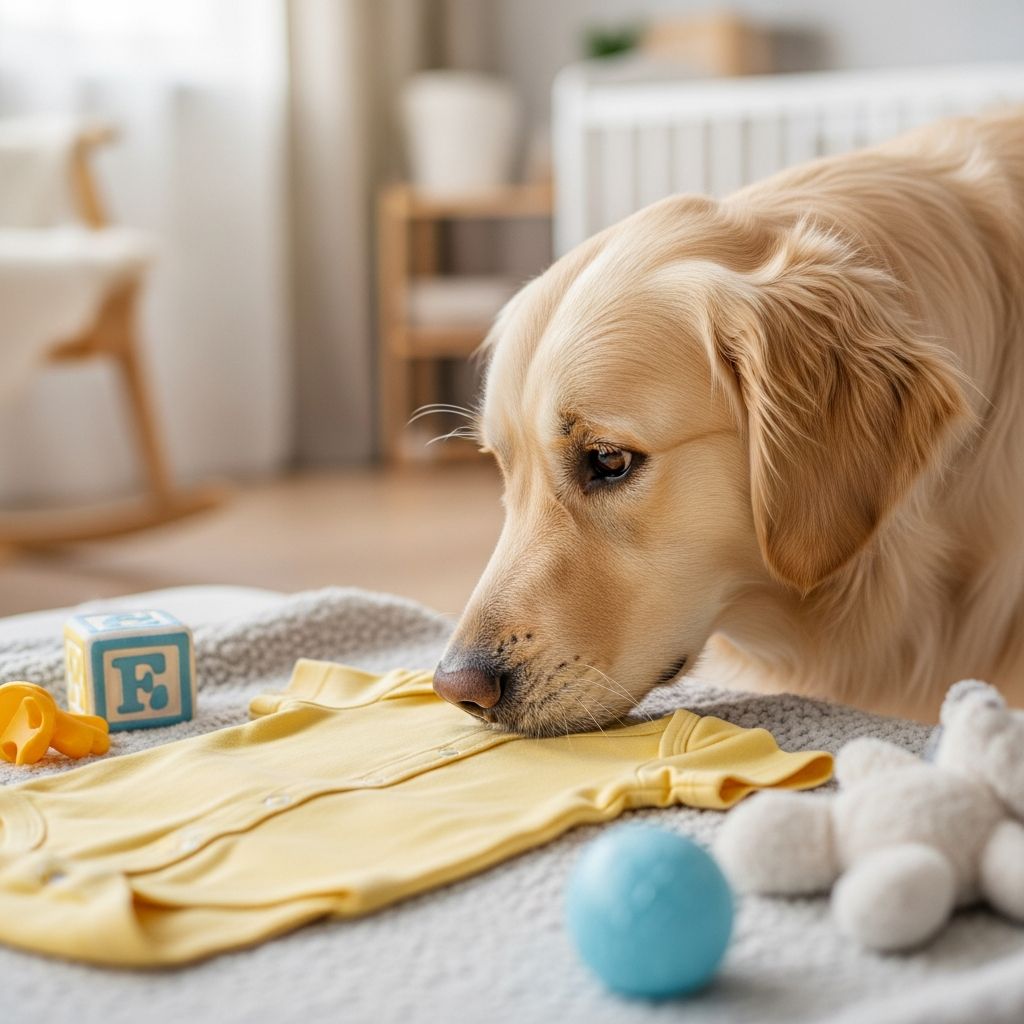
The excitement of a new baby brings joy, but it also introduces changes that can unsettle your dog. Proactive steps create a secure environment where both thrive, minimizing stress and preventing conflicts.
Why Preparation Matters for Your Dog and Newborn
Dogs sense shifts in family dynamics, often leading to anxiety or attention-seeking if unprepared. Early conditioning helps them view baby-related changes positively, reducing risks like jumping or resource guarding. Veterinary behaviorists stress gradual exposure to maintain pack harmony without elevating the baby unfairly in the dog’s perception.
Benefits include calmer home transitions and stronger bonds. Families report fewer incidents when starting months ahead, allowing dogs to associate new elements with rewards rather than threats.
Timeline for Effective Dog Preparation
Begin adjustments 4-6 months before due date for best results. This phased approach builds tolerance systematically.
- 4-6 Months Out: Introduce baby gear like strollers, carriers, and toys. Reward calm sniffing to link items with positivity.
- 2-4 Months Out: Play baby soundtracks (crying, cooing) at low volumes, increasing gradually while offering treats.
- 1-2 Months Out: Alter routines slightly—shorten play sessions, hire walkers—to mimic post-baby life.
- Final Weeks: Bring home baby-scented items like blankets for scent familiarization.
This timeline prevents overwhelm, as sudden changes spike stress hormones in dogs.
Essential Training Skills for Family Life
Core obedience forms the foundation. Focus on commands that promote impulse control around infants.
| Skill | Purpose | Training Tip |
|---|---|---|
| Sit/Down | Prevents jumping on carriers | Use treats; practice daily in varied spots |
| Stay/Wait | Manages door entries/exits | Build duration; reward calm positions |
| Leave It | Avoids baby item mouthing | Pair with high-value rewards |
| Settle | Encourages quiet near nursing | Use a mat; fade treats over time |
Practice in baby-like scenarios, such as settling beside a mock carrier. Consistency yields reliable responses under fatigue.
Desensitizing to Baby Stimuli
Babies introduce novel sensory inputs. Counter-condition to build positive associations.
- Sounds: YouTube playlists of cries, lullabies; start soft, pair with play.
- Smells: Apply lotion/powder to yourself or blankets; let dog investigate calmly.
- Sights/Movements: Rock dolls in swings; walk strollers with treats inside.
Aim for relaxed body language—no stiff tails or pacing. If stress signs appear, reduce intensity and consult pros.
Modifying Daily Routines Thoughtfully
Post-baby schedules tighten, so simulate reductions now. Feed dog first, then handle ‘baby’ tasks to shift priorities gently.
Enlist help: dog walkers or daycare ensure exercise. Create dog-free zones with gates, allowing supervised nursery access initially. Stock puzzle toys for independent entertainment during busy times.
Health Checkups and Professional Input
Schedule vet visits pre-arrival: update vaccines, screen for anxiety. If issues like separation distress exist, seek behaviorists early—meds or plans can preempt problems.
Trainers specializing in family pets offer tailored sessions, boosting confidence.
Planning for Hospital Time and First Homecoming
Arrange dog care: friends, boarding with backups for extended stays. Exercise thoroughly pre-pickup to curb excitement.
Home strategy: Partner enters first to greet dog solo, diffusing jumps. Introduce baby from a safe setup like a gated crib or leashed dog. Keep sessions brief; reward calm behavior lavishly.
Safe Introduction Methods
Choose based on dog temperament:
- Car Seat Method: Secure baby in seat on elevated surface; dog leashed loosely nearby.
- Arms/Crib: Adult holds baby high; dog sniffs briefly under supervision.
Monitor stress: lip licking, yawning signal pause. Never force proximity.
Ongoing Safety Protocols
Safety never lapses. Key rules:
- Zero unsupervised contact—awake or asleep.
- Position self as buffer between dog and baby.
- No face-to-face; avoid placing baby on dog.
- Tether or gate during ‘baby TV’ (feeds, play).
- Daily one-on-one time preserves bonds.
For stairs: Dog descends first when carrying baby. Enforce furniture rules if needed.
Recognizing and Addressing Warning Signs
Watch for growling, stiffening, or avoidance around baby items—these demand intervention. Redirect play nipping to toys; ignore attention bids. Persistent issues warrant pros to avoid escalation.
Long-Term Harmony Strategies
Maintain routines with tweaks: scheduled walks, enrichment toys. Involve baby in gentle interactions as they grow, always supervised. Celebrate milestones like calm coexistences to reinforce positives.
Many families find deepened connections, with dogs becoming gentle protectors through consistent leadership.
Frequently Asked Questions
Can my dog ever be alone with the baby?
No—always supervise to prevent accidents.
What if my dog shows aggression?
Consult a veterinary behaviorist immediately.
How much exercise does my dog need post-baby?
Maintain or increase to 30-60 minutes daily, split if needed.
Is crate training helpful?
Yes, as a safe retreat space.
What about multiple dogs?
Prep each individually; monitor inter-dog dynamics.
References
- Guidelines for Preparing Your Dog for the Arrival of a Baby — Lamaze.org. 2023. https://lamaze.org/Giving-Birth-with-Confidence/GBWC-Post/guidelines-for-preparing-your-dog-for-the-arrival-of-a-baby
- Preparing Your Dog for a New Baby — Toronto Humane Society. 2023-11. https://www.torontohumanesociety.com/wp-content/uploads/2023/11/Dog-and-Baby-Prep-Info-Sheet.pdf
- Dog Meets Baby Founder’s Tips for Introducing a Dog to a Newborn — Dog Meets Baby. 2023. https://www.dogmeetsbaby.expert/post/dog-meets-baby-founders-tips-for-introducing-a-dog-to-a-newborn
- Preparing Your Pet For Baby’s Arrival — Oregon Humane Society. 2017-09-10. https://www.oregonhumane.org/wp-content/uploads/9.10.17_Preparing_Your_Pet_For_Baby.pdf
- Babies and Dogs — UC Davis School of Veterinary Medicine. N/A. https://www.vetmed.ucdavis.edu/sites/g/files/dgvnsk491/files/inline-files/Babies_and_dogs.pdf
- Preparing Your Pet for a New Baby — Animal Humane Society. 2023. https://www.animalhumanesociety.org/resource/preparing-your-pet-new-baby
- How to Introduce Your Dog to Your New Baby — American Kennel Club. 2023. https://www.akc.org/expert-advice/advice/introducing-dog-to-baby/
Similar Articles








Read full bio of medha deb




