Welcome to Bunny House: Best Friends Animal Sanctuary
Meet the adorable rabbits and guinea pigs finding love and care at Best Friends.
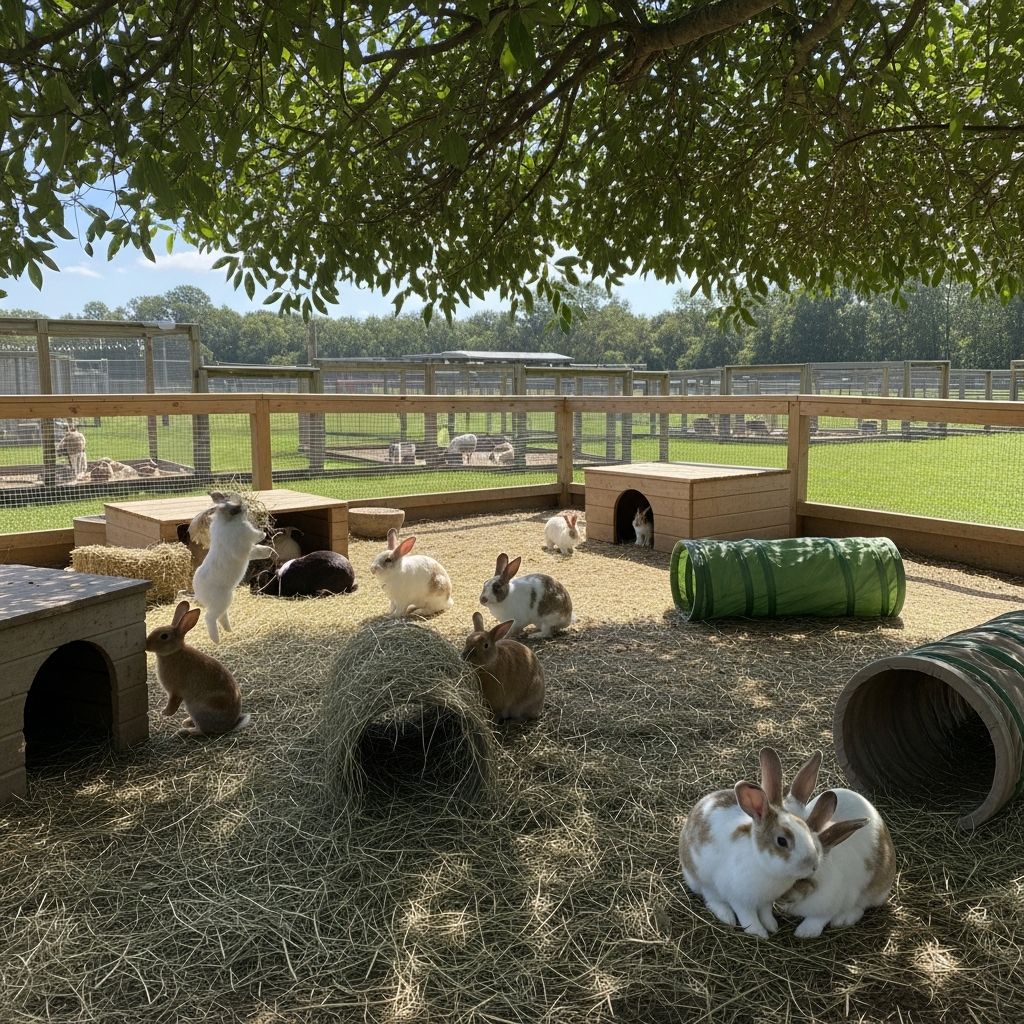
Welcome to Bunny House: The Cutest Place on Earth for Domestic Rabbits and Guinea Pigs
There’s no question about it: bunnies are absolutely adorable. With their long, soft ears, twitchy noses, and bright eyes, there’s a whole lot to love. At Best Friends Animal Sanctuary, the Bunny House stands as a haven for these fabulous fluffy friends, offering them a second chance at life and the love they deserve. On any given day, this remarkable facility is home to around 90 rabbits and a few guinea pigs who have experienced abandonment, hoarding, or excessive breeding. Some arrive with injuries or special medical needs, yet all simply want to be loved and cared for by compassionate individuals dedicated to their wellbeing.
The Bunny House represents a cornerstone of Best Friends Animal Sanctuary’s mission to provide refuge and rehabilitation for animals in need. These charming creatures make amazing companions and have proven themselves to be fabulous friends to countless visitors and residents. With plenty of rabbits looking for forever homes at the Sanctuary, the Bunny House serves as both a healing space and a matching ground between animals seeking love and people ready to provide it.
Understanding the Inhabitants of Bunny House
The Residents: Rabbits and Guinea Pigs
The Bunny House serves as a refuge for small animals whose lives have been marked by difficult circumstances. The approximately 90 rabbits that call this place home each have their own unique story. Many have been victims of abandonment when their owners discovered that rabbit care requires more commitment and expertise than initially anticipated. Others have been rescued from hoarding situations where they received minimal care and attention. Some rabbits come from breeding operations where they were treated as commodities rather than living beings worthy of compassion.
In addition to rabbits, the Bunny House also provides care for guinea pigs, which require similar attention and veterinary expertise. These small companions often face neglect and misunderstanding from owners unfamiliar with their needs. Both species require specialized knowledge about diet, environmental enrichment, and medical care to thrive.
Special Needs and Medical Considerations
Many residents of the Bunny House arrive with injuries, dental problems, or other special medical needs. These animals require individualized care plans and ongoing veterinary attention. The dedicated staff at the Bunny House works tirelessly to assess each animal’s condition and provide appropriate treatment. From dental care to wound treatment and illness management, every rabbit and guinea pig receives the medical attention necessary for recovery and long-term health.
Daily Care and Operations at the Bunny House
Morning Routines and Health Assessments
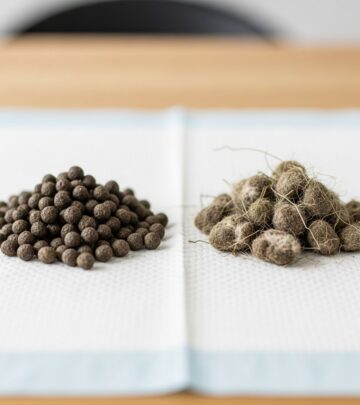
The day at the Bunny House begins with careful morning routines designed to monitor the health and wellbeing of all residents. One of the first tasks staff members perform is providing each bunny with a small portion of pellets. This morning snack serves a dual purpose: it’s one of the bunnies’ favorite treats, and it provides staff with a crucial opportunity to assess the animals’ health status. By observing which bunnies eagerly rush in for their pellets, caregivers can quickly identify which animals are feeling good and active. Conversely, if a bunny doesn’t respond to the pellet offering, it signals that something might be medically amiss and warrants closer observation and potential veterinary evaluation.
Pellets represent only a small portion of the rabbits’ diet and are used strategically as a high-value treat to generate excitement and engagement. This approach allows staff to evaluate the brightness and activity level of each animal, providing valuable health indicators at the start of each day. The caregivers understand that rabbits are sensitive creatures that often hide illness and discomfort, making these early morning observations essential for maintaining their wellbeing.
Medication Management and Clinical Care
After initial pellet distribution, the Bunny House team moves into the clinical area known as Traveler’s Refuge, the facility’s on-site clinic. Here, staff members prepare medications and administer treatments to rabbits requiring ongoing medical management. This clinic serves as the hub for medical care within the Bunny House, allowing for efficient medication delivery and health monitoring. The presence of a dedicated clinical space demonstrates the serious medical needs of many residents and the professional approach the sanctuary takes toward animal healthcare.
Building Relationships and Trust
Beyond the clinical and nutritional aspects of care, the Bunny House staff understands the importance of building relationships with the rabbits. Many animals arriving at the sanctuary have experienced trauma or minimal human interaction. Through patient, consistent care and gentle handling, even the shyest bunnies gradually learn to trust their caregivers. Over time, many of these cautious animals begin to view their human caretakers as part of their family. This relationship-building is crucial not only for the animals’ emotional wellbeing but also for practical care purposes, as rabbits that trust their handlers submit more readily to necessary medical procedures and health checks.
The Bunny Tune-Up: Comprehensive Health Examinations
What is a Bunny Tune-Up?
One of the most important and specialized tasks performed regularly at the Bunny House is the “bunny tune-up,” a comprehensive health examination that ensures each rabbit receives thorough monitoring and preventative care. These tune-ups represent a proactive approach to animal health management, allowing staff to catch potential problems early before they develop into serious conditions.
Components of the Tune-Up Process
The bunny tune-up follows a systematic protocol designed to examine every aspect of the rabbit’s physical health. The process begins with an oral examination, during which caregivers carefully inspect the bunny’s teeth for overgrowths or other dental abnormalities. Dental health is particularly important for rabbits, as their teeth continuously grow throughout their lives and can develop serious problems if not properly maintained.
Following the dental check, the caregiver performs a full body scan of the rabbit. This involves gently running hands over the bunny’s entire body to check for any abscesses, bumps, lumps, or other abnormalities. Special attention is paid to sensitive areas such as the chin, where abscesses commonly develop in rabbits. The caregiver also checks the rabbit’s skin carefully for any irritations, parasites, or conditions that might require treatment or medication adjustment.
The examination continues with a thorough assessment of the rabbit’s feet and hind legs, ensuring that the heel hops are healthy and that there are no signs of sore hocks or other podiatric problems. This detailed physical examination allows caregivers to monitor weight distribution, muscle tone, and overall physical condition.
Importance of Vigilance in Rabbit Health
The reason for such meticulous and regular health examinations cannot be overstated: rabbits are extremely sensitive creatures that instinctively hide signs of illness and injury. In the wild, showing weakness could make an animal vulnerable to predators, so rabbits have evolved to mask discomfort and disease remarkably well. This natural instinct means that by the time a bunny shows obvious signs of illness, the condition may already be quite advanced. Therefore, the Bunny House staff maintains constant vigilance, understanding that early detection of medical issues is essential for treatment success.
When any medical concern is noted during a tune-up or routine care session, it typically results in an immediate veterinary visit. The Bunny House staff recognizes that delaying treatment for these sensitive animals could result in serious complications or death. This commitment to prompt veterinary intervention is a cornerstone of the facility’s approach to animal welfare.
Intake and Admission Process
Welcome Procedures for New Arrivals
When a new rabbit or guinea pig arrives at the Bunny House, they undergo a thorough intake process designed to establish baseline health information and ensure proper medical care. This process begins with obtaining an accurate weight, which is crucial for establishing correct medication dosages and monitoring future health changes.
Comprehensive Initial Examination
During intake, staff members conduct a detailed examination including checks of the animal’s teeth, eyes, nose, and overall physical condition to identify any immediate abnormalities that might require urgent attention. This initial assessment helps prioritize medical care and ensures that no critical health issues are overlooked.
Medical Planning and Preventative Care
Based on the intake examination findings, the staff develops a medical care plan that typically includes scheduling spaying or neutering procedures and vaccinations. These procedures are important for the long-term health of the animals and also help prevent overpopulation and the perpetuation of rabbit abandonment.
The Importance of Naming
Perhaps one of the most touching aspects of the intake process is the assignment of a name to each new arrival. Naming represents the recognition of each animal as an individual with inherent value and personality. This simple act transforms each bunny from one of many rabbits in need to a specific, valued member of the Bunny House family. Each name represents hope for a better future and connects the animal to the community of people who will care for it.
Visiting the Bunny House
Meeting the Residents
The Bunny House welcomes visitors to the Best Friends Animal Sanctuary who wish to meet these adorable residents. A visit to the Bunny House offers a unique opportunity to interact with rescued rabbits and guinea pigs and learn about their stories and care needs. Visitors often find the experience transformative, gaining a deeper appreciation for these animals’ personalities and individual characteristics.
Volunteer and Visitor Opportunities
For those interested in deeper involvement, the Bunny House offers opportunities to volunteer and provide face-to-face interaction with the animals. Volunteers can assist with daily care tasks, provide companionship to the animals, and help ensure that each rabbit and guinea pig receives the attention and interaction they need. These volunteer opportunities allow caring individuals to make a tangible difference in the lives of these vulnerable creatures while learning more about rabbit and guinea pig behavior and care requirements.
Frequently Asked Questions About the Bunny House
Q: How many rabbits and guinea pigs live at the Bunny House?
A: The Bunny House is home to approximately 90 rabbits and a few guinea pigs at any given time. The exact numbers may vary as animals are adopted or new residents arrive.
Q: Why do so many rabbits need sanctuary care?
A: Many rabbits come to the Bunny House as victims of abandonment when owners realize their care requirements are more complex than expected. Others have been rescued from hoarding situations or commercial breeding operations. Many arrive with injuries or special medical needs.
Q: Can I adopt a rabbit from the Bunny House?
A: Yes, one of the primary goals of the Bunny House is to find loving forever homes for these rabbits and guinea pigs. Information about adoption procedures is available through Best Friends Animal Sanctuary.
Q: What is a bunny tune-up?
A: A bunny tune-up is a comprehensive health examination that includes dental checks, full body scans to detect abscesses or abnormalities, skin and coat assessment, and podiatric evaluation to ensure the rabbit is in good health.
Q: Why do rabbits hide their illnesses?
A: Rabbits instinctively hide signs of illness and injury as a survival mechanism. In nature, showing weakness makes them vulnerable to predators. This means illness is often advanced by the time it becomes obvious, making vigilant monitoring essential.
Q: Can I volunteer at the Bunny House?
A: Yes, volunteers are welcome to help with daily care tasks, provide companionship to the animals, and support the important work of the Bunny House. Interested individuals should contact Best Friends Animal Sanctuary for volunteer opportunities.
Q: What do rabbits eat at the Bunny House?
A: While rabbits receive a small portion of pellets as a high-value treat in the morning, the bulk of their diet consists of hay and other appropriate vegetation. Pellets are not a major component of their diet but are used strategically for health monitoring and enrichment.
Q: What happens when a new rabbit arrives at the Bunny House?
A: New arrivals undergo a comprehensive intake process including weight measurement, physical examination of teeth, eyes, nose, and overall condition. Medical care plans are developed, spaying or neutering is scheduled, vaccinations are arranged, and each animal receives a name to recognize their individuality.
References
- Bunny House | Best Friends Animal Society — Best Friends Animal Society. https://bestfriends.org/sanctuary/about-sanctuary/animal-areas/bunny-house
- Bunny Wellness at Best Friends Animal Sanctuary — Best Friends Animal Society. 2025-10-11. https://www.youtube.com/watch?v=DgDeFHIHTsU
- BTS: Welcome to Bunny House at Best Friends Animal Sanctuary — Best Friends Animal Society. https://www.youtube.com/watch?v=aNHuIK6aoYo
- Welcome to the Bunny House | Best Friends Animal Society — Best Friends Animal Society. https://bestfriends.org/e/welcome-to-bunny-house
- About Best Friends Animal Society — Best Friends Animal Society. https://bestfriends.org/about-us
Similar Articles




Read full bio of medha deb