

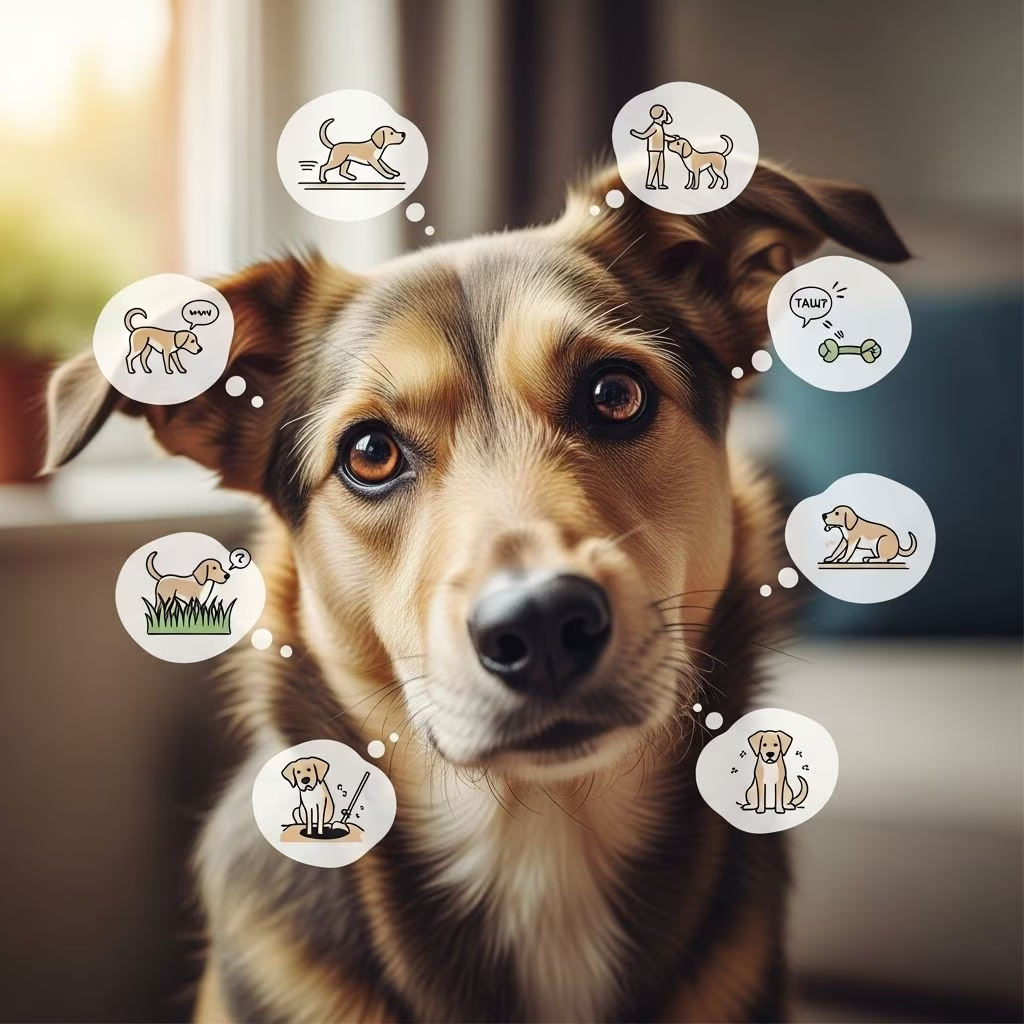
Dogs have a knack for behaviors that leave their human companions scratching their heads. From rolling in foul odors to obsessively chasing their tails, these quirks might seem bizarre to us two-legged observers, but they often serve instinctual purposes rooted in a dog’s wild ancestry and social nature. Understanding these habits helps strengthen the bond between you and your pup while addressing any potential issues. This article breaks down seven common weird dog behaviors, explaining their origins and offering practical tips.
Why Do Dogs Roll in Smelly Things?
One of the most perplexing sights is watching your pristine dog dive headfirst into something disgustingly odorous, like dead fish or fox poop, only to emerge smelling like a biohazard. This behavior, known as scent-rolling, dates back to wolves and wild canids who roll in strong scents to mask their own odor, making it easier to sneak up on prey or communicate pack information.
Domestic dogs retain this instinct, even without hunting needs. It could signal excitement, a way to ‘claim’ the scent, or simply because the smell brings joy. A study from the American Kennel Club notes that younger dogs do this more frequently as they explore their environment. You probably can’t eliminate it entirely, but prevention is key: keep your dog on a leash in risky areas, provide scent games like hide-and-sniff toys, and bathe them promptly with dog-safe shampoos. If rolling becomes obsessive, consult a vet to rule out allergies or skin issues.
Tail-Chasing: Playful Pup or Cause for Concern?
Puppies chasing their tails is adorable—like human babies discovering their feet. It’s a normal part of motor skill development and self-discovery. However, when adult dogs spin in circles excessively, it might indicate boredom, stress, or compulsive disorder akin to OCD in humans.
Experts from the ASPCA explain that healthy tail-chasing is easily interrupted; if your dog ignores treats, walks, or play to continue, it warrants attention. Compulsive behaviors affect about 2-3% of dogs, often linked to genetics in breeds like Bull Terriers or German Shepherds. Management includes increasing exercise, mental stimulation via puzzle toys, and environmental changes. In severe cases, veterinary behaviorists may recommend medication alongside behavior modification therapy.
- Signs of normal play: Short bursts, easily distracted, accompanied by wagging.
- Red flags: Hours-long sessions, self-injury, ignoring commands.
Humping: More Than Meets the Eye
Humping is a classic ’embarrassing’ dog behavior, often seen with legs, pillows, or other dogs. Contrary to popular belief, it’s not always sexual—both males and females do it, neutered or not. Vets attribute it to stress relief, excitement overdrive, play dominance, or even itchy skin.
A 2019 study in the Journal of Veterinary Behavior found humping peaks during high-arousal situations like greetings or arrivals home. It’s instinctual, mimicking mounting for reproduction or hierarchy in packs. To redirect: Interrupt calmly without punishment (which can increase anxiety), teach ‘sit’ or ‘leave it’ commands, and ensure ample exercise. If directed at people or animals inappropriately, professional training helps establish boundaries.
Crotch-Sniffing: The Canine Greeting Ritual
Dogs shoving their nose into human crotches feels invasive, but it’s their version of a handshake. Apocrine glands in the groin area release pheromones packed with personal data: health status, mood, gender, and more. This targeted sniffing is polite dog etiquette, gathering intel faster than small talk.
According to animal behaviorist Patricia McConnell, dogs prioritize genital sniffing because it’s the richest info source, unlike our handshakes. Discourage gently by turning sideways, crossing legs, or redirecting with a toy. Reward alternative greetings like sitting for pets. Breeds with strong scent drives, like Beagles, are notorious offenders.
| Behavior | Why Dogs Do It | How to Manage |
|---|---|---|
| Crotch-Sniffing | Pheromone detection | Body block + redirect |
| Humping | Stress/excitement | Interrupt + train alternatives |
| Tail-Chasing | Boredom/compulsion | Enrich environment |
Eating Rocks and Other Non-Food Items
Sudden rock-munching or pica (craving inedibles) alarms owners, as seen in older dogs picking up new risky habits. Causes range from nutritional gaps (e.g., anemia), gastrointestinal upset, boredom, or exploratory phases in pups. Older dogs might do it due to cognitive changes or dental issues.
Monitor closely—rocks can cause blockages requiring surgery. Vet checks for deficiencies first; supplement if needed. Train ‘leave it’ with high-value treats, increase fiber-rich diet, and provide chew toys. Behaviorist Sarah Lawley-Rudd emphasizes addressing root causes like unmet needs before correction.
Digging: The Ultimate Dirt Workout
Dogs dig to hunt prey, create cool beds, bury treasures, or relieve anxiety. Terriers were bred for it, making them digging pros. Hot weather prompts ‘cooling pits’; stress leads to frantic backyard excavation.
Prevent by designating a dig zone with sand/toys, using bitter sprays on gardens, and boosting daily activity. Frozen Kongs soothe anxious diggers. A University of Bristol study links excessive digging to insufficient mental outlets.
Stealing Items: The Sneaky Thief Syndrome
Dogs pilfer socks, remotes, even underwear—not out of malice, but for fun, attention, or self-medication. Observant pups learn stealing sparks chase games, fulfilling play needs. Pica or nutritional instincts might drive plant-nibbling.
Counter with ‘drop it’ training, securing valuables, and enrichment like snuffle mats. Avoid chasing, which reinforces it. If guarding emerges (growling over items), consult a behaviorist.
Why Do These Behaviors Happen More in Older Dogs?
As dogs age, senses dull, mobility shifts, sparking new habits like blanket burrowing or obsessive sniffing. Positive changes reflect emotional security; negatives signal pain or boredom. Approach with empathy: vet checks, routine tweaks, and positive reinforcement rebuild trust.
Frequently Asked Questions (FAQs)
Q: When is tail-chasing a problem?
A: If it’s compulsive, ignores distractions, or causes injury, seek vet advice for possible OCD-like disorder.
Q: How do I stop crotch-sniffing guests?
A: Train ‘sit’ for greetings and manage on-leash during visits.
Q: Is humping normal after neutering?
A: Yes, it’s often hormonal-independent excitement or stress relief.
Q: Why does my old dog eat rocks suddenly?
A: Check for health issues; redirect with safe chews and training.
Q: Can I train away digging?
A: Provide outlets and use deterrents; consistency is key.
These weird dog behaviors highlight their rich inner world. By decoding them, you foster understanding and harmony. Always prioritize vet input for persistent issues.
References
- Why Your Dog Suddenly Picked Up a Strange New Habit — Kinship. 2023-10-15. https://www.kinship.com/dog-behavior/new-dog-habits-old-dog
- 7 Weird Dog Behaviors Explained — Kinship. 2024-05-20. https://www.kinship.com/dog-behavior/weird-dog-behaviors
- Behaviour Problems in Dogs — RSPCA Knowledgebase (.org equivalent to gov/edu). 2025-01-10. https://www.rspca.org.uk/adviceandwelfare/pets/dogs/behaviour/problems
- Weird Things Dogs Have Stolen — Kinship. 2023-11-05. https://www.kinship.com/uk/dog-behaviour/funny-dog-stealing-stories
- Canine Compulsive Disorder — AKC Canine Health Foundation (.org authoritative). 2024-08-12. https://www.akcchf.org/canine-health/sporting-field-dogs/canine-compulsive-disorder.html
- Motivational Processes Underlying Compulsive Tail Chasing in Dogs — PubMed/NCBI (peer-reviewed). 2022-07-19. https://pubmed.ncbi.nlm.nih.gov/35863345/



