

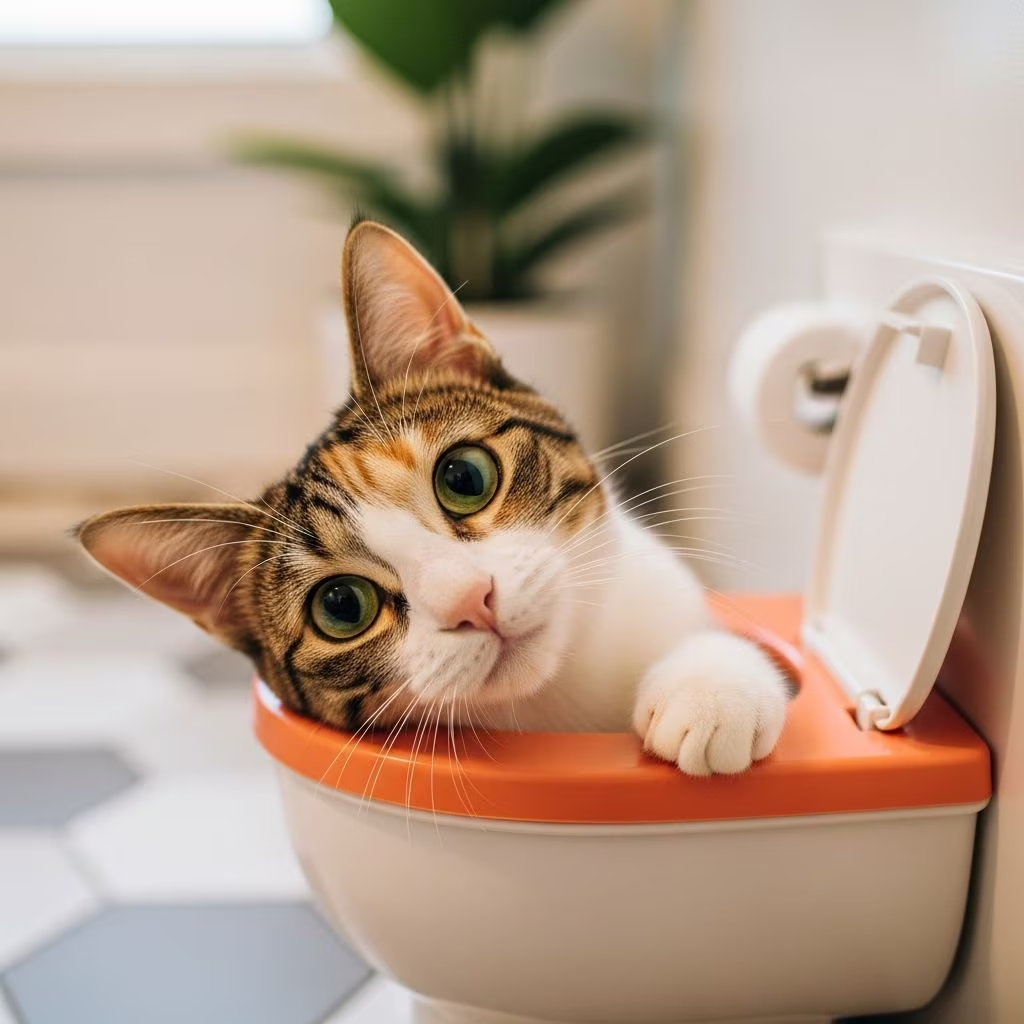
Cats are enigmatic creatures, and their litter box behaviors often leave owners scratching their heads. From dramatic exits to excessive digging, these quirks stem from instincts, preferences, or potential problems. Understanding them helps create a better bathroom experience for your feline friend.
Why Do Cats Have Weird Litter Box Habits?
In the wild, cats bury waste to hide scents from predators and competitors, a survival instinct persisting in domestic cats. Quirky habits like scratching air or zooming post-use reflect this. However, deviations can signal discomfort with litter type, box size, cleanliness, or health issues. Observing patterns reveals if it’s normal personality or a call for intervention.
Common Weird Cat Litter Box Habits
Here are the most peculiar litter box behaviors and their explanations.
Gargoyling
Your cat perches on the litter box edge using one or more paws, resembling a gargoyle. This indicates the box is too small, litter depth insufficient (aim for 2-3 inches), too many clumps, or litter irritating paws. Sensitive cats avoid deep contact with soiled litter.
- Solution: Use a larger box, add litter depth, scoop daily, or switch to softer clumping litter.
- When to worry: If paired with hesitation or avoidance.
Waffling
The cat hesitates entering or using the box despite clear need. Unappealing factors include strong odors, wrong litter texture, or location stressors like noise.
- Fixes: Experiment with unscented, fine clumping litters; ensure quiet, accessible spots; clean twice daily.
Box Banging
Pawing or scratching box sides, hood, or nearby surfaces instead of litter. Often due to hood confinement, small size, or uncleanliness.
- Tips: Remove hoods for open boxes, upgrade size (1.5x cat length), deep clean weekly.
The Litter Kicker
Vigorous kicking scatters litter pre-use. Natural but amplified by excess litter or low sides.
- Adjust: Reduce to 2-3 inches depth; use high-sided boxes to contain mess.
Port-a-Potty Style
Holding elimination, quick in-out without burying, suggests dirty box, noisy location, or stress.
- Action: More boxes per cat (n+1 rule), frequent scooping, calm areas.
The Janitor
In multi-cat homes, one cat buries another’s waste. Indicates insufficient boxes or cleaning.
- Resolution: Add boxes in separate locations; scoop after each use.
Post-Poop Zoomies
Bolting from the box at high speed after defecating. Evolutionary: fleeing potential predators drawn to scent. Normal unless with straining or yowling.
- Normalcy: Harmless fun; provide safe zoom space.
- Red flags: Crying, hindquarter scratching, appetite loss.
Phantom Scratching or Air Digging
Scratching floor, walls, or air post-elimination. Instinct to bury unmet by shallow litter or small box.
- Causes: Insufficient depth, unclean box, or enjoyment.
- Solution: 3-inch litter layer, high-quality clumping types.
Extended Digging Sessions
Minutes of digging, building litter mounds. Due to cleanliness needs, ritual enjoyment, or OCD-like repetition.
- Manage: Scoop often; monitor for excess (over 5-10 min) signaling issues.
Using Separate Boxes for Pee and Poop
Cats designate boxes: one for urine, one for stool. Common instinct to separate waste scents.
- Best practice: Provide at least two boxes per cat.
Not Covering Poop
Leaving waste exposed. Could be learned from mother, laziness, or territorial statement.
- Encourage: Demonstrate burying; ensure appealing litter.
Using the Box Immediately After Cleaning
Dashing in post-scoop to re-mark territory, as cleaning erases scent.
- Normal: Let them; it’s instinctual reclaiming.
Sleeping or Playing in the Litter Box
Treating box as bed or playground. Stress, illness (anemia, kidney issues), or preference if clean. Kittens often start this.
- Check: Vet for pica (litter eating); reduce stress with enrichment.
Circling or Meowing Before Use
Ritual inspection or announcement. Adjustment to environment or control-seeking.
- Harmless: Unless new and with avoidance.
Post-Poop Check-In
Exiting then returning to sniff/scratch. Ensuring burial or ritual completion. Normal double-check.
Table: Weird Habits vs. Solutions
| Habit | Common Causes | Solutions |
|---|---|---|
| Gargoyling | Small box, low litter | Larger box, 2-3″ litter |
| Box Banging | Hood, unclean | Open box, deep clean |
| Zoomies | Instinct | Monitor for pain signs |
| Phantom Digging | Shallow litter | Increase depth |
| Not Covering | Learned behavior | Model burying |
When Weird Habits Signal Trouble
Sudden changes demand vet attention: missing box, straining, blood, yowling, or appetite shifts indicate UTIs, constipation, or stress. Multi-cat dynamics or moves exacerbate issues. Baseline your cat’s normalcy.
- Medical red flags: Straining, crying, litter eating (anemia/kidney disease).
- Behavioral: House soiling from aversion.
Tips for Ideal Litter Box Setup
Prevent quirks with optimal setup.
- Boxes: n+1 per cat, various types/locations.
- Litter: Unscented clumping, 2-3 inches deep.
- Cleaning: Scoop daily, full change weekly.
- Location: Quiet, accessible, low-traffic.
- Monitor: Track changes weekly.
Frequently Asked Questions (FAQs)
Why does my cat scratch the air after using the litter box?
Instinct to bury waste; litter too shallow or box small. Add depth.
Is post-poop zoomies normal?
Yes, fleeing predator instinct; worry if with pain signs.
Why won’t my cat cover its poop?
Learned from mom or statement; use finer litter.
What if my cat sleeps in the litter box?
Stress or illness; vet check for anemia/kidney issues.
How many litter boxes for multiple cats?
One more than cats; separate areas.
Conclusion: Happy Cat, Clean Box
Most weird habits are benign instincts, tweakable with better setup. Persistent issues? Vet first. Informed owners foster stress-free feline facilities.
References
- What Do Your Cat’s Litter Box Behaviors Mean? — Purina. 2023. https://www.purina.com/tidy-cats/cat-litter-box-behavior
- Weird Cat Litter Box Behaviors – Explained! — World’s Best Cat Litter. 2023. https://www.worldsbestcatlitter.com/blog/weird-litter-box-behaviors/
- Strange Litter Box Behavior — Catwatch Newsletter. 2022. https://www.catwatchnewsletter.com/behavior/strange-litter-box-behavior/
- 8 Weird Cat Litter Box Habits — PetMD. 2024. https://www.petmd.com/cat/slideshows/8-weird-cat-litter-box-habits
- Litter Box Problems — ASPCA. 2023. https://www.aspca.org/pet-care/cat-care/common-cat-behavior-issues/litter-box-problems
- Cat Behavior Problems – House Soiling — VCA Animal Hospitals. 2024. https://vcahospitals.com/know-your-pet/cat-behavior-problems-house-soiling



