

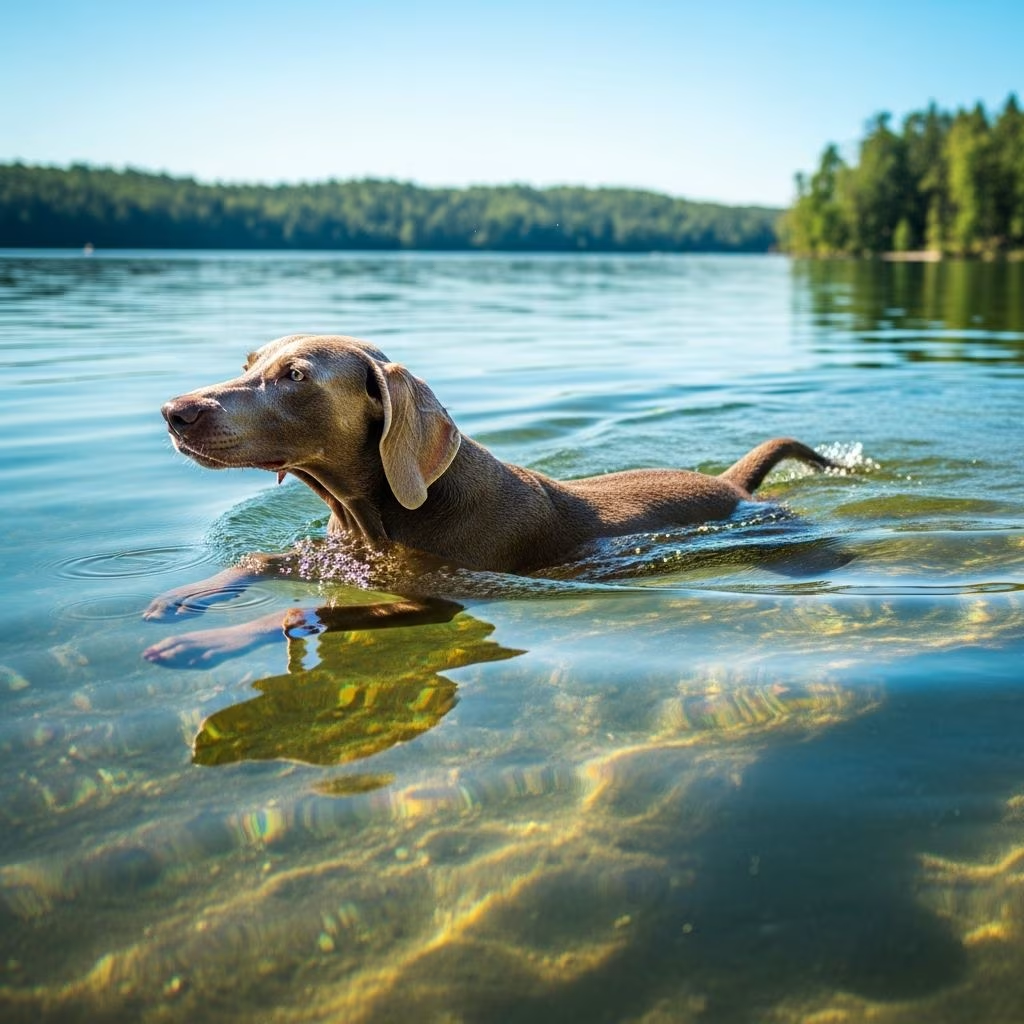
Weimaraners possess impressive swimming capabilities rooted in their heritage as versatile hunting dogs, often thriving in water with proper guidance and conditions.
Breed Heritage and Water Instincts
Originating from Germany in the 19th century, Weimaraners were developed for pursuing large game like boar and bear, later adapting to smaller prey including waterfowl, which honed their aquatic skills. Their athletic build, combined with physical adaptations, positions them well for water pursuits alongside tracking and retrieving tasks.
These dogs feature sleek, short coats that slice through water efficiently and partially webbed toes that enhance propulsion, traits shared with renowned water breeds such as Labrador Retrievers. This anatomy allows them to navigate muddy terrains and bodies of water during hunts, making swimming a natural extension of their versatile nature.
Physical Traits Enhancing Swimming Prowess
The webbed feet of Weimaraners provide superior paddling power, enabling quick maneuvers and endurance in aquatic environments. Their streamlined bodies minimize drag, supporting speeds and stamina suitable for retrieving objects from ponds or lakes.
- Webbed toes: Boost forward thrust and stability.
- Short coat: Dries rapidly, reducing chill risk in moderate climates.
- Muscular frame: Delivers the power for sustained swims.
While not insulated for icy waters like some retrievers, they perform admirably in temperate settings, often entering water eagerly for play or work.
Health Advantages of Swimming for Weimaraners
Swimming ranks as an ideal low-impact exercise for this high-energy breed, particularly during rapid puppy growth phases when joint stress must be minimized. It builds muscle without the pounding of land-based activities, aiding overall fitness.
| Benefit | Description |
|---|---|
| Joint Protection | Buoyancy reduces weight-bearing strain on developing bones and hips. |
| Cardiovascular Fitness | Enhances heart health and endurance without overheating risk. |
| Weight Control | Burns calories efficiently for active adults prone to obesity if under-exercised. |
| Mental Stimulation | Retrieve games engage their intelligent, working minds. |
For adolescents resembling adults but still growing, aquatic workouts prevent injuries while channeling boundless energy, often leaving them contentedly tired. Owners note it surpasses running for holistic conditioning.
Assessing Individual Swimming Affinity
Though the breed generally embraces water, preferences vary by dog. Many dive in spontaneously, especially with early exposure, chasing toys or cooling off. However, some hesitate, influenced by genetics, upbringing, or past events.
Puppies introduced gradually during socialization windows—around 8-12 weeks—typically develop confidence swiftly. Adults missing this phase might require patient encouragement, leveraging their retrieve drive.
Reasons Some Weimaraners Avoid Water
Not every Weimaraner paddles with glee; factors include:
- Late Introduction: Older dogs without puppy water play may lack instinctual comfort.
- Trauma: Negative incidents like forced submersion or startling splashes create aversion.
- Genetic Leanings: If parents shunned water, offspring might inherit reluctance.
- Sensory Issues: Unusual sounds or water textures can unsettle sensitive individuals.
- Health Concerns: Pain from conditions like ear infections or arthritis discourages entry.
Observe body language: tail tucking, wide eyes, or paw lifting signals discomfort needing addressed before pushing further.
Step-by-Step Training for Water Enthusiasts
Transform a hesitant Weimaraner into a water lover using positive reinforcement centered on their fetching passion. Begin in controlled, shallow settings.
- Shore Play: Toss toys near water edges, rewarding approaches with praise and treats.
- Shallow Wades: Enter calm ponds together, keeping depths knee-high initially.
- Retrieve Progression: Float bumpers just beyond shallows, coaxing with enthusiasm.
- Command Integration: Teach ‘swim’ cues once comfortable, fading lures gradually.
- Build Duration: Extend sessions as stamina grows, always ending positively.
Patience yields results; many owners report breakthroughs after sessions leveraging retrieve obsession in still-water venues.
Optimal Environments for Weimaraner Swims
Select sites matching their skill level:
- Calm Ponds/Lakes: Shallow entries, no currents ideal for novices.
- Supervised Pools: Ramps ensure easy exits; chlorinated water demands post-rinse.
- Oceans (Advanced): Only post-training, monitoring tides and waves.
- Avoid: Fast rivers, frigid lakes risking hypothermia.
Moderate temperatures—above 70°F (21°C)—prevent coat-related chilling.
Critical Safety Protocols
Prioritize vigilance to avert mishaps, regardless of prowess.
| Risk | Prevention |
|---|---|
| Exhaustion | Monitor panting, slowing; enforce breaks every 15-20 minutes. |
| Ingestion | Provide fresh water; discourage gulping lake/ocean sources causing illness. |
| Entry/Exit Hazards | Install ramps/steps; confirm clear paths. |
| Skin/Ear Issues | Rinse thoroughly post-swim; dry ears to thwart infections. |
| Unseen Dangers | Never unsupervised; scan for debris, wildlife. |
Life jackets suit puppies, seniors, or unsure swimmers, offering buoyancy without hindering strokes.
Competitive and Fun Water Pursuits
Beyond casual dips, Weimaraners shine in dock diving, fetching contests, and therapy swims, channeling heritage into modern sports. These outlets burn energy while fostering bonds.
Frequently Asked Questions
Can all Weimaraners learn to swim?
Most can with training, though some prefer land; persistence via retrieve motivation proves effective.
Is swimming safe for Weimaraner puppies?
Yes, post-vaccination in shallows; it safeguards growing joints.
How often should they swim?
2-3 times weekly suffices for exercise, adjusting for age and fitness.
What if my adult Weimaraner fears water?
Proceed slowly, consulting trainers if trauma suspected.
Do they need swim gear?
Coats handle moderate use, but vests aid beginners or rough waters.
References
- How Well Do Weimaraners Swim? Facts & Safety Tips — Dogster. 2023. https://www.dogster.com/dog-health-care/how-well-do-weimaraners-swim-facts-safety-tips
- Waterwork — OwyheeStar Weimaraner. N/A. https://www.owyheestar.com/waterwork.html
- 5 Essential Facts About Weimaraners — Greenfield Puppies. 2023. https://www.greenfieldpuppies.com/blog/facts-about-weimaraners/
- Do Weimaraners Like Water? Facts & Safety Tips — Hepper. 2023. https://articles.hepper.com/do-weimaraners-like-water/
- 14 Facts About Weimaraners — Purely Pets Insurance. 2023. https://www.purelypetsinsurance.co.uk/blogs/14-facts-about-weimaraners/



