
WEEV In Poultry: Risks, Diagnosis, And Prevention Guide
Understand Western Equine Encephalitis Virus threats to poultry flocks, transmission cycles, symptoms, and proven prevention strategies for bird health.
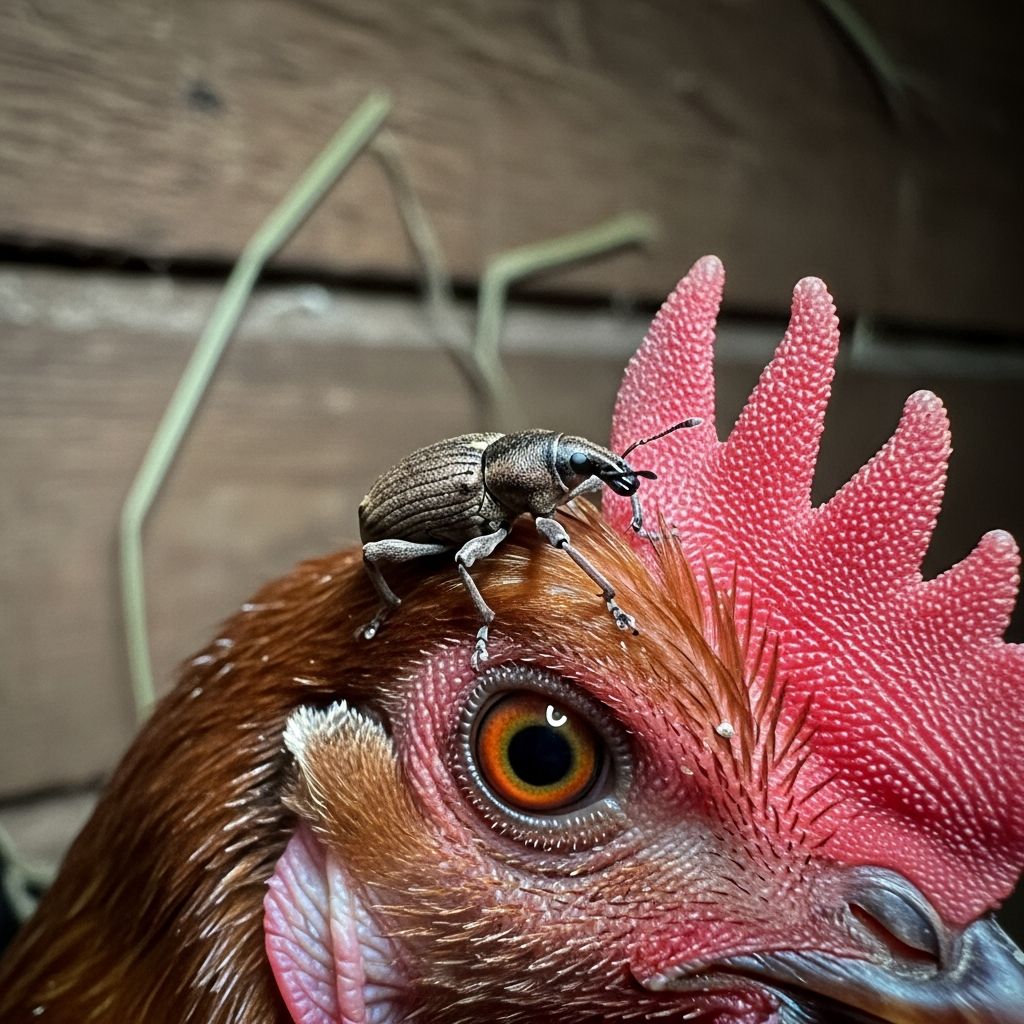
Western Equine Encephalitis Virus (WEEV), an alphavirus from the Togaviridae family, poses sporadic risks to poultry through mosquito vectors that bridge wild bird reservoirs to domestic flocks. Primarily affecting passerine birds as amplifiers, it rarely causes overt disease in commercial poultry but warrants vigilance in endemic zones.
Understanding the WEEV Pathogen
WEEV thrives in a natural cycle involving arthropod vectors and vertebrate hosts across the Americas. This RNA virus targets the central nervous system, inducing encephalitis in susceptible species. In birds, infections often remain subclinical, supporting viral amplification without evident harm.
Key characteristics include its enveloped structure and ability to infect via mosquito bites. Passerine species like house finches and sparrows serve as primary reservoirs, sustaining viremia that mosquitoes acquire and disseminate.
Epidemiology in Avian Populations
WEEV emerges seasonally in temperate regions from mid-summer to autumn, aligning with mosquito activity peaks. Tropical areas see year-round potential where vectors persist. Prevalence ties to Culex tarsalis abundance, with female mosquito surges elevating transmission odds, particularly under high temperatures.
- Adult birds attract more vectors than nestlings, positioning them as key amplifiers.
- Hatching-year birds boost seasonal spread due to naivety.
- Resident avian species show higher seroprevalence than migrants.
In poultry contexts, infections occur incidentally, with passerines as main drivers. Game birds, ratites, and some domestic types like chickens face rare outbreaks.
Transmission Dynamics
Mosquitoes, especially Culex tarsalis, ferry WEEV from infected birds to mammals and occasionally poultry. A secondary cycle involves Aedes melanimon and jackrabbits, but avian-mosquito links dominate.
Domestic poultry rarely amplify due to housing practices reducing exposure, yet free-range or outdoor flocks risk incursion near wetlands or wild bird habitats.
| Vector | Primary Hosts | Transmission Risk to Poultry |
|---|---|---|
| Culex tarsalis | Passerine birds | High in endemic areas |
| Aedes species | Rodents, rabbits | Low |
Clinical Manifestations in Birds
Poultry typically exhibit asymptomatic infections, mirroring patterns in chickens and other domestics. When disease arises, as in game birds or ratites, signs include neurological deficits: tremors, ataxia, depression, and mortality in severe cases.
Unlike equines showing fever, paralysis, and convulsions, avian responses vary by age and species. Young birds may amplify viremia heavily, yet recover without lasting effects.
- Non-specific signs: lethargy, reduced feed intake.
- Neurological: head pressing, circling, muscle fasciculations.
- Fatal outcomes rare in vaccinated or indoor flocks.
Susceptibility Across Poultry Types
Commercial layers and broilers show resilience, with low clinical incidence. Ratites and game birds prove more vulnerable, reporting sporadic encephalitis.
Factors influencing severity:
- Age: Juveniles amplify more.
- Immune status: Naïve flocks at higher risk.
- Vector density: Outdoor exposure amplifies threats.
Diagnosis Methods
Confirming WEEV demands serology, PCR, or virus isolation from tissues. Seroprevalence surveys detect antibodies in asymptomatic carriers, guiding flock monitoring.
Veterinary protocols involve:
- Post-mortem exams for CNS lesions.
- RT-PCR on brain, spleen samples.
- ELISA for IgM/IgG titers.
Differentiate from WNV, EEE via multiplex assays, as co-circulation occurs.
Prevention and Control Strategies
Vector management forms the cornerstone: eliminate breeding sites, apply larvicides, and screen enclosures.
Vaccines, safe and immunogenic for equines, show promise for high-risk poultry, though not routinely used.
- Integrated pest management (IPM).
- Biosecurity: netting, repellents.
- Surveillance: sentinel birds for early detection.
Pathological Insights from Models
Animal studies illuminate WEEV neurotropism. Mice display olfactory invasion, brainstem lesions, ataxia—mirroring potential avian paths.
Non-human primates via aerosol challenge reveal CNS lymphocyte infiltration, underscoring inhalation risks near vectors.
Global Distribution and Zoonotic Concerns
Confined to Americas, WEEV threatens equids and humans as dead-ends. Poultry roles stay amplifying, not spilling to people.
Outbreaks spike post-floods boosting mosquitoes, demanding regional alerts.
Management in Commercial Settings
Flock owners prioritize housing design excluding vectors. Routine health checks flag anomalies early.
| Strategy | Benefits | Implementation |
|---|---|---|
| Mosquito nets | Reduces bites by 90% | Over coops, runs |
| Larvicides | Cuts populations | Standing water |
| Vaccination trials | Boosts immunity | High-risk areas |
Research Frontiers
Ongoing work targets antivirals, improved vaccines like VLPs protecting against aerosol challenges. Bird pathology studies may yield transmission blockers.
Frequently Asked Questions (FAQs)
Can WEEV kill poultry flocks?
Rarely; most infections subclinical, but young or stressed birds may succumb.
How to protect backyard chickens?
Use screens, drain puddles, avoid dusk outdoor access.
Is WEEV vaccine available for birds?
Not standard; equine versions exist, avian trials promising.
Does WEEV spread bird-to-bird?
No; mosquito-mediated only.
Link between WEEV and other encephalitides?
Similar vectors; monitor for EEE, WNV co-infections.
References
- Disease Alert: Equine Encephalitis (EEE/WEE/VEE) — USDA APHIS. 2023. https://www.aphis.usda.gov/livestock-poultry-disease/equine/encephalitides
- Western equine encephalitis virus: A comprehensive review — PMC/NCBI. 2024-10-15. https://pmc.ncbi.nlm.nih.gov/articles/PMC12584650/
- Equine encephalomyelitis (Western) — World Organisation for Animal Health (WOAH). 2024. https://www.woah.org/en/disease/equine-encephalomyelitis-western/
- West Nile Virus In Domestic Animals and Birds — Connecticut Department of Agriculture. 2023. https://portal.ct.gov/doag/regulatory/regulatory/west-nile-virus-in-domestic-animals-and-birds
- Overview of Viral Encephalitides in Birds — MSD Veterinary Manual. 2024. https://www.msdvetmanual.com/poultry/viral-encephalitides-in-birds/overview-of-viral-encephalitides-in-birds
Similar Articles








Read full bio of medha deb


