

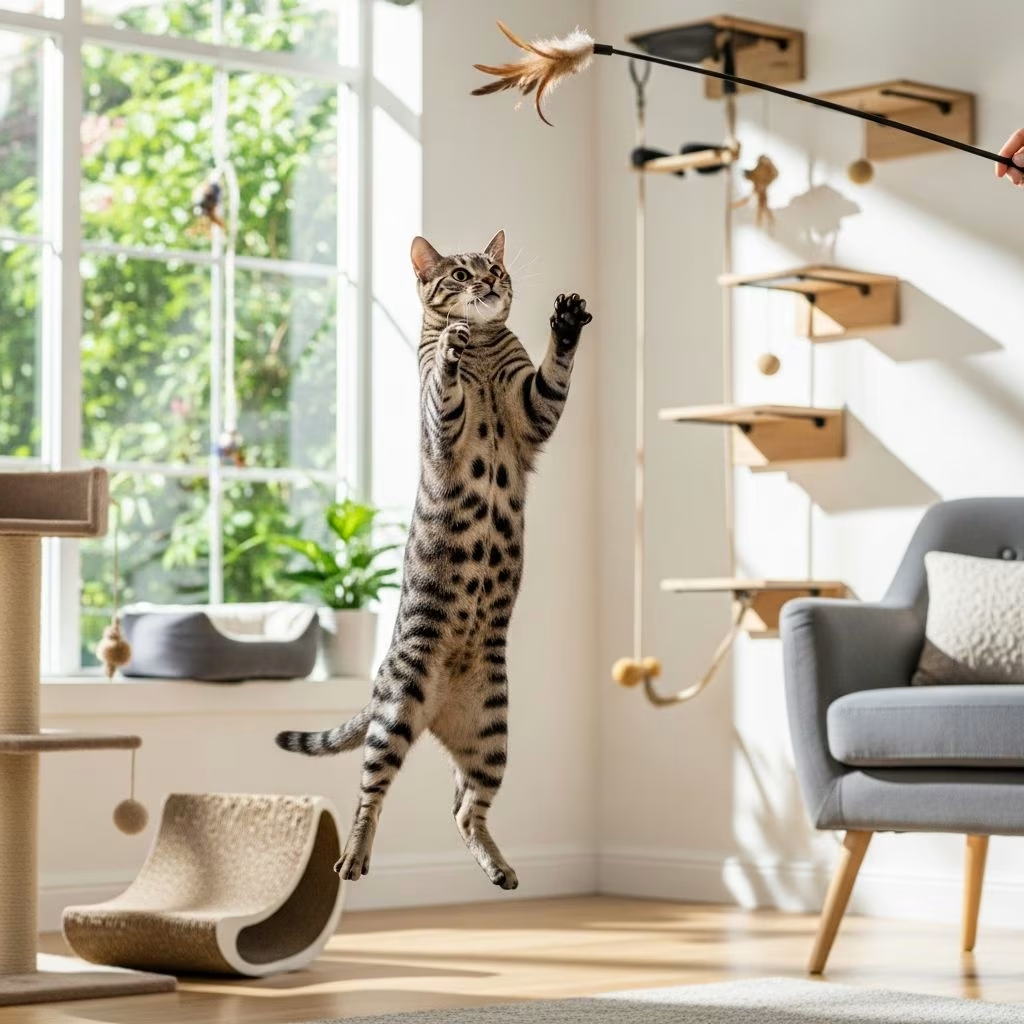
Indoor cats can live happy, healthy, and fulfilling lives when provided with adequate mental and physical stimulation. However, many cat owners struggle to keep their feline companions engaged in an indoor environment. The key to maintaining an active, curious, and well-balanced indoor cat lies in understanding their natural behaviors and providing enrichment opportunities that mirror what they would experience outdoors. This comprehensive guide explores seven proven strategies to ensure your indoor cat remains physically active and mentally stimulated.
Understanding the Importance of Activity for Indoor Cats
Indoor cats require regular physical activity and mental engagement to maintain optimal health and happiness. Unlike outdoor cats who have unlimited space to explore, climb, and hunt, indoor cats must rely on their owners to create an enriching environment. Without adequate stimulation, indoor cats can become bored, which may lead to behavioral issues such as aggression, destructive scratching, or inappropriate elimination. Additionally, sedentary indoor cats are at higher risk of becoming overweight, which can contribute to various health problems including diabetes and joint issues.
The good news is that with thoughtful planning and consistent effort, you can create an indoor environment that keeps your cat mentally sharp, physically active, and emotionally satisfied. The strategies outlined below are simple to implement and can make a significant difference in your cat’s overall well-being.
1. Rotate Your Cat’s Toys Regularly
One of the simplest yet most effective ways to maintain your indoor cat’s interest is to rotate their toy selection. Rather than having all toys available at once, keep some toys stored away and bring out different ones on a rotating basis. This strategy keeps toys feeling fresh and exciting, preventing the boredom that comes from stale playthings.
Cats respond well to novelty, and rotating toys mimics the natural variation in their environment. You might rotate toys weekly or every few days, depending on your cat’s preference and attention span. When you reintroduce a toy after a period of storage, your cat will likely display renewed interest and enthusiasm, extending the entertainment value of your current toy collection.
When selecting toys, aim for variety in types and textures:
- Kicker toys for pouncing and kicking behaviors
- Fishing rod toys for interactive play with owners
- Interactive battery-operated toys for solo play
- Plush balls with bells for batting and chasing
- Feather wands for mimicking bird movements
2. Implement Puzzle Feeders and Interactive Feeding
Mealtime provides an excellent opportunity to incorporate mental stimulation and physical activity. Rather than simply placing food in a bowl, use puzzle feeders and food-dispensing toys to engage your cat’s natural hunting instincts. These devices require your cat to work for their food, slowing down their eating pace and providing cognitive engagement.
Puzzle feeders come in various designs and difficulty levels, from simple treat-dispensing balls to complex multi-stage feeders. By rotating between different puzzle feeders, you maintain novelty and prevent your cat from mastering one device too quickly. This approach not only provides entertainment but also helps prevent overeating and obesity in sedentary indoor cats.
You can also hide small portions of kibble or treats throughout your home, creating a treasure hunt experience for your cat. This taps into their natural foraging instincts and encourages exploration and movement throughout your living space.
3. Create Vertical Spaces and Cat Trees
Cats are natural climbers who instinctively seek high vantage points for security and observation. Installing cat trees, wall-mounted shelves, and other vertical elements transforms your home into a three-dimensional playground. These vertical spaces serve multiple purposes: they provide exercise opportunities, create safe retreats, and allow your cat to observe their surroundings from elevated positions.
When selecting or building vertical structures, consider:
- Height and stability for safe climbing and jumping
- Multiple levels to encourage movement between heights
- Comfortable resting spots at various elevations
- Incorporated scratching surfaces for claw maintenance
- Materials that are durable and long-lasting
Cat trees also serve as stress-reduction tools. When your cat feels anxious or wants privacy, vertical spaces provide safe hideaways where they can observe the world below without feeling exposed or threatened. This psychological benefit complements the physical exercise advantages of having vertical structures in your home.
4. Establish Window Perches and Bird-Watching Stations
Indoor cats derive tremendous enjoyment and mental stimulation from observing outdoor activity, particularly birds. Window perches allow your cat to watch birds, squirrels, and other wildlife while remaining safely indoors. This natural form of entertainment engages your cat’s hunting instincts without causing any harm to outdoor animals.
To create an effective bird-watching station:
- Place comfortable perches or beds near windows
- Ensure windows are clean for clear views
- Install window screens securely for safety
- Consider bird feeders positioned near your windows
- Keep the viewing area free from obstacles
You might also play bird sounds or videos specifically designed for cats, which provide additional visual and auditory stimulation. Many cats find these videos mentally engaging, though they should complement rather than replace real-world observations.
5. Provide Scratching Posts and Scratching Objects
Scratching is a natural feline behavior that serves multiple functions: it maintains claw health, stretches muscles, relieves stress, and marks territory. Providing appropriate scratching surfaces prevents destructive scratching of furniture while simultaneously providing physical exercise and mental satisfaction for your cat.
Different cats prefer different scratching styles. Some prefer vertical posts while others favor horizontal scratchers. Offering a variety ensures your cat can indulge their preferred scratching style:
- Vertical scratching posts for full-body stretching
- Angled scratchers for different scratch angles
- Horizontal cardboard scratchers for floor-level scratching
- Sisal rope-wrapped posts for durability
- Multi-level scratching furniture that combines climbing and scratching
High-quality scratching furniture, such as the Hepper Hi-Lo Cat Scratcher, offers multiple scratching angles and serves as both exercise equipment and furniture. These durable options provide long-term value and encourage regular physical activity through scratching and climbing movements.
6. Create Indoor Obstacle Courses and Hide Spaces
Cats are natural acrobats who love to jump, climb, and navigate complex spaces. Creating an indoor obstacle course using furniture, boxes, tunnels, and other household items provides both physical exercise and mental stimulation. These makeshift courses encourage your cat to move through your home in new ways, building strength and maintaining fitness.
When designing an obstacle course:
- Use cardboard boxes of various sizes
- Create tunnels from paper bags or cardboard tubes
- Arrange furniture to encourage jumping and climbing
- Include hiding spots where your cat can retreat
- Ensure all structures are stable and safe
Hideouts are equally important for indoor cat enrichment. Cats need secure spaces where they can retreat and feel safe. This might include enclosed beds, boxes with openings, or commercial cat hideaways. Providing multiple hiding spots throughout your home allows your cat to feel secure while exploring different areas.
7. Build or Install a Catio (Cat Patio)
A catio is one of the most comprehensive solutions for providing indoor cats with safe outdoor enrichment. A catio is a secure, enclosed outdoor space that allows cats to experience the sights, sounds, and smells of the outdoors without exposure to dangers like traffic, predators, or infectious diseases. Catios range from small portable enclosures to elaborate structures that attach directly to your home.
Benefits of a catio include:
- Safe access to fresh air and natural sunlight
- Exposure to outdoor stimuli without risks
- Opportunity to climb trees and explore natural materials
- Mental enrichment from observing wildlife
- Physical exercise in a secure environment
Whether you have a house, apartment, or even live in a high-rise building, catio options exist to suit your space and budget. DIY plans are available online, or you can purchase pre-made enclosures. The investment in a catio pays dividends in your cat’s physical health and mental well-being.
Interactive Play and Daily Engagement
Beyond environmental enrichment, regular interactive play with your owner is crucial for maintaining indoor cat activity levels. Dedicate time each day to play sessions using fishing rods, feather wands, or laser pointers. These interactive toys engage your cat’s hunting instincts and create bonding opportunities between you and your pet.
Effective interactive play sessions typically last 10-15 minutes and should include varied movements that mimic prey behavior. Rotate through different interactive toys to maintain your cat’s interest and exercise different hunting strategies.
Additional Enrichment Strategies
Beyond the seven primary strategies, several additional activities enhance indoor cat enrichment. Consider installing cat shelves on walls for additional vertical pathways, experimenting with different textures and materials, and incorporating environmental changes that provide novelty and mental stimulation.
You can also train your cat to walk on a harness and leash, allowing supervised outdoor exploration while maintaining safety. This requires patience and gradual acclimation but can open new enrichment possibilities for your indoor cat.
Frequently Asked Questions
Q: How much daily activity does an indoor cat need?
A: Indoor cats should have multiple play sessions throughout the day, totaling at least 30 minutes of active play. This can be distributed across short 10-15 minute sessions interspersed throughout the day to match your cat’s natural activity patterns.
Q: Are indoor cats really happy and fulfilled?
A: Yes, indoor cats can be just as happy and fulfilled as outdoor cats when provided with adequate enrichment through toys, interactive play, vertical spaces, and mental stimulation. Many indoor cats actually have longer lifespans and fewer health problems than outdoor cats.
Q: What’s the best type of toy for indoor cats?
A: The best toys vary by individual cat, which is why offering a variety is ideal. Most cats enjoy a combination of interactive toys (like fishing rods), solo toys (like balls and kicker toys), and toys that encourage natural behaviors like scratching. Rotating toys maintains interest over time.
Q: How do I prevent my indoor cat from becoming overweight?
A: Combine regular physical activity through interactive play and environmental enrichment with measured portion control using puzzle feeders and food-dispensing toys. These strategies engage your cat’s hunting instincts while preventing overeating.
Q: Is a catio worth the investment?
A: A catio provides significant benefits for indoor cats, offering safe outdoor enrichment that significantly improves quality of life. While it requires initial investment, the long-term health and behavioral benefits often make it worthwhile for dedicated cat owners.
Q: Can I use DIY materials for cat enrichment?
A: Absolutely. Cardboard boxes, paper bags, household items, and DIY furniture can provide excellent enrichment opportunities. The key is ensuring all materials are safe, stable, and non-toxic for your cat.
Conclusion
Keeping your indoor cat active, curious, and calm is entirely achievable through consistent application of these seven strategies. By rotating toys, implementing puzzle feeders, creating vertical spaces, establishing viewing stations, providing scratching opportunities, building obstacle courses, and considering a catio installation, you create a dynamic indoor environment that meets your cat’s physical and psychological needs. Combined with regular interactive play and daily engagement, these approaches ensure your indoor cat thrives rather than merely survives. Remember that every cat is unique, so observe your pet’s preferences and adjust your enrichment strategies accordingly. With dedication and creativity, you can transform your home into a cat paradise that keeps your feline companion happy, healthy, and thoroughly entertained.
References
- Are Indoor Cats Happy & Fulfilled? Vet-Verified Facts & FAQ — Catster. 2024. https://www.catster.com/cat-health-care/are-indoor-cats-happy-and-fulfilled/
- How To Make An Outdoor Cat Into An Indoor Cat — Catster. 2024. https://www.catster.com/lifestyle/making-an-outdoor-cat-an-indoor-cat/
- 14 Ways to Provide Mental Stimulation for Cats: Vet-Reviewed — Catster. 2024. https://www.catster.com/cat-health-care/ways-to-provide-mental-stimulation-for-cats/
- When Cats Enjoy the Good Life: Olga’s Indoor Existence — Catster. 2024. https://www.catster.com/felines-weekly/when-cats-enjoy-the-good-life/
- 21 Fun Things to Do With Your Cat (Indoors & Outdoors) — Catster. 2024. https://www.catster.com/lifestyle/fun-things-to-do-with-your-cat/
- How to Keep Your Indoor Cat Happy: 12 Vet-Reviewed Tips — Catster. 2024. https://www.catster.com/cat-health-care/how-to-keep-an-indoor-cat-happy/
- Indoor vs Outdoor Cats: Which Is Better? Dr Karyn’s Opinion — Catster. 2024. https://www.catster.com/felines-weekly/indoor-vs-outdoor-cats-dr-karyns-opinion/



