

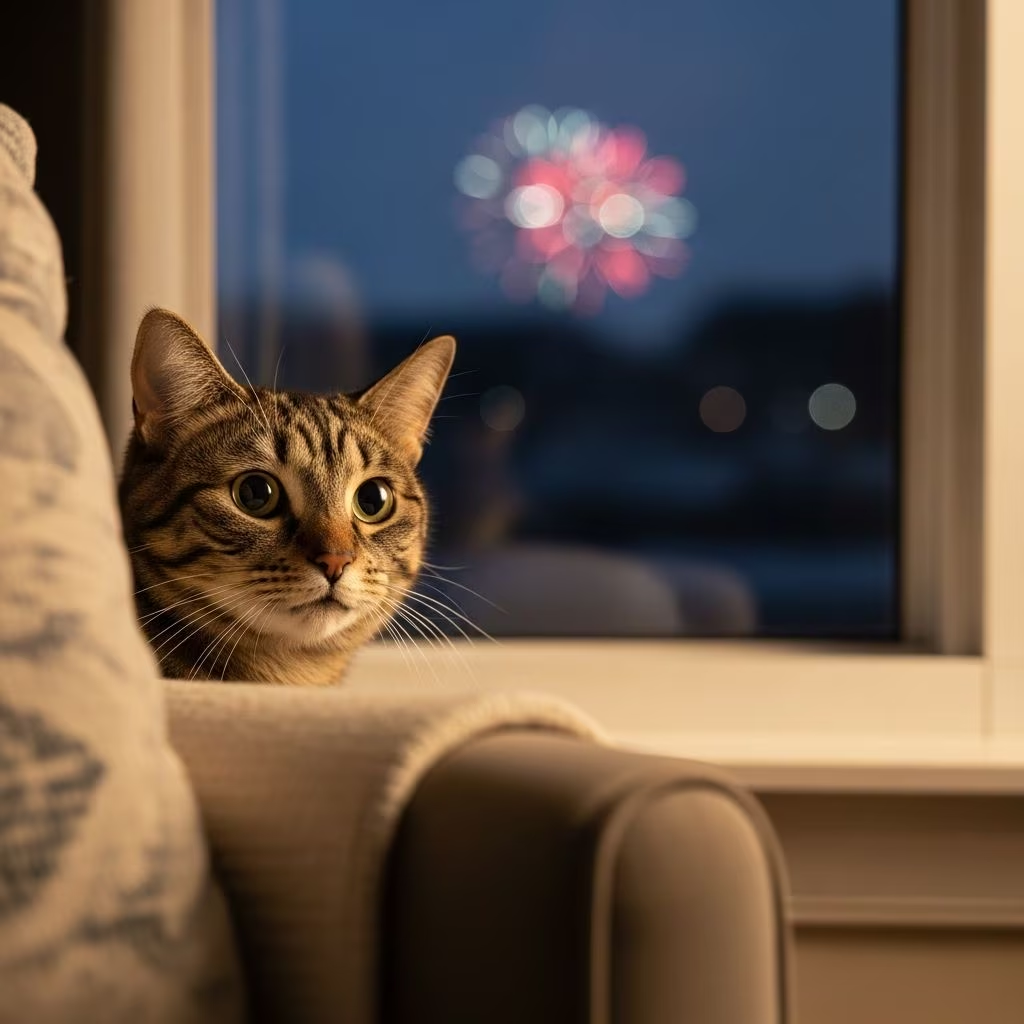
The Fourth of July brings vibrant fireworks displays, barbecues, and gatherings that humans adore. However, for cats, these celebrations often trigger intense fear due to their acute hearing and sensitivity to sudden noises. Fireworks can reach frequencies up to 65 kHz, far beyond human perception, causing panic that leads to escapes, injuries, or ingestion of toxic remnants. This comprehensive guide outlines practical, vet-approved strategies to safeguard your cat, drawing from animal welfare experts and covering preparation, anxiety management, safety measures, and post-event care. By implementing these steps, you can minimize stress and ensure your feline remains secure throughout the holiday.
Why Fireworks Terrify Cats
Cats possess hearing three times more sensitive than humans, detecting sounds up to 65 kHz. The explosive booms and flashes mimic predator threats, provoking a fight-or-flight response that spikes adrenaline, heart rate, and blood pressure. Indoor cats may hide for days, while outdoor or feral cats risk bolting into traffic or abandoning kittens. Not all cats react identically—some sleep through it—but planning for worst-case anxiety is essential, as fear can lead to lost pets or injuries from cars, predators, or fireworks chemicals. Gastrointestinal issues, red blood cell damage from chlorates, and muscle weakness from barium in spent fireworks compound the dangers if ingested.
Prepare Your Cat in Advance
Start preparations weeks before July 4th to desensitize your cat to fireworks sounds. Use counter-conditioning: play low-volume recordings of fireworks paired with treats or playtime, gradually increasing volume over sessions. If signs of fear appear—like dilated pupils, panting, or tucked tail—lower the volume and resume. Update microchip information and ensure collars have ID tags, as scared cats often escape. Stock up on calming aids: pheromone diffusers (Feliway), supplements like L-theanine, or vet-prescribed anxiety meds for severe cases. Schedule a vet visit if your cat has a history of noise phobias.
- Microchipping: Essential for lost pet recovery; verify contact details are current.
- Desensitization recordings: Free apps or YouTube videos work; pair with high-value rewards.
- Calming products: Test pheromone collars or treats early to avoid new stressors.
Create a Safe Indoor Environment
Never let your cat outdoors on July 4th—even adventure cats panic and flee amid doors opening for guests. Seal off unsafe hiding spots like crawlspaces or attics to prevent entrapment. Designate a quiet ‘safe room’ away from windows with blackout curtains to block flashes. Provide multiple hiding options: cardboard boxes, blanket-draped baskets, or elevated perches. Play white noise, calming music, or a TV to mask booms. Avoid confining to one small space, as this heightens anxiety; allow access to several rooms for choice.
| Safe Hiding Spot Ideas | Materials Needed | Benefits |
|---|---|---|
| Cardboard box bed (on side) | Box, cat bed, towel | Easy burrow access, den-like security |
| Blanket over laundry basket | Basket, blanket | Cozy, muffled sound |
| Elevated cat tree shelf | Cat tree, pillows | High vantage reduces perceived threat |
| Closet with door ajar | Pillows, toys | Familiar scents calm nerves |
Feed early before dusk and secure food/water to prevent outdoor luring. For feral/community cats, provide insulated shelters in quiet spots with straw bedding.
Reduce Anxiety During Fireworks
Stay calm yourself—cats mirror owner stress. Offer gentle petting if welcomed, but respect hiding preferences. Use treats, interactive toys, or puzzle feeders to distract. Pheromone diffusers release synthetic feline pheromones mimicking nursing scents, proven to ease anxiety. Supplements like Composure chews (with colostrum calming proteins) or Zylkene (alpha-casozepine) provide non-drowsy relief; consult your vet for dosages. For severe panic, short-term meds like gabapentin may be prescribed. White noise machines or fans drown out explosions effectively.
- Pheromones: Plug-in diffusers cover 650 sq ft; start 24-48 hours prior.
- Supplements: L-theanine promotes relaxation without sedation.
- Distraction: Laser pointers or feather wands redirect focus.
Prevent Escapes and Hazards
Secure all doors/windows with double-checks, especially during gatherings. Bell collars or GPS trackers add layers if your cat slips out. Fireworks remnants are toxic: potassium nitrate, barium, sulfur cause burns, poisoning, or organ damage if chewed. Sweep yards immediately and monitor for ingestion signs like vomiting or lethargy—seek emergency vet care. Keep party foods (alcohol, chocolate, grapes) inaccessible. Inform neighbors of feral colonies to encourage quieter fireworks. Avoid trapping community cats on fireworks nights to prevent panic injuries.
What to Do If Your Cat Escapes
If your cat bolts, act fast: search nearby under cars, porches, and bushes at dawn/dusk when they’re active. Place familiar bedding outside to lure with scent. Use apps like Nextdoor or PawBoost for lost posters with recent photos. Avoid calling loudly, as it may drive them farther. Microchips increase recovery odds—shelters scan routinely. Feral cats may hide days; provide food stations without startling.
- Post flyers in 1-mile radius with vet/shelter contacts.
- Set humane trap with smelly food (tuna), check frequently.
- Alert microchip registry and local rescues.
- Use trail cams for sightings.
Post-Fireworks Recovery
Cats may hide hours to days post-event; offer patience, routine meals, and quiet. Resume desensitization sessions soon after for future holidays. Monitor for lasting anxiety like appetite loss or aggression—vet behavioral consults help. Hydration is key if dehydrated from stress. Celebrate small wins like re-emerging for pets.
Frequently Asked Questions (FAQs)
Are all cats scared of fireworks?
Not all, but many suffer noise phobias leading to panic. Plan for sensitivity regardless.
How long do cats hide after fireworks?
From hours to days, depending on fear level. Provide safe spaces for recovery.
How do you calm a cat during fireworks?
Indoors, safe hides, pheromones, white noise, and treats distract effectively.
Are fireworks toxic to cats?
Yes—chemicals cause GI distress, blood issues, weakness. Seek vet if ingested.
Can I take my cat to fireworks?
No; keep indoors to avoid escapes, injury, or toxins.
What if my cat is feral?
Provide hidden shelters, early feeding, neighbor outreach.
References
- How Fireworks Impact Feral Cats—And What You Can Do About It — GiluCats. 2023. https://gilucats.com/how-fireworks-impact-feral-cats-and-what-you-can-do-about-it/
- How To Keep Your Cat Calm and Safe During Fireworks — PetMD. 2024-06-28. https://www.petmd.com/cat/behavior/how-keep-your-cat-calm-and-safe-during-fireworks
- Four Ways Fourth of July Fireworks Can Harm Our Pets — ASPCA. 2023. https://www.aspca.org/news/four-ways-fourth-july-fireworks-can-harm-our-pets
- 10 Tips for Happy, Safe Cats this Fourth of July — Chewy. 2024. https://www.chewy.com/education/cat/pet-parenting/10-tips-to-happy-cats-this-fourth-of-july
- 4TH OF JULY FIREWORKS CAN TERRORIZE YOUR PETS — Charleston Animal Society. 2024. https://charlestonanimalsociety.org/4th-of-july-fireworks-can-terrorize-your-pets/



