

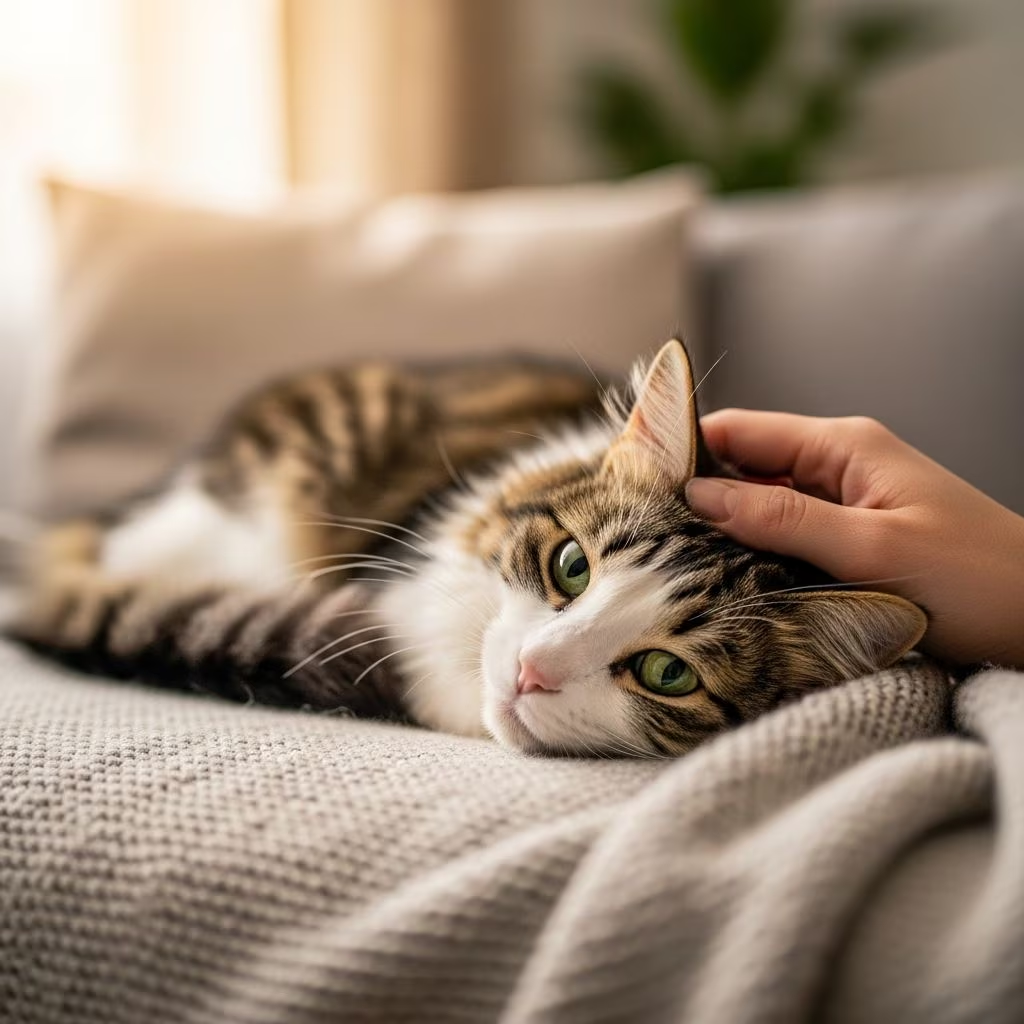
Cats often experience stress from environmental changes, social conflicts, or health issues, leading to behavioral and physical problems. Recognizing signs early and implementing targeted strategies can significantly improve your cat’s well-being and prevent related diseases like feline idiopathic cystitis or hepatic lipidosis.
Signs Your Cat Is Stressed
Stress in cats manifests subtly, as they mask emotions unlike more expressive species. Common indicators include:
- Behavioral changes: Hiding, reduced play, aggression, excessive vocalization, or attention-seeking.
- Litter box issues: Urinating or defecating outside the box, urine spraying.
- Grooming alterations: Over-grooming leading to hair loss or neglect.
- Appetite shifts: Loss of appetite, risking hepatic lipidosis in overweight cats.
- Physical cues: Flattened ears, dilated pupils, low posture, increased sleep, or hypervigilance.
Acute stress shows immediate reactions like hiding during loud noises, while chronic stress builds subtly, such as personality changes or resource guarding. If multiple signs appear, assess the environment and consult a vet to rule out pain or illness.
Common Causes of Stress in Cats
Cats thrive on routine; disruptions trigger stress responses suppressing immunity and exacerbating conditions like upper respiratory infections or feline interstitial cystitis (FIC). Key triggers include:
- Environmental shifts: Moving, renovations, new pets/people, or relocation.
- Routine changes: Altered feeding/litter schedules or veterinary visits.
- Social factors: Inter-cat conflict, poor human-cat bonds, or new family members like babies.
- Sensory stressors: Loud noises (fireworks, storms), heavy scents, or boredom from barren environments.
- Health-related: Pain (dental, arthritis), illness, or lack of resources like scratching posts.
Individual sensitivity varies; one cat may ignore a trigger that distresses another. Stress hormones like corticotropin-releasing hormone (CRH) mediate responses, including anorexia.
How to Help a Stressed Cat: Top Strategies
Addressing cat stress involves multifaceted approaches: environmental management, behavioral interventions, and professional support. Most cats improve with consistent routines, enrichment, and calming aids.
1. Create a Safe, Predictable Environment
Maintain consistent feeding, cleaning, and interaction schedules to build confidence. Predictability reduces anxiety in routine-loving cats. Provide ample resources: one litter box per cat plus one extra, multiple feeding stations, and vertical spaces like cat trees for territory security. Minimize changes gradually; for introductions, use desensitization.
2. Environmental Enrichment
A barren environment heightens stress; enrich with:
- Hiding spots, shelves, and window perches for security.
- Scratching posts and interactive toys mimicking hunting (wand toys, lasers).
- Puzzle feeders for mental stimulation, preventing boredom.
These allow natural behaviors, reducing conflict and improving welfare.
3. Pheromone Products and Calming Aids
Synthetic feline facial pheromones (e.g., Feliway) mimic calming signals, aiding habituation to new environments, reducing spraying, and easing travel. Use diffusers for ongoing stress, sprays for spots, or collars/treats. Alpha-casozepine supplements act as GABA agonists for anxiety relief; lavender aromatherapy shows calming effects, though more research is needed.
4. Play Therapy and Exercise
Daily play redirects energy, simulates hunting, and strengthens bonds. Aim for 15-30 minutes of interactive sessions using toys that engage predatory instincts. This combats boredom, especially for indoor cats.
5. Dietary and Nutritional Support
Stress affects eating; offer high-quality, palatable food in puzzle feeders. Supplements like L-tryptophan or omega-3s may help, but consult a vet. Avoid sudden diet changes.
6. Veterinary Interventions
Rule out medical causes with exams, bloodwork, or diagnostics. Options include anti-anxiety meds (e.g., antidepressants taking weeks to work), appetite stimulants like benzodiazepines for anorexia, or behavior consults. Long-term management (4-6+ months) combines meds, behavior mod, and environment tweaks.
Stress-Related Health Issues in Cats
Unchecked stress weakens immunity, reactivating viruses like feline herpesvirus (5x higher risk) or causing FIC via bladder permeability changes. Other risks:
- Hepatic lipidosis: Fatal fat buildup from anorexia; urgent for non-eaters >3-4 days.
- Urinary/GI problems: Cystitis, diarrhea.
- Skin/digestive decline: Over-grooming, general malaise.
Males blocking urination need emergency care.
When to See a Vet for Cat Stress
Seek help if signs persist >1-2 weeks, include appetite loss, aggression, or elimination issues. Vets assess for pain/illness and tailor plans. Early intervention prevents progression.
Preventing Stress in Cats
Proactive steps:
- Socialize kittens early.
- Provide multi-cat resources.
- Use Fear Free techniques for vet visits.
- Monitor for triggers and enrich routinely.
Balanced temperament from good breeding/husbandry aids resilience.
Frequently Asked Questions (FAQs)
Can stress cause illness in cats?
Yes, stress suppresses immunity, triggering infections, FIC, or hepatic lipidosis.
How long does it take for cat anxiety meds to work?
Antidepressants take weeks; combine with behavior mod for best results, often long-term.
Are pheromone diffusers safe for cats?
Yes, Feliway is vet-recommended for stress reduction without side effects.
What if my cat hides a lot?
Check for triggers; enrich environment and use calming aids. Vet if persistent.
Is play enough to reduce cat stress?
It’s key for energy release but pair with other strategies like routines.
This guide equips you to support your cat’s mental health. Consistent application yields calmer, healthier felines.
References
- Managing Stress in Cats: Tips for a Calmer Kitty — Town N Country Veterinary Services. 2025-06-11. https://towncountryvet.com/2025/06/11/stress-in-cats-hastings-mn/
- Stress in owned cats: behavioural changes and welfare implications — PMC/NCBI. 2024. https://pmc.ncbi.nlm.nih.gov/articles/PMC10816390/
- Stress: The Silent Feline Health Threat — Urgent Pet Care Omaha. Accessed 2026. https://urgentpetcareomaha.com/stress-the-silent-feline-health-threat/
- Stress in cats — International Cat Care. Accessed 2026. https://icatcare.org/articles/stress-in-cats
- The Ultimate Guide to Cat Anxiety — PetMD. Accessed 2026. https://www.petmd.com/cat/conditions/behavioral/c_ct_fear_phobia_anxiety
- Stress in Cats: Causes, Symptoms, & How to Help — Cats.com. Accessed 2026. https://cats.com/stress-in-cats



