

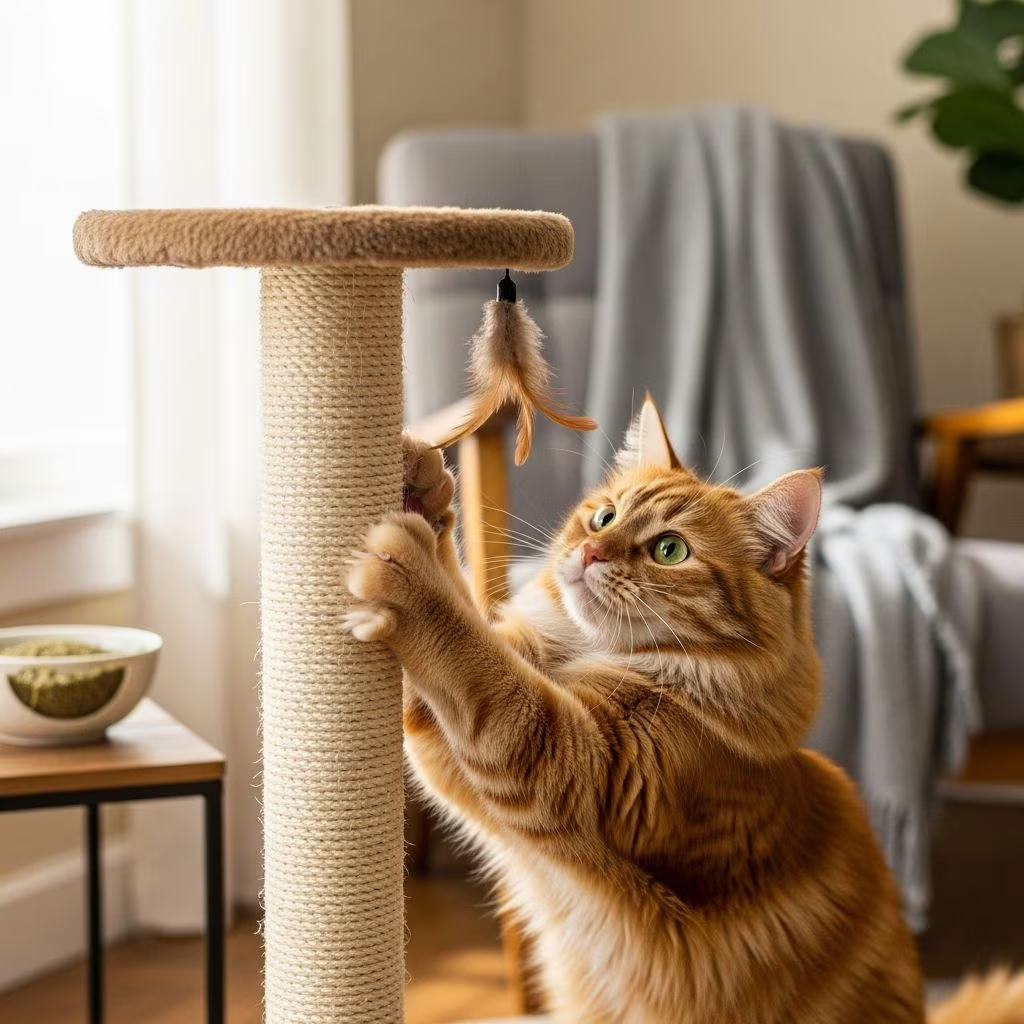
Cats naturally scratch to maintain their claws, mark territory, and stretch muscles, but directing this instinct to a scratching post protects your furniture. Effective training relies on selecting the right post, strategic placement, and positive reinforcement rather than punishment.
Why Do Cats Scratch?
Scratching serves multiple purposes for cats: it removes dead claw layers, marks territory with scent glands in their paws, stretches shoulder and leg muscles, and signals comfort in their environment. Cats often scratch upon waking or after naps, making areas near sleeping spots ideal for posts. Failure to provide appealing alternatives leads to furniture damage.
Choosing the Right Scratching Post
Select a sturdy, tall post allowing full-body stretches—typically 32-40 inches for adults. Cats prefer sisal rope or fabric over carpet, as it mimics natural textures without shredding easily. Avoid wobbly or short posts, which cats ignore. Experiment with shapes: vertical posts, horizontal pads, or cardboard scratchers. Multi-level cat trees with integrated posts appeal to playful cats.
- **Sisal-covered posts**: Durable and textured for effective claw shedding.
- **Cardboard scratchers**: Affordable, disposable, and popular for lounging.
- **Horizontal options**: Ideal for cats preferring floor-level scratching.
Strategic Placement Tips
Position posts where your cat already scratches, such as near furniture, beds, or nap areas. Place one by the litter box or sleeping spots, as cats scratch post-activity. For multi-cat homes, use multiple posts to reduce competition. Gradually relocate by inches daily once usage is consistent.
Pro Tip: If carpet scratching occurs, position a post directly over the spot temporarily.
Attract with Catnip and Toys
Sprinkle catnip, silver vine, or valerian root on the post to entice investigation. About 70-80% of cats respond to catnip; alternatives work for non-responders. Dangle wand toys near or on the post to encourage paw contact and scratching during play. Lay the post sideways initially for hesitant cats.
Positive Reinforcement with Treats and Praise
Reward sniffing, pawing, and scratching progressively with treats or praise. Place treats atop the post to promote climbing. Use a happy tone: “Good kitty!” while petting. Consistency builds association between the post and positivity.
Gently Discourage Furniture Scratching
Interrupt unwanted scratching with a firm “No” or “Claws!” in a low voice, then redirect to the post with praise upon compliance. Avoid physical punishment or water sprays, which cause stress and worsen behavior. Cover furniture temporarily with plastic or double-sided tape as a deterrent.
Using Pheromone Products
Spray Feliway or similar feline pheromone products on furniture to reduce stress-scratching while applying to posts for appeal. This mimics calming facial scents cats deposit when content.
Training Kittens vs. Adults
Start with kittens during weaning, when scratching emerges—it’s easier and faster. Adults require patience and persistence, especially if furniture habits are ingrained. Never force paws on the post, as it creates aversion.
Multiple Cats: More Posts Needed
In multi-cat households, provide one post per cat plus extras in high-traffic areas. Encourage group play around posts with tossed toys to foster shared use.
Common Mistakes to Avoid
Punishment backfires, increasing stress and issues like litter box avoidance. Declawing is inhumane and illegal in many areas, removing natural behavior without solving instincts. Insufficient posts or poor quality leads to failure.
| Mistake | Why It Fails | Better Alternative |
|---|---|---|
| Punishing scratching | Causes fear/stress | Positive redirection |
| One post for many cats | Competition | Multiple posts |
| Forcing paws on post | Creates aversion | Enticements like catnip |
| Choosing wobbly post | Cats avoid instability | Sturdy, tall models |
Advanced Techniques
Combine methods: catnip + toys + treats for rapid adoption. Monitor progress weekly; adjust based on preferences. For persistent cases, consult a vet to rule out medical issues like anxiety.
Frequently Asked Questions (FAQs)
What if my cat ignores the scratching post?
Try different materials, relocate to preferred spots, and use stronger attractants like silver vine. Patience is key—most cats adapt within weeks.
Can older cats learn to use scratching posts?
Yes, though it takes longer than with kittens. Persistence with positive methods succeeds.
Is catnip safe for all cats?
Most tolerate it well, but non-responders (20-30%) benefit from silver vine or valerian.
How many scratching posts do I need?
One per cat plus one, placed strategically.
What if my cat still scratches furniture?
Combine redirection, deterrents, and pheromones. Avoid punishment.
Implementing these strategies ensures your cat redirects natural scratching instincts effectively, preserving harmony in your home. Consistency yields results in days to weeks.
References
- How to Train Your Cat or Kitten to Use a Scratching Post — PurrfectPost.com. Accessed 2026. https://www.purrfectpost.com/how-to-train-your-cat-or-kitten-to-use-a-scratching-post/
- Scratching Post Training — Partnership for Animal Welfare. Accessed 2026. https://paw-rescue.org/scratching-post-training/
- Scratching Post Training — Class Act Cats. Accessed 2026. https://classactcats.com/blog/scratching-post-training/
- How to Train a Cat to Scratch a Post — eHowPets (YouTube). 2015-05-26. https://www.youtube.com/watch?v=3JCgWGlxv4E
- 5 Ways to Get Cats to Use Scratchers Not Furniture — Americat Company. Accessed 2026. https://americatcompany.com/blogs/news/5ways-to-get-your-cat-to-use-a-scratching-pad



