

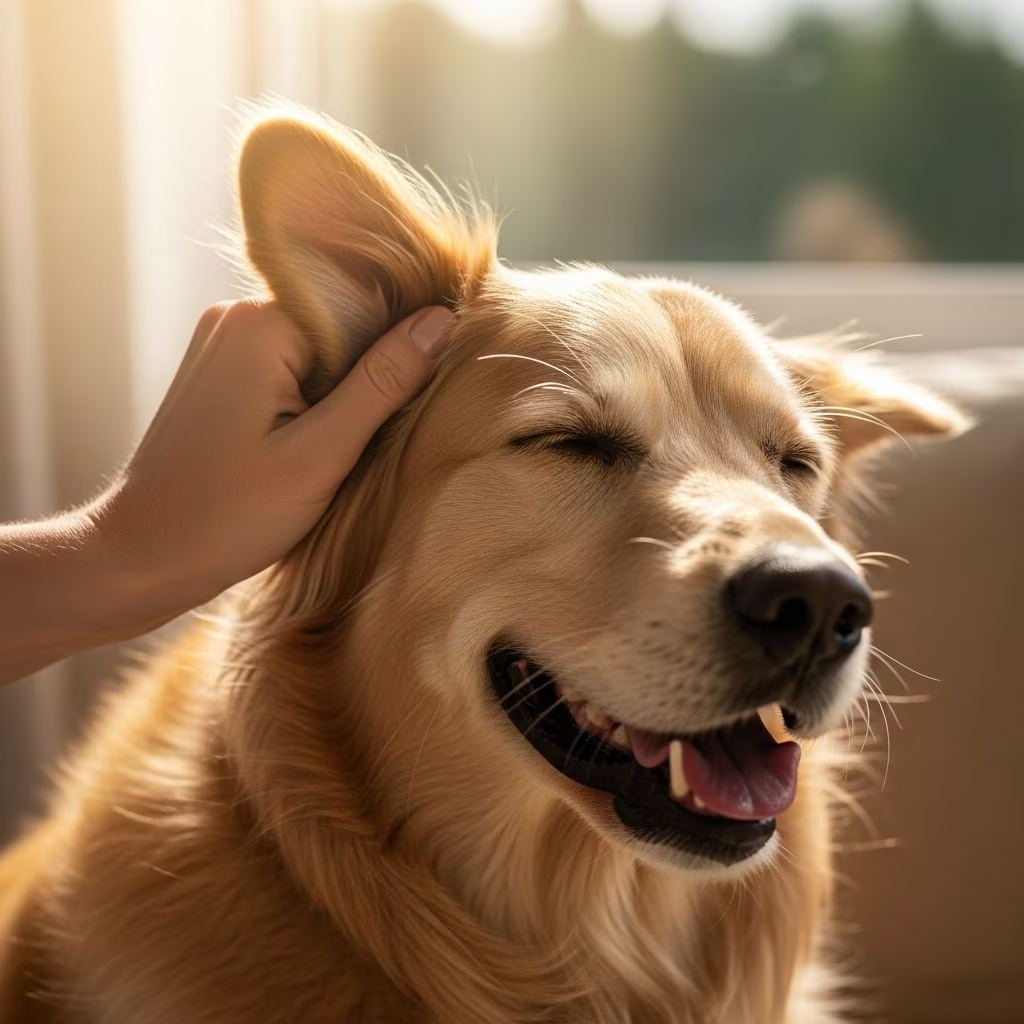
Your dog looks to you for companionship, security, and joy. Expressing love in ways they comprehend deepens this vital connection, fostering mutual trust and happiness. This guide explores practical strategies rooted in canine behavior science to help you communicate affection effectively.
Mastering Canine Communication Basics
Dogs rely on non-verbal cues rather than words to convey and receive emotions. Understanding their body language allows you to respond appropriately, reinforcing positive interactions. For instance, a relaxed body with soft eyes signals contentment, while stiff postures indicate discomfort.
Key signals of affection from dogs include gentle tail wags, leaning against you, and sustained soft eye contact, which triggers oxytocin release similar to human bonding hormones. Reciprocate by mirroring these calm behaviors to build rapport.
Physical Touch That Speaks Volumes
Touch is a primary love language for dogs, but it must align with their comfort zones. Start with areas like the chest or under the chin, avoiding sensitive spots like paws unless invited.
- Calm Petting: Use slow, deliberate strokes along the back to promote relaxation. This mimics pack grooming, signaling safety.
- Belly Rubs: Only when they roll over voluntarily, exposing their vulnerable underside as a trust gesture.
- Leaning Responses: When your dog presses into you, gently reciprocate with a hand on their side to affirm the bond.
Observe their reactions: a loose, wiggly body means enjoyment; lip licking or turning away suggests overload. Adjust accordingly to keep interactions positive.
Eye Contact and Gaze Techniques
Soft, lingering eye contact releases oxytocin in both dogs and humans, strengthening emotional ties. Avoid staring intensely, which can feel threatening; instead, blink slowly to convey calmness.
Practice during quiet moments: sit at their level, maintain a gentle gaze for a few seconds, then look away. Pair with soothing words or treats to associate it with positivity. Over time, this deepens mutual understanding and affection.
Playtime as a Bonding Ritual
Interactive play fulfills your dog’s natural curiosity and energy needs while showing you value their company. Engage in short, focused sessions daily.
End play before exhaustion to prevent overstimulation. This teaches boundaries and ends on a high note, associating you with fun.
Training Through Positive Reinforcement
Teaching commands isn’t just obedience—it’s a way to show investment in their world. Use treats, praise, and play as rewards to link learning with love.
- Basic Cues: “Sit,” “stay,” and “come” build security, proving you’re a reliable leader.
- Redirect Energy: For jumping or barking, guide to a “place” command, rewarding calm.
- Trick Training: Fun skills like “spin” or “paw” create shared joy and mental enrichment.
Consistency is key; short sessions prevent frustration. Celebrate successes lavishly to make them feel accomplished and adored.
Quality Time and Routine Rituals
Dogs thrive on predictability. Establish daily rituals that prioritize presence over presents.
Morning walks signal the day’s start together. Evening cuddles provide closure. Even brief check-ins during your routine reassure them of your attachment, reducing separation anxiety linked to panic systems.
Follow them without intrusion during low-key activities, mirroring their pack-following instinct. This subtle availability speaks louder than grand gestures.
Providing for Their Needs Thoughtfully
Love manifests in meeting physical and emotional requirements proactively. A balanced diet, regular vet visits, and safe enrichment show deep care.
- Exercise: Tailor to breed—high-energy dogs need 60+ minutes daily; others enjoy gentle strolls.
- Rest Spaces: Offer cozy crates or beds mimicking dens for security.
- Grooming: Regular brushing distributes oils and feels like affectionate grooming.
Monitor for stress: tucked tails or avoidance mean adjustments needed. Attentive care proves you’re their protector.
Understanding Stress and Redirecting It
Recognizing discomfort prevents misunderstandings. Fear cues like cowering or yawning require space, not force. Panic from isolation calls for gradual alone-time training.
Counter with calm energy: lower your voice, move slowly. This teaches them you’re a safe haven, amplifying love’s impact.
Common Missteps to Avoid
Well-intentioned actions can confuse dogs. Hugging restrains movement, mimicking threats. Punishing mishaps erodes trust—instead, prevent issues proactively.
Over-excitement from rough play needs channeling into structured games. Balance affection with leadership for harmony.
FAQs
How do I know if my dog feels loved?
Look for relaxed wags, leaning, belly exposure, and following you—clear trust signs.
Can I spoil my dog with too much love?
Balance indulgence with structure; excess without boundaries leads to anxiety or poor behavior.
What’s the best daily way to bond?
A consistent walk or play session combined with calm pets works wonders for most dogs.
Do all dogs show love the same way?
No—breed, past experiences, and personality influence expressions, but core signals like eye contact are universal.
How does training show love?
It equips them for a safe, confident life, proving your commitment to their well-being.
Building a Lifelong Bond
Consistent, attuned interactions transform companionship into profound partnership. By speaking their language—through touch, play, and empathy—you ensure they feel cherished every day. Observe, adapt, and enjoy the rewards of a joyful dog.
References
- Does Your Dog Understand “I Love You”? How to Read Their Body Language — Grassroots K9. 2023. https://www.grassrootsk9.com/post/does-your-dog-understand-i-love-you-how-to-read-their-body-language
- 17 Weird and Wonderful Ways Your Dog Says They Love You — Hallie Hill Sanctuary. 2022. https://www.halliehill.com/17-weird-and-wonderful-ways-your-dog-says-they-love-you/
- Does My Dog Love Me? 9 Ways To Tell — PetMD (Veterinary Partner). 2024. https://www.petmd.com/dog/general-health/does-my-dog-love-me
- Understanding Your Dog’s Body Language: A Guide To Canine Communication — Texas A&M University (Academic .edu). 2025-03-13. https://stories.tamu.edu/news/2025/03/13/understanding-your-dogs-body-language-a-guide-to-canine-communication/
- Love languages: Understanding how your pet communicates — Virginia Tech Veterinary Medicine (.edu). 2023. https://vth.vetmed.vt.edu/animal-care-tips/pet-communication.html
- The Secret Language of Dogs — NOCO Humane. 2024. https://www.nocohumane.org/blog/the-secret-language-of-dogs/



