

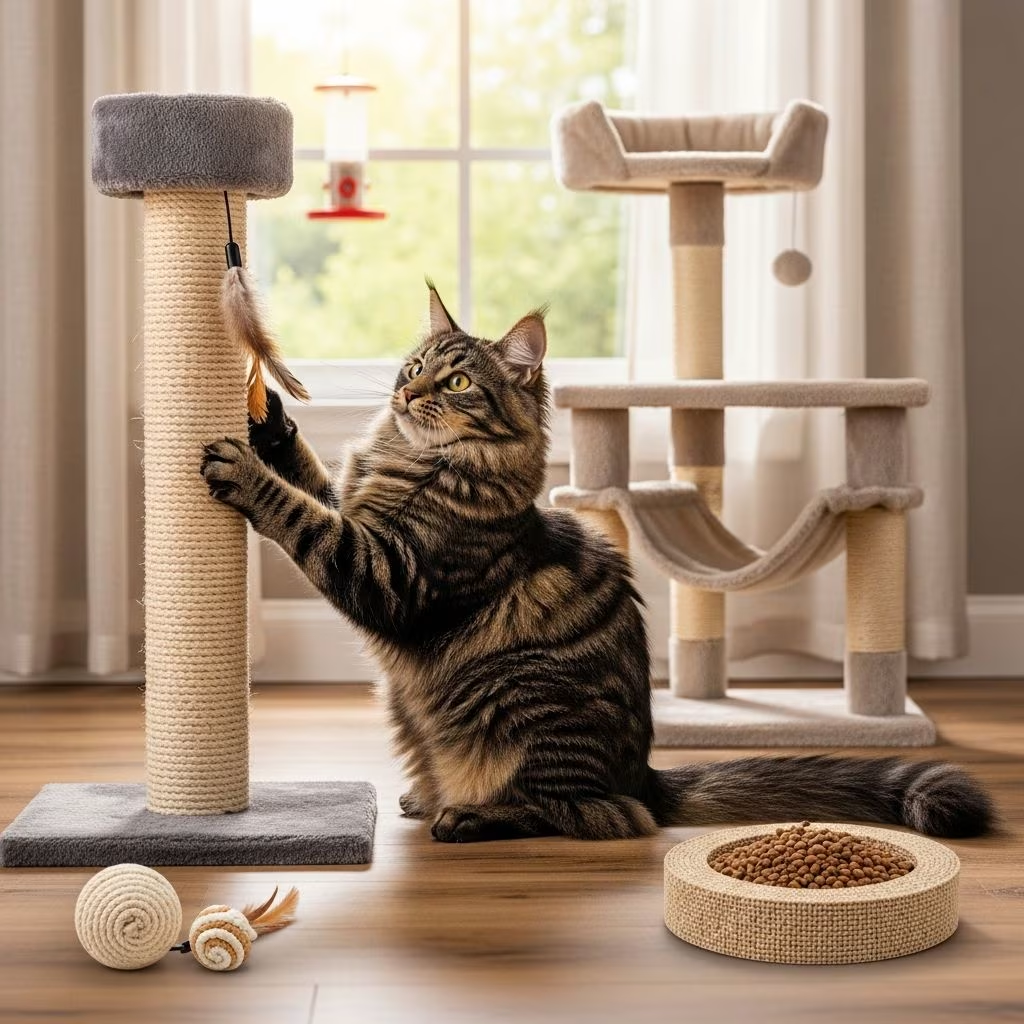
As devoted cat owners, we go beyond basic care like grooming, feeding, and vet visits. Providing ample petting and cheek scratches is essential, but ensuring our cats receive proper physical and mental exercise is paramount for their overall happiness and health. This practice, known as enrichment, keeps felines entertained, reduces behavioral issues, and ultimately simplifies life for both you and your cat.
Enrichment mimics natural behaviors such as hunting, scratching, climbing, and exploring, which are vital for indoor cats who lack outdoor stimulation. By implementing these strategies, you promote better physical fitness, sharper cognitive function, and lower stress levels. Below, we outline 14 vet-reviewed ways to enrich your cat’s life, drawing from expert insights on feline behavior and welfare.
The 14 Ways to Enrich a Cat’s Life
1. Load Up On Boxes
Cats have an innate fascination with boxes, offering endless opportunities for hiding, ambushing, and playing. Iconic examples like the Japanese cat Maru demonstrate how boxes ignite curiosity and predatory instincts. While stacks of boxes may not enhance home décor, they provide low-cost, high-impact enrichment.
Start by collecting various sizes from recycling or online orders. Arrange them into forts or tunnels, refreshing setups weekly to maintain novelty. This activity satisfies exploratory urges, reduces boredom, and encourages physical activity through jumping and squeezing.
2. Invest in More Scratchers
Scratching is a natural, unavoidable behavior for cats, essential for claw maintenance, territory marking, and stress relief. Cats ignore furniture preferences, so providing ample options prevents damage to your belongings.
Offer variety: vertical posts for stretching, horizontal mats for lounging scratches, and materials like sisal rope, cardboard, or corrugated plastic. Place scratchers in high-traffic areas and near problem spots. Entice use with catnip or toys initially. Multiple scratchers cater to different moods and promote healthy nail shedding.
3. Try Taking Your Cat for a Walk
Indoor cats miss outdoor stimulation, but harness walks offer safe exploration. Invest in cat-specific harnesses and leashes for secure fit—avoid dog gear due to escape risks.
Acclimate gradually: introduce indoors first, then short outdoor sessions in quiet areas. Walks become meandering adventures, stimulating senses with scents, sights, and sounds. This boosts exercise, socialization, and mental acuity while preventing obesity.
4. Ensure That They Have Window Access
Windows serve as free entertainment hubs, allowing cats to observe birds, squirrels, and passersby—triggering hunting instincts without effort.
Position cat trees or suction-cup perches for prime viewing. Enhance with nearby bird feeders (safely outside screens). In mild weather, open screened windows for fresh air sniffing. This passive activity provides hours of mental stimulation and ideal napping spots.
5. Provide Vertical Space
Cats are vertical explorers by nature, loving to climb and perch high for security and oversight. Cat trees, shelves, or wall-mounted ledges expand usable space.
Install multi-level trees in living areas and custom shelving systems for agile climbers. Vertical access reduces territorial conflicts in multi-cat homes and offers safe vantage points. Combine with window perches for dual benefits.
6. Create Safe Outdoor Spaces
For risk-averse owners, enclosed patios or catios (cat patios) provide outdoor access without dangers like traffic or predators.
Build or buy screened enclosures with platforms, tunnels, and plants. Supervised time here allows grass nibbling, sunbathing, and insect watching, fulfilling adventure needs safely.
7. Try Food Puzzles
Food puzzles tap into foraging instincts, turning meals into brain games. Treat balls, activity boards, and lick mats dispense rewards after effort.
- Treat-dispensing balls: Roll to release kibble, encouraging chasing.
- Activity boards: Multiple challenges for puzzle-solving.
- Lick mats: Spread lickable treats like Churu for prolonged engagement.
These slow eating, prevent gulping, aid digestion, and provide mental workouts, ideal for mealtime enrichment.
8. Offer Regular Exercise
Indoor cats need structured activity to combat lethargy. Wand toys, laser pointers, and chase games mimic hunting.
Daily 15-20 minute sessions engage pouncing and sprinting. Cat wheels offer self-directed cardio, though acceptance varies. Combine with walks for comprehensive fitness.
9. Introduce New Toys
Novelty combats habituation; rotate toys monthly to sustain interest. Stock interactive (springs, crinkle balls) and solo-play options.
- Solo toys: Balls, mice for batting.
- Interactive: Feathers, strings for joint play.
- Treat dispensers: For alone time.
Fresh toys stimulate hunting and prevent boredom-induced mischief.
10. Provide Stimulation Through Toys
Beyond exercise, toys fulfill instincts. Soft mice replicate prey; tunnels invite stalking.
Interactive dispensers challenge intelligent cats, reducing separation anxiety. Safety first: remove strings, eyes to avoid choking.
11. Set Up Play Areas
Dedicated zones with toys, tunnels, and boxes create adventure hubs. Rotate elements for excitement.
12. Play Hide-and-Seek
Hide treats or toys under blankets/cups, encouraging sniffing and pouncing. Enhances scent detection and hunting skills.
13. Teach Your Cat Tricks
Clicker training builds bonds and brains. Pair click with treats; teach sit, high-five, or jumps.
Start simple; sessions short and positive. Boosts confidence, mental sharpness.
14. Spend Quality Time With Them
Nothing replaces companionship. Brush, play, or cuddle daily. Read body language for needs.
Grooming bonds; lap time comforts. Mutual stress relief.
Frequently Asked Questions (FAQs)
What is cat enrichment?
Enrichment provides physical, mental, and sensory stimulation mimicking wild behaviors, preventing boredom and health issues.
How often should I play with my cat?
At least 15-20 minutes twice daily, plus independent activities.
Can all cats learn tricks?
Many can with patience and positive reinforcement; motivation varies.
Why do cats love boxes?
Boxes offer security, camouflage for hunting, and temperature regulation.
Is walking cats safe?
Yes, with proper harness training and supervision.
Wrapping Up
Enrichment is vital: scratchers, trees, windows, toys, puzzles, exercise, training, and time together ensure thriving cats. Observe cues for tailored care—play, pets, or naps. These steps foster healthier, happier felines.
References
- 14 Vet-Reviewed Ways to Enrich a Cat’s Life — Catster. 2023. https://www.catster.com/lifestyle/ways-to-help-cats-and-make-a-difference/
- Cat Life Stages Explained (Plus 12 Vet-Approved Tips) — Catster. 2023. https://www.catster.com/cat-health-care/cat-life-stages/
- How to Train Your Cat: Vet-Approved Cat Training Guide — Catster. 2023. https://www.catster.com/cat-health-care/how-to-train-your-cat/



