

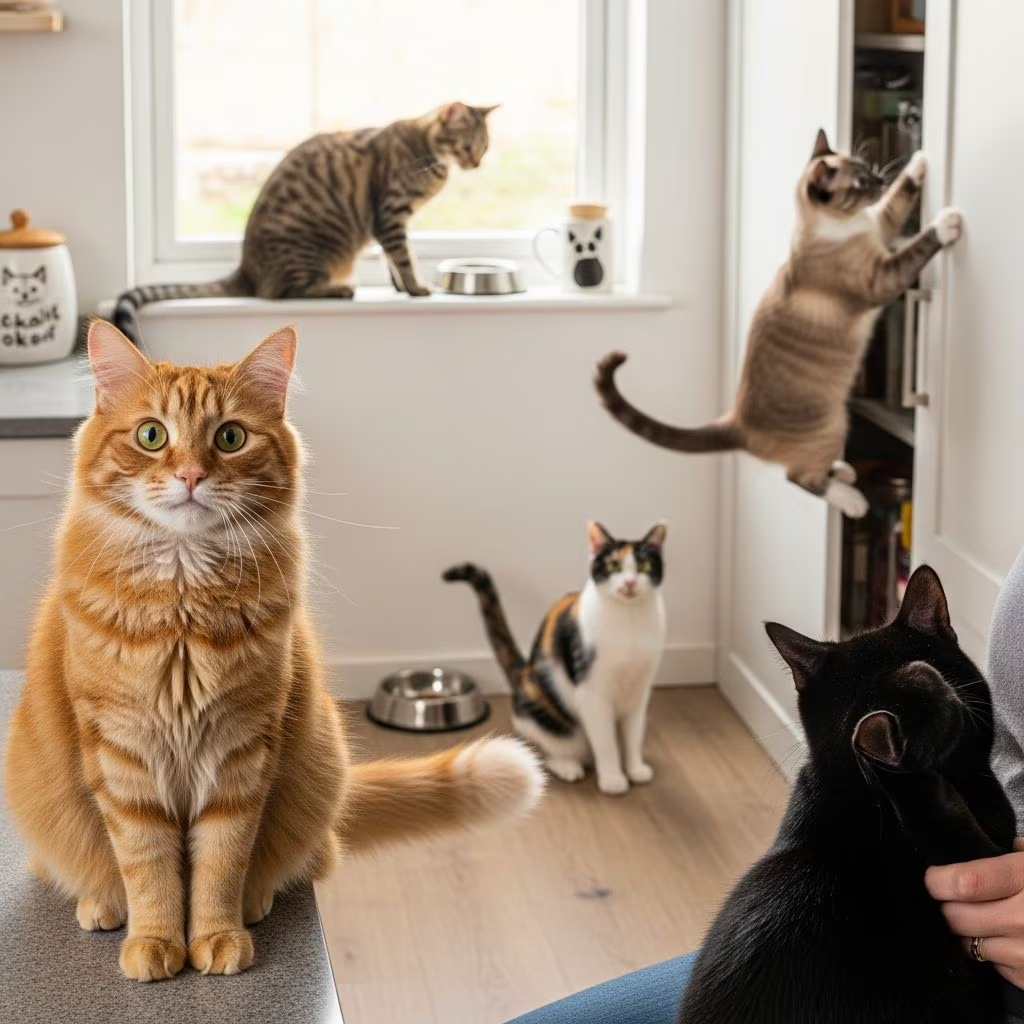
Every cat owner knows the drill: as the clock ticks toward feeding time, your furry companion transforms into a master communicator. From subtle nudges to full-blown symphonies of meows, cats have an arsenal of tactics to remind you it’s dinner o’clock. These behaviors stem from their natural instincts as opportunistic hunters who, in the wild, eat small meals frequently throughout the day. In our homes, this translates to persistent signals that can be both endearing and exasperating. Understanding these cues not only strengthens the cat-owner bond but also helps prevent overfeeding or behavioral issues like food aggression.
Domestic cats often deviate from their wild counterparts, consuming larger meals once or twice daily rather than 8-16 small ones, which can amplify hunger signals as mealtimes approach. This article dives into the most common ways cats announce their hunger, drawing from real-life observations and veterinary insights. Whether it’s your cat’s signature yowl or countertop counter-surfing, recognizing these signs ensures timely feeding while promoting healthy habits.
The Classic Meow Symphony
No cat hunger cue list is complete without the iconic meow. As feeding time nears, many cats ramp up vocalizations, escalating from soft chirps to demanding yowls that echo through the house. This isn’t random noise; it’s a learned behavior reinforced over time. Cats on restricted diets show increased meowing, following owners, and affectionate lap-sitting to solicit food. Studies on laboratory cats reveal anticipatory behaviors like pacing and purring intensify right before meals, becoming associated with food delivery.
In multi-cat homes, the meow chorus can turn competitive, with felines vocalizing louder to outdo each other. Owners often misinterpret this as pure hunger, leading to extra treats and potential weight gain. To manage it, establish a strict schedule—cats thrive on routine, reducing random begging. A break in these habits might signal illness, making consistent observation key.
- Loud, persistent meowing starting 30 minutes before scheduled meals.
- Purring combined with leg-rubbing for added persuasion.
- Escalation to ‘extinction bursts’—intensified yowling—if demands are ignored initially.
Rubbing and Weaving: The Affectionate Assault
One of the most tactile signals is rubbing against your legs, especially in the kitchen. This weaving dance serves dual purposes: marking you with their scent glands and guiding you toward the food bowl. Cats addicted to food often exhibit this rubbing as over-excitement builds. It’s a greeting mixed with hunger drive, but rewarding it with food reinforces the cycle.
Picture this: you’re chopping vegetables, and suddenly, a furry figure-eight forms around your ankles, nearly tripping you. This behavior spikes near mealtimes, with cats idling in feeding areas between meals. VCA Hospitals notes that scheduled feeding conditions cats to expect meals, curbing constant kitchen loitering. Positive reinforcement—petting without food—redirects this into bonding rather than begging.
- Rubbing intensifies with multiple cats competing for attention.
- Often paired with tail-flicking if food is less preferred.
- Solution: Feed in separate areas to reduce resource guarding.
Countertop Capers and Food Theft
Daring leaps onto counters and sniffing your plate scream ‘mealtime’ louder than words. Cats displaying over-interest in human food—jumping to steal bites or breaking into bags—show classic food addiction signs. This stems from their carnivorous nature and opportunistic hunting, where they’d snag prey anytime.
PetMD highlights how cats swat or spill food mimicking predation, but persistent counter-surfing indicates boredom or stress eating. In homes with free-feeding, this escalates as cats overeat when available. To counter it, store food securely and use puzzles for mental stimulation, mimicking natural foraging.
| Behavior | Why It Happens | Management Tip |
|---|---|---|
| Counter jumping | Hunting instinct + scent attraction | Secure storage; scheduled meals |
| Bag raiding | Food addiction; easy access | Locked cabinets; puzzle feeders |
| Plate sniffing | Interest in novel smells | No table scraps; designated spots |
Aggression and Guarding: When Hunger Turns Fierce
Food aggression manifests as hissing, swatting, or close-guarding the bowl, especially with other pets. Signs include biting during meals, growling, or puffing up—territorial displays rooted in survival instincts. Parasites, diabetes, or thyroid issues can exacerbate this, mimicking constant hunger.
Bluffs Pet Clinic explains possessiveness leads to stealing food or persistent begging. In meal-fed cats, aggression rises without ad libitum access. Handle with positive training: reward calm behavior, ignore aggression, and use separate feeding zones. VCA stresses twice-daily meals suit their stomach emptying cycle (8-10 hours), preventing extreme hunger.
- Aggressiveness spikes in multi-pet homes.
- Warning signs: ear flicking backward, tail thrashing.
- Pro tip: Feed largest meal post-exercise to curb night antics.
Over-Excitement and Impatience Rituals
Zoomies around the bowl, impatient pawing, or knocking items off shelves signal peak excitement. Cats flick tails or groom excessively with unpalatable food, but preferred kibble elicits lip-licking joy. Boredom drives some to play with food, batting it like prey.
Hill’s Pet Nutrition differentiates cat feeding: strict carnivores eating 10+ small meals vs. dogs’ omnivorous larger ones. Free-feeding risks obesity, so measured portions at set times build routine. For kittens, avoid ad libitum to prevent binge-eating and health woes.
Begging Beyond Meals: The Non-Stop Pleas
Post-meal meowing or treat demands indicate poor self-regulation. Stress or illness prompts overeating; owners yielding reinforces it. Cats on puzzles self-feed overnight, reducing night begging.
PMC research shows routine feeding cuts random solicitation, though anticipatory bursts occur pre-meal. Reward quiet waiting with food to train patience.
Understanding Natural Feline Feeding Patterns
Cats naturally forage 8-16 meals daily, but homes shift to 1-3 larger ones. This mismatch fuels strong signals. Enrich with puzzles for mental health. Obesity links to free-feeding plus factors like neutering.
| Wild Cat Pattern | Domestic Adaptation | Impact on Behavior |
|---|---|---|
| 10+ small meals | 2 meals/day | Increased begging, aggression |
| Hunt anytime | Scheduled feeds | Anticipatory excitement |
| Solitary eating | Multi-cat competition | Guarding, vocalization |
Tips for Harmonious Mealtimes
- Set a schedule: 2-3 meals daily aligns with digestion.
- Use puzzles: Encourages foraging, cuts boredom.
- Separate spaces: Reduces aggression.
- Monitor health: Sudden changes warrant vet visit.
- No free-feeding: Prevents obesity, trains manners.
Frequently Asked Questions (FAQs)
Why does my cat meow constantly before meals?
Cats exhibit anticipatory behaviors like meowing as feeding time approaches, reinforced by past rewards. Scheduled meals reduce this over time.
Is food aggression normal in cats?
It’s common but manageable with training, separate feeding, and vet checks for underlying issues like hyperthyroidism.
How often should I feed my adult cat?
Twice daily is ideal, matching their 8-10 hour stomach cycle, aiding portion control and routine.
Why does my cat jump on counters at mealtime?
Opportunistic hunting drives interest in food smells; secure storage and routines help.
Can puzzles stop begging?
Yes, they mimic natural foraging, providing mental stimulation and spreading intake.
By decoding these mealtime messages, you’ll foster a healthier, happier cat. Consistent routines turn chaos into harmony, ensuring your feline’s instincts are met without excess.
References
- 10 Signs that Your Cat is Addicted to Food and 5 Recommendations — Four Paws. 2023. https://fourpaws.org/10-signs-that-your-cat-is-addicted-to-food-and-5-recommendations-to-break-the-cycle/
- The Many Explanations Of Food Aggression in Cats — Bluffs Pet Clinic. 2024. https://www.bluffspetclinic.com/blog/the-many-explanations-of-food-aggression-in-cats/
- Feeding Cats for Optimal Mental and Behavioral Well-Being — PMC (NCBI). 2020-07-29. https://pmc.ncbi.nlm.nih.gov/articles/PMC7415653/
- 5 Strange Cat Eating Habits — PetMD. 2023. https://www.petmd.com/cat/general-health/strange-cat-eating-habits
- Feeding Times and Frequency for Your Cat — VCA Animal Hospitals. 2024. https://vcahospitals.com/know-your-pet/feeding-times-and-frequency-for-cats
- Cat’s Natural Feeding Behavior — Hill’s Pet Nutrition. 2023. https://www.hillspet.com/cat-care/behavior-appearance/cat-feeding-behavior



