

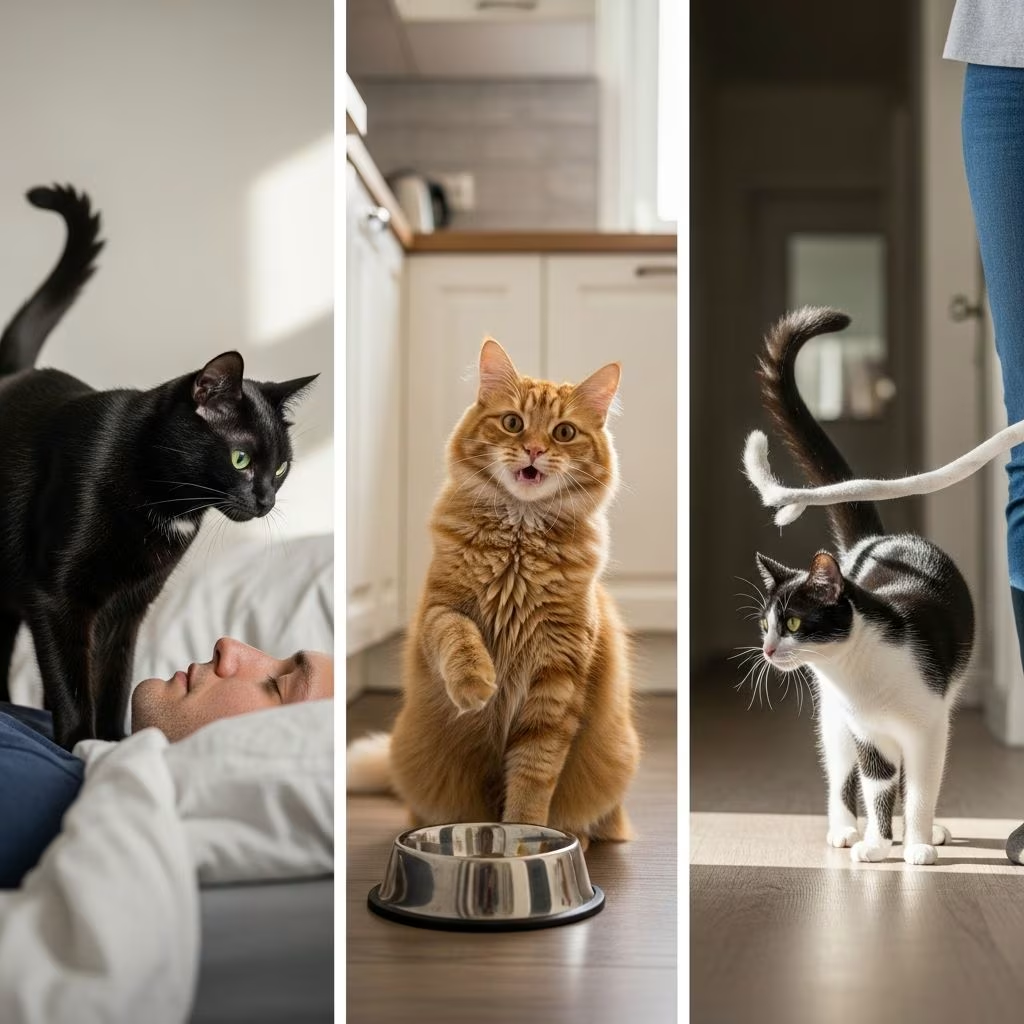
Every cat owner knows that moment when their feline companion transforms into a hunger-driven alarm clock. Long before the scheduled feeding time, my cats start their symphony of signals, ensuring I don’t miss the cue. These behaviors aren’t just cute; they’re rooted in their instincts as opportunistic hunters. Understanding these signs helps strengthen the bond with your pet and ensures they’re fed properly. In this article, we’ll explore the most common ways cats announce mealtime, backed by expert observations on feline behavior.
The Clockwork Stare: Sitting by the Empty Bowl
One of the earliest and most subtle signs is when your cat parks herself right next to the empty food bowl, staring intently as if willing it to fill itself. This behavior stems from their internal clock, which anticipates routine feeding times with remarkable accuracy. Cats thrive on predictability, and even a minute early, they’ll position themselves strategically in the kitchen.
For rescued cats or those on weight management diets, this stare intensifies. They may sit there meowing softly as a reminder every time you enter the room. According to wellness experts, this is a comfort-seeking routine, but it can signal anxiety if the cat has a history of food scarcity. Ensure your cat’s environment is calm to prevent stress-related over-vigilance.
Leg Rubbing and Weaving: The Affectionate Nudge
As mealtime approaches, expect your cat to weave in and out between your legs, rubbing vigorously while you stand in the kitchen. This isn’t just affection; it’s a calculated ploy to guide you toward the food cabinet. The rubbing releases pheromones, marking you as part of their territory and subtly (or not so subtly) directing your actions.
Pet behavior studies note that this escalates in multi-pet homes, where cats become aggressive around bowls if they sense competition. It’s their way of saying, “Human, your job is to feed me now.” If your cat amps up the rubbing while you’re cooking, it might also indicate interest in your food—keep counters clear to avoid counter-surfing mishaps.
Vocal Onslaught: Meowing, Chirping, and Purring Demands
No cat hunger signal is louder than the vocal barrage. What starts as a soft chirp builds into insistent meowing, trilling, or even demanding purrs right in your face. Cats on restricted diets show heightened “affectionate” begging, meowing louder to solicit food. This anticipatory behavior increases activity levels as feeding time nears, reinforced by successful past outcomes.
In my home, one cat’s meow escalates to a near-scream if ignored, while another’s deep purr vibrates through my legs. Research confirms cats vocalize more around mealtime, especially if meals are spaced too far apart—aim for at least two small meals daily to mimic natural eating patterns.
Pawing and Scooping: The Manual Override
Some cats take matters into their paws, literally. They’ll paw at the bowl, scoop food out, or even drag it across the floor. This scooping often happens with deep, narrow bowls that whisker-fatigue their sensitive mustaches. It’s uncomfortable for them to dunk their head in, so they improvise with paws.
Fast eaters or those worried about food scarcity might bury uneaten portions or paw frantically, an instinct to hide food from predators. If your cat noses into another pet’s bowl or eats too quickly, vomiting can follow—consider slow-feeder bowls or puzzle toys to pace them. Veterinary advice stresses checking for medical issues like dental pain if eating is one-sided.
Excited Antics: Running, Jumping, and Counter Surfing
The most energetic signal is pure excitement: zooming to the bowl, jumping onto counters, or batting at food bags. Cats break into dry food stashes or beg relentlessly, showing over-excitement unique to mealtime. This ties to their predatory nature—domestic cats eat small amounts frequently, but free-feeding leads to overeating.
In multi-cat setups, expect competition like nosing others out or eating too fast. Behaviors like tail flicking or ear twitching signal less preferred food, while lip-licking indicates enjoyment. Owners often misread begging as hunger, leading to weight gain.
Table: Common Cat Mealtime Behaviors and What They Mean
| Behavior | Meaning | Possible Solutions |
|---|---|---|
| Sitting by empty bowl | Anticipating routine; possible anxiety | Maintain schedule; reduce stress |
| Leg rubbing/weaving | Guiding you to food; marking territory | Feed promptly; secure counters |
| Loud meowing/purring | Begging; reinforced solicitation | Multiple small meals |
| Paw scooping/burying | Discomfort or instinctual hiding | Wide, shallow bowls; puzzle feeders |
| Running/jumping/counter surfing | High excitement; food addiction signs | Slow feeders; vet check |
| Looking around while eating | Nervousness or competition | Quiet feeding area |
Understanding the Instincts Behind Hunger Cues
Cats’ mealtime behaviors evolved from wild ancestors who hunted small prey multiple times daily. Domestic routines clash with this, leading to signals like fast eating or begging. VCA Hospitals recommend scheduled feedings to monitor intake—a break signals illness. Overfeeding from misinterpreted cues causes obesity, so portion control is key.
Studies show cats on less palatable food exhibit avoidance like tail flicking or grooming distractions, while preferred foods prompt eager lip-licking. In shared homes, hierarchy plays out—dominant cats steal food. Infographics highlight universal enjoyment signs like running to the bowl or lip-licking.
Tips to Manage Excessive Hunger Signals
- Set a strict schedule: Feed 2-3 small meals daily to align with small stomachs.
- Use puzzle feeders: Slows fast eaters and provides mental stimulation.
- Choose right bowls: Wide, shallow to prevent whisker fatigue.
- Vet check first: Rule out medical issues like dental pain or hyperthyroidism.
- Enrich environment: Toys and play reduce boredom eating.
- Monitor multi-pet dynamics: Separate feeding to avoid aggression.
These strategies curb food addiction signs like constant pestering or bag-breaking. Wellness Pet Food advises observing for environmental stressors.
Frequently Asked Questions (FAQs)
Why does my cat meow excessively before mealtime?
Cats use vocalization as anticipatory begging, intensified by routines or restricted diets. Multiple daily meals help.
Is paw scooping normal?
Yes, often due to bowl shape causing whisker discomfort. Switch to wide bowls.
What if my cat eats only when I’m nearby?
This seeks security; ensure a peaceful spot away from pets or disturbances.
Why does my cat bury food or look around while eating?
Instinctual hiding or nervousness from competition/predators. Feed in quiet areas.
How can I stop counter surfing at mealtime?
Secure food, use deterrents, and feed promptly. Boredom fuels this—add play.
Is fast eating a health concern?
Yes, leads to vomiting. Use slow-feeders and check for medical causes.
Recognizing these cues makes you a better pet parent. Next time your cat starts the routine, you’ll know: it’s mealtime!
References
- 10 Signs that Your Cat is Addicted to Food and 5 Recommendations — Four Paws. 2023. https://fourpaws.org/10-signs-that-your-cat-is-addicted-to-food-and-5-recommendations-to-break-the-cycle/
- Deciphering Cat Body Language Around Food — Wellness Pet Food. 2024. https://www.wellnesspetfood.com/blog/deciphering-cat-body-language-around-food/
- [Infographic] Cat and Dog Behaviors Around the Bowl — Appetizer Blog. 2023. https://www.appetizerblog.com/en/infographic-cat-and-dog-behaviors-around-the-bowl-how-pet-owners-decode-the-signs-of-food-enjoyment/
- Feeding Cats for Optimal Mental and Behavioral Well-Being — PMC (Peer-reviewed). 2020-07-28. https://pmc.ncbi.nlm.nih.gov/articles/PMC7415653/
- 5 Strange Cat Eating Habits — PetMD. 2024. https://www.petmd.com/cat/general-health/strange-cat-eating-habits
- Feeding Times and Frequency for Your Cat — VCA Animal Hospitals. 2025. https://vcahospitals.com/know-your-pet/feeding-times-and-frequency-for-cats



