

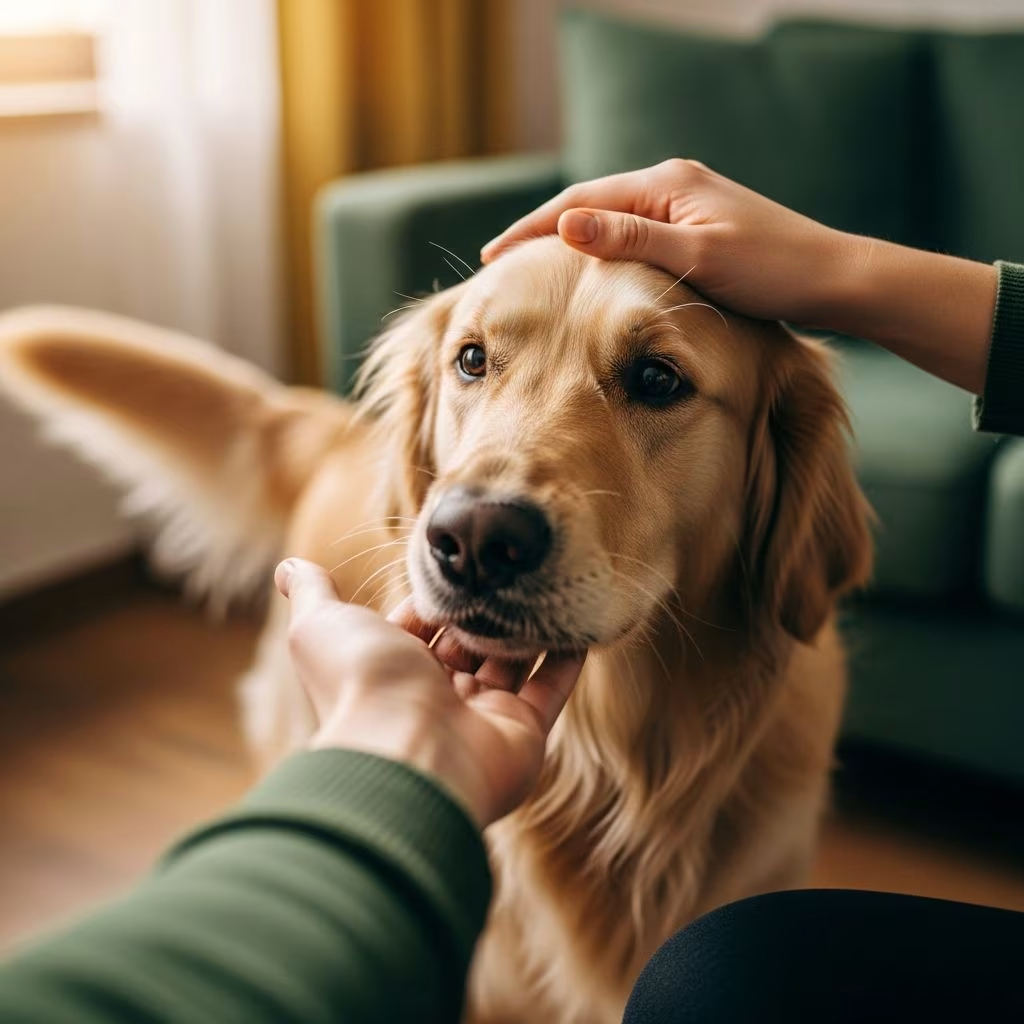
If your dog could talk, they would probably say “thank you” a hundred times a day. Since they do not speak our language, dogs use body language, small habits and daily rituals to show gratitude for the people they love. Understanding those signals helps you bond more deeply, respond to their needs and appreciate just how often your pup is quietly saying, “You mean the world to me.”
This guide walks through common, science-backed ways dogs express thanks, how to tell gratitude from stress or anxiety, and what you can do to say “you are welcome” in a way your dog truly understands.
Why Dogs Say Thank You Differently Than Humans
Dogs evolved alongside humans for thousands of years, and their communication style reflects that shared history. They use body language, scent and social behavior instead of words to build and maintain relationships with us.
- Dogs rely heavily on nonverbal cues such as posture, tail movement, ear position and facial expression to communicate emotion and intent.
- Research shows that dogs can form secure attachment bonds with their caregivers similar to those between human children and parents, which makes their affection and gratitude behaviors especially strong.
- Positive interactions with guardians—gentle handling, play, and consistent care—are linked to better welfare and lower stress levels in dogs, which they often “thank” you for with affiliative (friendly) behaviors.
Because of this, gratitude in dogs is less about a single moment and more about a pattern of safe, relaxed, affectionate behavior around you.
1. The Full-Body Tail Wag
A wagging tail is one of the most recognizable dog behaviors, but not all wags mean the same thing. When your dog is saying thank you, the wag usually involves more than just the tail.
- Grateful wag: loose, sweeping side-to-side movement, often with the hips and back end wiggling along.
- Relaxed posture: body soft, mouth slightly open, ears in a neutral or gently forward position.
- Context: often shows up after you feed them, play, return home, or give them something they enjoy.
In contrast, a stiff, high tail wag can signal arousal or tension, and a low, tucked tail indicates fear. Paying attention to the whole body tells you when that wag is a genuine “thank you” versus “I am not sure about this.”
2. Following You From Room to Room
Many dogs act like your furry shadow, trotting after you whether you are going to the kitchen, the bathroom, or just grabbing something from another room. While it may feel clingy, this is often a quiet form of gratitude.
- Bonding behavior: dogs are social animals that prefer to stay close to valued companions; following you shows they choose your company.
- Safety and trust: your presence predicts comfort, care, food and fun, so your dog sticks close as a way of staying connected.
- Thank you message: “You make me feel safe. I want to be where you are.”
As long as your dog can relax when you leave (no intense distress or destruction), this gentle shadowing is usually a sign of appreciation, not a problem.
3. Leaning Their Weight Against You
Some dogs like to sit with part of their body pressed firmly against your leg or even lean their full weight into you. This can feel like a warm, wordless thank you from your dog.
- Social contact: physical touch is a primary way dogs maintain social bonds, similar to grooming in other species.
- Support and security: leaning can be a way of saying, “I trust you to hold me up” and a sign of emotional closeness.
- Relaxed signs: soft muscles, normal breathing, neutral or gently wagging tail.
If the lean is paired with trembling, panting or attempts to hide, that may indicate fear instead of gratitude; in that case, your dog is asking for comfort rather than saying thanks.
4. Soft Eye Contact and the “Love Blink”
Direct eye contact between dogs can be threatening, but between dogs and humans, it can be an important bonding and gratitude signal.
- Soft eyes: eyelids slightly relaxed, no hard stare or furrowing of the brow.
- Slow blink: your dog looks at you and slowly closes and opens their eyes, often while resting near you.
- Hormone link: studies have found that mutual gazing between dogs and their guardians can increase oxytocin, a hormone associated with bonding and affection, in both.
When your dog chooses to rest their gaze on you calmly, especially after a positive interaction, it is often a subtle way of saying, “I feel close to you. Thank you for being mine.”
5. Bringing You Toys or Little “Gifts”
Some dogs show thanks by offering you something important to them—most often toys, but occasionally more questionable treasures from the yard.
- Shared joy: bringing a favorite toy may be an invitation to play, which is both a thank you and a way to deepen your bond.
- Resource sharing: choosing to share valued items with you is a sign of social trust.
- Mixed motives: sometimes the goal is to start a game of chase or fetch, but it still reflects that your dog sees you as a partner.
If your dog drops a toy at your feet after you come home or after a fun activity, it is a good guess that they are saying, “You are my favorite playmate—thanks for being here.”
6. Happy Greetings When You Return
The enthusiastic welcome you get when you walk through the door—wiggling body, excited tail, maybe even a happy whine—is one of the clearest gratitude signals dogs give.
- Reunion ritual: dogs in social groups often have greeting ceremonies that reaffirm bonds; your dog is doing the same with you.
- Emotional release: your return means safety, routine and care are restored, which is a huge relief for many dogs.
- Thank you message: “You came back, just like you always do. I am so glad you are here.”
You can reinforce this positive ritual by greeting your dog calmly but warmly, which helps keep the excitement joyful rather than overwhelming.
7. Relaxing Deeply Near You
One of the biggest compliments a dog can give you is to fully relax in your presence—sprawled on their side, belly up, or curled into a loose “C” shape while you are nearby.
- Vulnerability: exposing the belly or sleeping deeply indicates your dog feels safe and protected.
- Trust in routine: consistent care teaches your dog that when you are around, their needs will be met.
- Gratitude in stillness: this quiet comfort is your dog’s way of saying, “I can let my guard down with you.”
Compared with tense, curled-up postures or constant vigilance, this kind of loose rest is a sign you are doing a lot right in your dog’s world.
8. Gentle Licks and Nuzzles
Licking and nuzzling are natural social behaviors for dogs that often function as appeasement, bonding and gratitude signals.
- Face and hand licks: in social animals, these can mirror caregiving or grooming behaviors and reinforce social bonds.
- Nuzzling into you: pushing their head under your hand or into your lap invites contact and signals trust.
- Thank you context: many dogs lick or nuzzle more after they receive something enjoyable—petting, food or comfort.
Excessive, frantic licking can sometimes be linked to anxiety or underlying medical issues, so focus on the overall body language: calm, rhythmic licks with a relaxed body usually reflect affection and appreciation.
9. Checking In With You on Walks
Even adventurous dogs often glance back or trot over to you during walks and outings. These little “check-ins” are your dog’s way of staying connected.
- Social referencing: dogs look to familiar humans when they face something new, using your reaction to decide how to respond.
- Gratitude for guidance: by coming back or looking up at you, your dog is acknowledging you as a safe base.
- Built-in training: rewarding these check-ins with praise or treats can strengthen recall and deepen your bond.
When your dog chooses to interrupt sniffing or exploring just to make brief eye contact or walk beside you, they are combining trust, cooperation and quiet thanks in one small action.
10. Listening to Your Cues
Responding to cues like “sit,” “come” or “leave it” is partly training, but it can also reflect gratitude and respect for the relationship you have built.
- History of rewards: when cues have been taught with positive reinforcement, listening to you feels good, not scary.
- Cooperative partnership: research suggests that dogs naturally attend to and follow human gestures when they have a trusting bond.
- Thank you message: “I know you make good things happen. I want to work with you.”
A dog who chooses to respond reliably in everyday life—especially when they have other options—is showing that they value and appreciate your guidance.
11. Subtle Smiles: Calm, Open-Mouth Expressions
Though dog “smiles” are not identical to human ones, many dogs adopt a relaxed, open-mouth expression when they are content and engaged with you.
- Soft expression: lips relaxed, tongue loose or gently lolling, eyes soft.
- Positive context: often seen during petting, play, or quiet time together.
- Distinguish from stress: heavy panting with tension, pinned ears or wide eyes can indicate discomfort instead.
When this relaxed “smile” appears right after you do something your dog enjoys, it is often part of their way of saying, “This is good. You are good. Thank you.”
Signs It Is Not Gratitude: Stress vs. Thanks
Because many behaviors have multiple meanings, it is important to distinguish genuine gratitude from signs of fear, stress or over-arousal. The table below offers a simple comparison for a few common signals.
| Behavior | Gratitude / Contentment | Stress / Anxiety |
|---|---|---|
| Tail Wag | Loose, mid-height, sweeping; hips may wiggle | Very high and stiff, or low and tucked |
| Eye Contact | Soft gaze, slow blinks, relaxed face | Hard stare, dilated pupils, furrowed brow, whale eye (white of eye showing) |
| Body Position | Loose muscles, wiggly, may roll to the side | Rigid, hunched, pressed low to the ground, or pacing |
| Vocalization | Soft whines or quiet “talking” in happy contexts | Repetitive barking, high-pitched whining, or growling with tension |
When in doubt, look at the whole dog—posture, face, tail, and the situation—before deciding whether a behavior is a thank you or a call for help.
How to Say “You Are Welcome” in Dog Language
If your dog spends all day thanking you in small ways, you can respond with signals that make sense to them. Thoughtful, science-informed care is the most powerful way to show your appreciation.
- Use kind training methods: positive reinforcement training improves welfare and strengthens the human–dog bond without fear or pain.
- Respect their body language: stop or adjust when your dog shows discomfort, and reward behaviors that communicate politely.
- Offer choice when possible: letting your dog choose where to sniff, which toy to play with, or when to approach can increase confidence.
- Keep a consistent routine: predictable meals, walks and rest times help your dog feel safe and secure.
- Schedule regular health care: preventive veterinary visits, dental care and appropriate exercise show long-term love and gratitude.
Frequently Asked Questions (FAQs)
Q: Do dogs really feel gratitude, or am I just imagining it?
Dogs may not experience gratitude in the same complex way humans do, but research shows they form strong social bonds, prefer familiar caregivers and show clear behavioral signs of attachment and positive emotion. When your dog seeks you out, relaxes near you and chooses to cooperate, those are reliable signs they value what you do for them.
Q: Is my dog spoiled if they follow me everywhere?
Not necessarily. Many dogs follow their guardians because they feel safe and connected, not because of “spoiling.” As long as your dog can cope calmly when you leave (no intense distress, destruction or self-injury), shadowing you around the house is usually a normal, affectionate behavior.
Q: How can I tell if my dog’s leaning or licking is about comfort-seeking instead of saying thank you?
Look at the rest of their body language. If your dog is trembling, panting heavily, tucking their tail or trying to hide, the behavior is likely a request for comfort or a sign of stress. If their muscles are loose, breathing is normal, and tail and face are relaxed, the same lean or lick is more likely to be affectionate and appreciative.
Q: Can a rescue dog who had a rough past still show gratitude?
Yes. Dogs with difficult histories may take longer to trust, but with patient, positive care, they often develop very strong attachments to their new guardians. Their thank-you behaviors might start out subtle—brief eye contact, resting in the same room—and gradually grow into closer contact, play and relaxed affection as they feel safer.
Q: What is the best way to build a stronger bond so my dog feels grateful and secure?
Focus on meeting your dog’s physical and emotional needs consistently: use positive reinforcement training, provide daily exercise and mental enrichment, maintain a predictable routine, and pay close attention to their body language. Over time, you will likely see more of the gratitude signals described here—loose wags, soft eyes, happy greetings and calm rest at your side.
References
- How Dogs Communicate with Humans — American Kennel Club. 2021-06-15. https://www.akc.org/expert-advice/lifestyle/how-dogs-communicate-with-humans/
- Dogs and their Owners: Attachment and Relationship Formation — Payne, E., Bennett, P., & McGreevy, P. Applied Animal Behaviour Science. 2015-08-01. https://doi.org/10.1016/j.applanim.2015.04.007
- Effect of Training Method on Stress-Related Behavior in Dogs — Vieira de Castro, A. C., et al. PLoS ONE. 2020-09-09. https://doi.org/10.1371/journal.pone.0225023
- Oxytocin-gaze positive loop and the coevolution of human–dog bonds — Nagasawa, M., et al. Science. 2015-04-17. https://doi.org/10.1126/science.1261022
- Dogs Use Human Emotional Information to Guide Their Own Behavior — Merola, I., Prato-Previde, E., & Marshall-Pescini, S. PLoS ONE. 2012-09-12. https://doi.org/10.1371/journal.pone.0037253



