

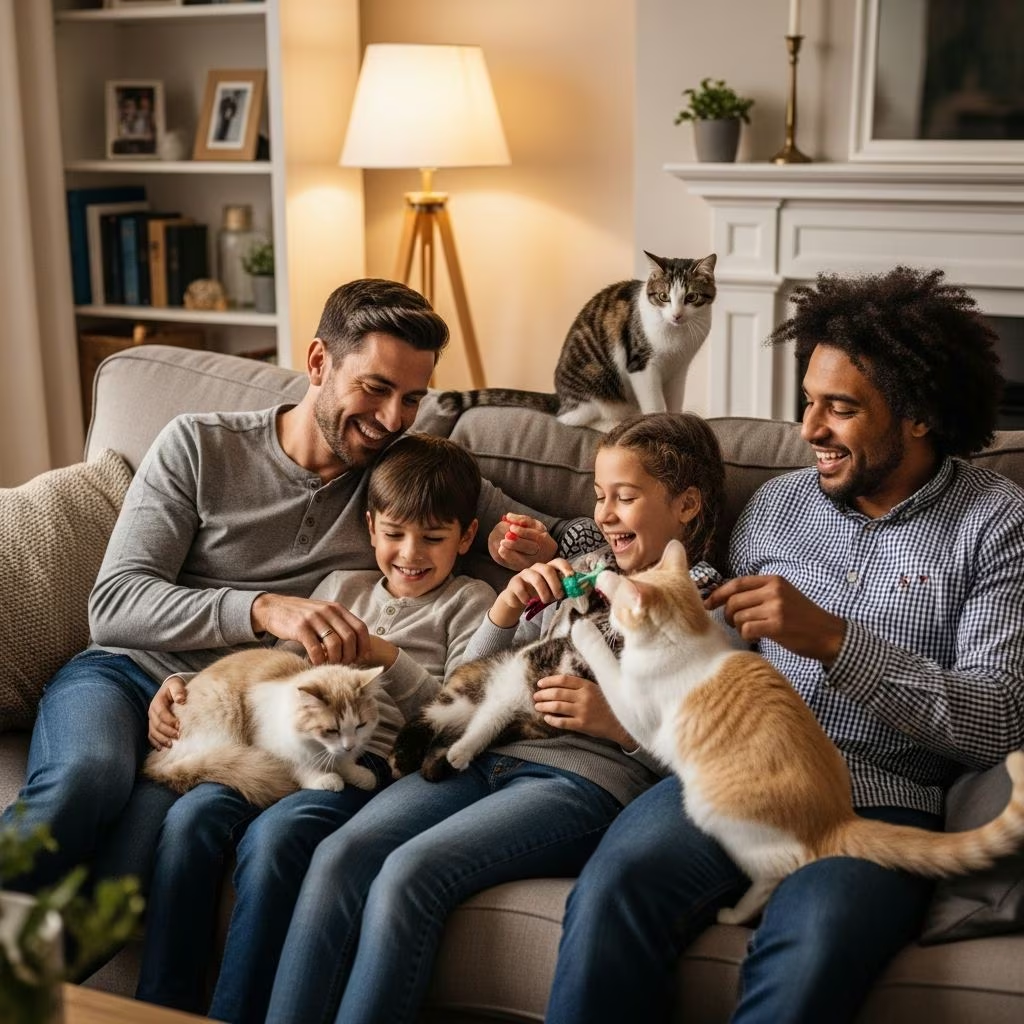
Cats possess diverse personalities that allow them to seamlessly integrate into family dynamics, ultimately drawing loved ones nearer. Whether through fostering positivity, imparting life lessons, or simply spreading joy, felines have a remarkable ability to strengthen familial ties. This article delves into the five key ways cats enhance family closeness, backed by veterinary insights and research, while addressing readiness for cat ownership.
The 5 Ways Cats Bring Families Closer Together
1. Cats Help Foster a Positive Atmosphere
Spending time with pets like cats has been shown to significantly lower cortisol levels—the body’s primary stress hormone—and reduce blood pressure, while simultaneously elevating mood through increased oxytocin release. These physiological changes benefit every family member individually, cultivating a serene, uplifting home environment collectively. Imagine a tense moment disrupted by a cat’s playful pounce or gentle nudge; such interruptions often diffuse arguments and redirect focus toward lighter interactions.
In households with children, cats encourage shared laughter over antics like chasing laser pointers or batting at dangling strings. This shared positivity not only mitigates daily stressors but also builds resilience against larger challenges. Veterinary experts note that consistent pet interactions promote emotional regulation, making family spaces feel safer and more harmonious. Families report fewer conflicts and more spontaneous moments of connection, as the cat becomes a neutral, endearing focal point.
Furthermore, cats’ low-maintenance nature—requiring less space and exercise than dogs—makes them ideal for busy families. Their independent yet affectionate demeanor ensures they enhance the atmosphere without overwhelming schedules, allowing everyone to unwind together on the couch with a purring companion.
2. Cats Are a Lesson in Responsibility
Adopting a cat introduces tangible responsibilities that engage the entire family, particularly children. Assigning age-appropriate tasks such as filling food and water bowls, participating in play sessions for exercise, grooming fur, or cleaning litter boxes instills a sense of duty from an early age. This involvement boosts children’s self-esteem, as they witness the direct impact of their actions on a living being.
- Feeding and Hydration: Daily routines teach consistency and planning.
- Playtime: Interactive sessions provide exercise for the cat while promoting physical activity among kids.
- Grooming: Brushing prevents hairballs and mats, fostering gentleness.
- Socialization: Spending quality time prevents neglect and builds empathy.
Parents play a crucial role in modeling respectful interactions, demonstrating proper petting techniques and boundary-setting. Young children, prone to boundary-testing, must never be left unsupervised to avoid accidental harm. Through these experiences, kids learn compassion, empathy, and respect for animals—skills transferable to human relationships. Studies affirm that pet caregiving enhances emotional intelligence, preparing children for greater independence.
As families collaborate on a care schedule, communication improves, turning chores into bonding opportunities. Over time, this shared commitment creates lasting pride in nurturing a family pet.
3. Cats Offer Emotional Support
During turbulent times—such as family discord, divorce, job loss, or grief—cats provide unwavering emotional anchorage. Unlike humans, they listen without judgment, interruption, or gossip, offering a safe outlet for venting frustrations. Their non-verbal comfort, through purring or curling up nearby, soothes heartache effectively.
A landmark 1986 study by Katcher and Beck, cited in The Power of Pets: How Animals Affect Family Relationships by Krista Scott Geller, found that over 70% of teenagers confide in their pets during personal crises. This is particularly vital for children navigating instability, where a cat’s predictability offers constancy amid chaos. Veterinary behaviorists emphasize cats’ intuitive sensing of distress, often increasing affection when needed most.
In multi-generational homes, cats bridge emotional gaps; seniors find solace in gentle companionship, while kids gain a confidant. This support extends to mental health benefits, reducing anxiety and depression symptoms through tactile interactions. Families often recount how their cat ‘knew’ when hugs were required, fortifying unity through collective healing.
4. Caring for a Cat Involves Everybody
Cat ownership thrives on collective effort, transforming pet care into a unifying force. Establishing a family chore chart ensures equitable participation, sparking discussions on needs assessment and role division. This communal interest enhances communication and relationship depth.
Heartwarming moments—like group play sessions or grooming marathons—forge indelible memories. Veterinary advice highlights how divided responsibilities prevent burnout, sustaining long-term harmony. For instance:
| Family Member | Role | Benefit to Bonding |
|---|---|---|
| Parents | Litter maintenance, vet visits | Models reliability |
| School-age Kids | Feeding, playtime | Builds pride and skills |
| Teens | Grooming, monitoring health | Fosters empathy |
These interactions naturally lead to storytelling about the cat’s quirks, deepening familial narratives and laughter-filled evenings.
5. Cats Bring a Lot of Joy
No matter their temperament, cats infuse households with unbridled joy. Cuddly types offer lap-warming purrs, while quirky ones deliver comedy through zoomies, box ambushes, or midnight acrobatics. These idiosyncrasies turn ordinary days extraordinary, elevating home life.
Play reinforces bonds, with vet-verified benefits including stress relief and strengthened attachments. Families cherish tales of ‘cat TV’—watching birds—or synchronized naps, creating joy reservoirs for tough times. Ultimately, cats’ ability to amuse and comfort makes them joy catalysts.
Is My Family Ready for a Cat?
While rewarding, cat ownership demands commitment. Evaluate readiness with these questions:
- Can you afford ongoing costs like food, litter, and veterinary care?
- Do you have backup for vacations, such as friends or pet sitters?
- Is daily interaction time available for play and socialization?
- Are children prepared to respect the cat through guided training?
- Will care continue if children’s enthusiasm wanes?
Affirmative answers signal readiness. Consult shelters for temperament-matched cats.
Frequently Asked Questions (FAQs)
Do cats really reduce family stress?
Yes, interactions lower cortisol and blood pressure, fostering calmer homes.
Can cats teach kids responsibility?
Absolutely; shared care builds empathy, self-esteem, and routine adherence.
Are cats good emotional support for children?
Over 70% of teens confide in pets during turmoil, providing stability.
How does cat care unite families?
Chore-sharing and fun moments enhance communication and memories.
What if my family isn’t ready for a cat?
Fostering offers benefits without permanence; assess needs first.
References
- 5 Ways Cats Bring Families Closer Together: Vet-Verified Benefits — Catster. 2023. https://www.catster.com/lifestyle/ways-cats-bring-families-closer-together/
- 11 Vet-Verified Benefits of Playing With Your Cat — Catster. 2023. https://www.catster.com/lifestyle/benefits-of-playing-with-your-cat/
- 6 Reasons to Raise Children with Pets — Friso. 2023. https://www.friso.com.sg/guides/6-reasons-raise-children-pets



