

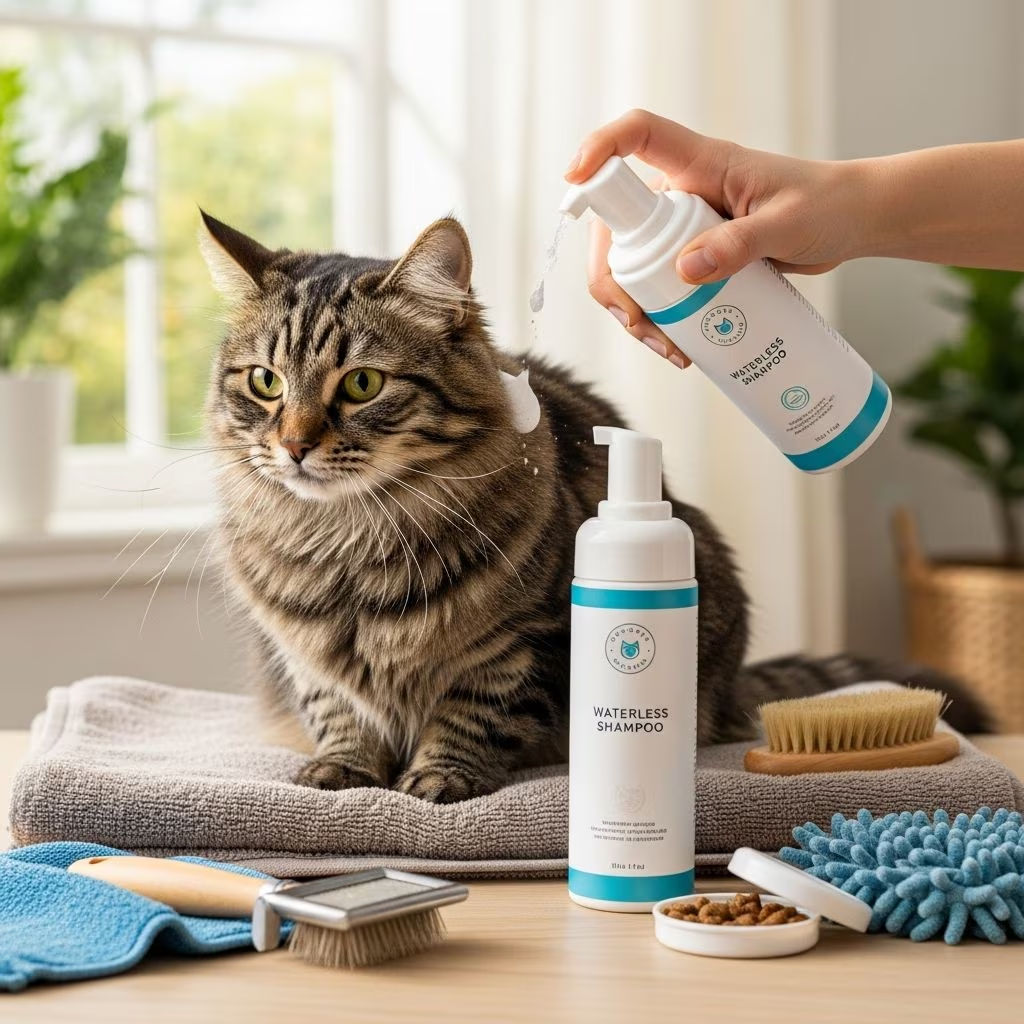
Waterless cat shampoos offer a convenient way to refresh your feline friend’s coat without the hassle of a full bath, ideal for spot cleaning stains or managing light dirt buildup. These products absorb oils and debris, providing a quick hygiene boost while minimizing stress for water-averse cats.
Understanding Waterless Shampoos for Cats
Unlike human dry shampoos that focus on volumizing greasy hair, pet-specific waterless formulas target dirt, urine, feces, or food residues on cats. They come in foams, powders, or sprays designed to work into the fur down to the skin, allowing air drying without rinsing. This makes them suitable for targeted areas like the face, paws, or rear end, especially for senior cats with reduced self-grooming ability or those on ear medications causing greasy fur.
These shampoos do not replace thorough bathing; they serve as interim solutions to tide over until professional grooming or a proper wash is feasible. Regular use on the entire coat won’t prevent matting or remove undercoat effectively, as water and blow-drying provide superior results in shedding control and coat smoothness.
Key Advantages of No-Rinse Feline Cleaners
- Speed and Convenience: Application takes minutes, skipping the drying struggle that frustrates many cats during traditional baths.
- Stress Reduction: Perfect for cats hating water, enabling gentle maintenance without trauma.
- Odor and Dander Control: Helps neutralize smells and reduce loose fur distribution in homes.
- Spot Treatment Efficacy: Excellent for messes like litter box accidents or sticky facial areas in older pets.
For long-haired breeds prone to hairballs, occasional use can strip excess shed, though it’s less effective than full washes.
Potential Drawbacks and Health Concerns
Since cats groom extensively, residues from waterless products enter their system, necessitating cat-formulated, non-toxic ingredients. Human or dog shampoos pose risks due to pH mismatches—pets need neutral pH to avoid skin drying, flaking, or infections.
| Risk | Description | Affected Cats |
|---|---|---|
| Toxicity from Ingestion | Artificial fragrances, alcohols, parabens, sulfates can disrupt hormones, cause digestive issues. | All grooming cats |
| Skin Irritation | Strips natural oils, leading to dryness, redness, itching, increased shedding. | Cats with sensitive skin |
| Respiratory Issues | Aerosol sprays or powders inhalable, triggering sneezing or worsening asthma. | Kittens, seniors, asthmatics |
| Temporary Results | Masks dirt without deep cleaning; no undercoat removal. | Matted or heavily soiled coats |
Avoid on kittens under 6 months, pregnant, or nursing queens unless specified safe, as testing may be limited. Dish soaps, while grease-cutting, over-strip oils, heightening infection risks.
How to Safely Apply Dry Cat Cleansers
- Choose Wisely: Select vet-approved, cat-specific products free of harsh chemicals; check labels for natural ingredients.
- Prepare Your Cat: Calm them in a quiet space; use treats for positive association.
- Apply Sparingly: Pump foam into your hand (avoid direct spraying), massage into affected areas down to skin.
- Work It In: Use a soft towel or brush to lift dirt; let air dry fully before grooming resumes.
- Monitor Response: Watch for irritation; discontinue if licking excessively or showing discomfort.
For best outcomes, limit to small areas and follow with brushing to distribute oils evenly.
Comparing Waterless vs. Traditional Cat Bathing
| Aspect | Waterless Shampoo | Full Bath |
|---|---|---|
| Cleaning Depth | Surface-level, spot-focused | Deep clean, undercoat removal |
| Time Required | 5-10 minutes | 30+ minutes including drying |
| Stress Level | Low | High for water-haters |
| Shedding Control | Minimal | Significant with blow-dry |
| Frequency | Occasional touch-ups | Every 4-6 weeks |
Visual comparisons show bathed sides softer and cleaner than dry-shampooed ones, highlighting limitations for whole-body use.
Ideal Scenarios for Using No-Water Feline Washes
- Post-litter accidents with urine/feces stains.
- Cleaning greasy spots from medications.
- Food debris around seniors’ mouths.
- Light dander in allergy-prone homes.
- Travel or post-op quick refreshes.
Beyond these, professional grooming with real soap excels for matting, heavy shedding, or odors.
Product Selection Tips and Alternatives
Opt for foams over sprays to minimize inhalation; seek transparent ingredient lists avoiding sulfates, parabens, alcohols. Natural powders with catnip can calm while absorbing oils safely. Alternatives include grooming wipes for faces or full baths with pH-balanced pet shampoos.
Steer clear of human products: their acidic pH irritates pet skin, fragrances trigger allergies, and sulfates dry excessively.
Frequently Asked Questions
Is waterless shampoo safe for all cats?
Generally yes if cat-specific, but avoid for young kittens, pregnant cats, or those with sensitivities unless labeled safe.
How often can I use dry shampoo on my cat?
Sporadically for spots; not as a daily or full-coat routine to prevent buildup.
Can it replace regular bathing?
No, it’s supplemental; full baths better control shedding and deep clean.
What if my cat licks it off immediately?
Choose ingestible-safe formulas; excessive licking signals irritation—stop use.
Does it help with hairballs?
Indirectly by reducing loose fur, but bathing and brushing are superior.
Enhancing Your Cat’s Grooming Routine
Combine waterless options with daily brushing using feline-specific tools to stimulate skin and remove loose hair. Diet rich in omega-3s supports coat health, reducing need for frequent cleans. Regular vet check-ups catch issues like overproduction of oils early.
For multi-cat homes, waterless aids hygiene amid territorial marking. Long-haired breeds like Persians benefit from spot treatments between grooms.
In summary, waterless cat shampoos shine for convenience in targeted cleaning but demand careful selection to sidestep risks. Balance with professional care for thriving feline companions.
References
- Dry Shampoos for cats: Should you bother? — The Charleston Cat Groomer. 2021-05-25. https://thecharlestoncatgroomer.wordpress.com/2021/05/25/dry-shampoos-for-cats-should-you-bother/
- What Is Waterless Cat Shampoo? — La Belle Paw. N/A. https://www.labellepaw.com.au/blogs/news/what-is-waterless-cat-shampoo
- Is Waterless Shampoo Safe for Cats? Vet-Approved Benefits & Tips — Catster. N/A. https://www.catster.com/cat-health-care/is-waterless-shampoo-safe-for-cats/
- Shampoo For Your Pet – Which to Use and NOT Use — Preventive Vet. N/A. https://www.preventivevet.com/pets/dog-and-cat-shampoo-which-to-use



